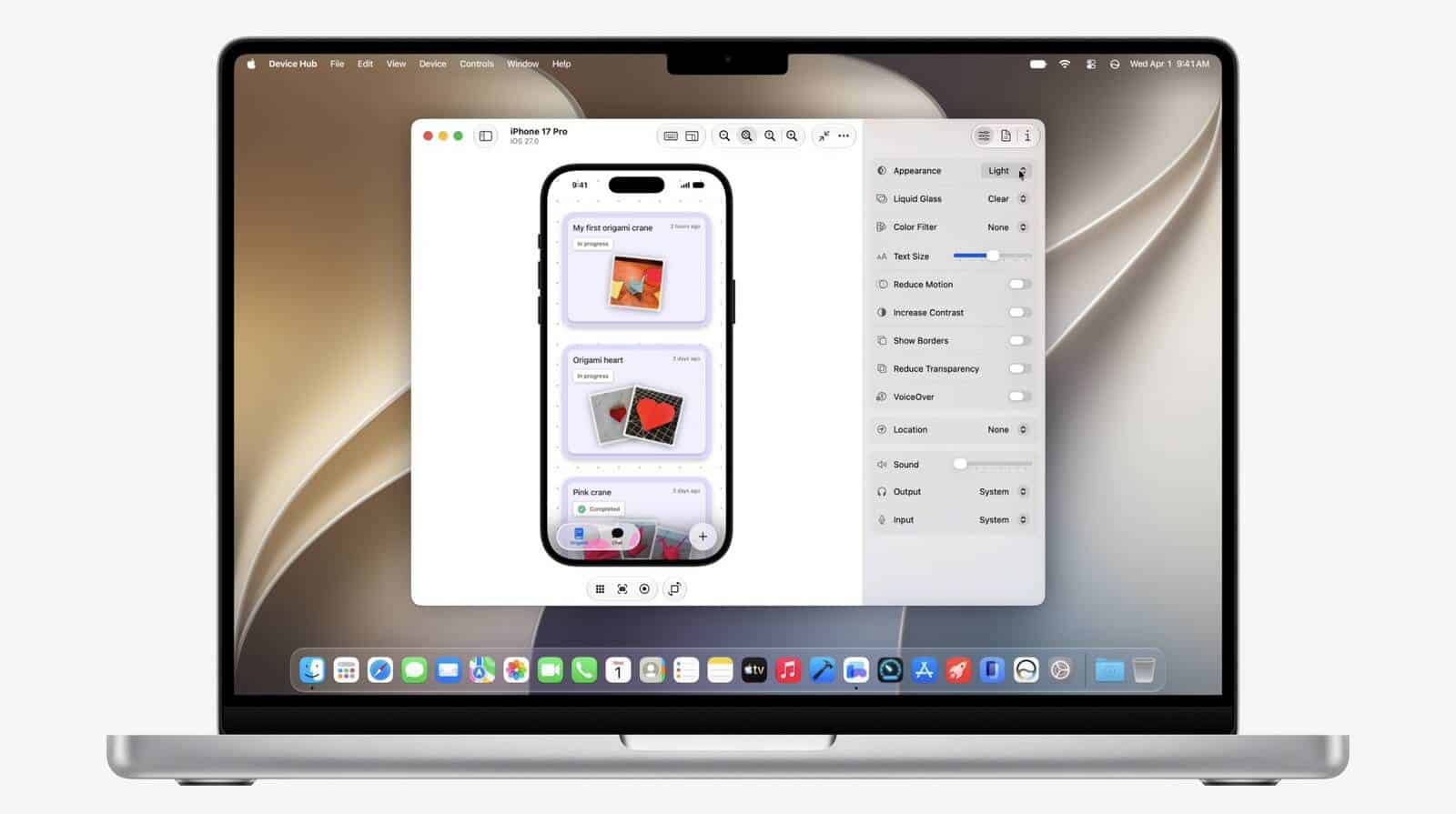
Apple has introduced a new suite of agentic coding features in Xcode 26.3, enabling developers to integrate external artificial intelligence models directly into their development workflow. By leveraging the Model Context Protocol, the latest version of Apple’s integrated development environment allows coding agents—such as Anthropic’s Claude Agent and OpenAI’s Codex—to assist in building projects, running tests, and navigating complex software documentation, according to official documentation from Apple.
This update marks a significant shift in how developers interact with their environments, moving from manual coding to a collaborative model where AI agents can perform multi-step tasks. As an engineer, I see this as a practical evolution; rather than simply suggesting code snippets, these agents can now parse project structures and utilize Apple’s own documentation to generate solutions that align with the latest APIs, as detailed by the Apple Developer portal.
How Agentic Coding Operates in Xcode 26.3
The core of this new functionality is the Model Context Protocol, which bridges the gap between Xcode and external intelligence tools. When a developer selects a coding agent, the system provides that agent with the necessary context to understand the specific requirements of a project. For instance, a developer can prompt the agent to implement a feature—such as integrating weather data via WeatherKit—and the agent will break the request into smaller, manageable steps.
The agentic process involves several automated actions:
- Project Analysis: The agent scans the current file structure to identify where modifications are required.
- Documentation Integration: Xcode’s documentation tool provides the agent with relevant code snippets and samples, ensuring that the generated code is current.
- Task Execution: Beyond writing code, agents can assist in project compilation and the execution of test suites to verify functionality.
This integration is designed to be user-friendly, requiring only a configuration of the user’s account—such as an Anthropic account—to begin using tools like the Claude Agent within the IDE, according to the Xcode 26.3 demonstration.
Expanding the Developer Ecosystem
The introduction of these tools is part of a broader push by Apple to enhance the developer experience through intelligent automation. Beyond the agentic coding features, Apple continues to emphasize the importance of security and performance. For example, developers are encouraged to utilize “Instruments” to profile model usage within their apps, which helps in optimizing token consumption and improving overall response times, as noted in the February 2026 developer updates.
Apple has also scheduled a series of activities to help developers adapt to these new capabilities. These include:
- SwiftUI Sessions: Foundational training on building apps with SwiftUI, starting February 10, 2026.
- Security Workshops: A session on March 5, 2026, focused on strengthening app security and protecting user data.
- Design Updates: Ongoing guidance throughout February and March regarding the new “Liquid Glass” design language.
These resources are part of the company’s effort to ensure that as coding intelligence becomes more prevalent, developers remain equipped with the best practices for building robust and secure software.
What Developers Should Expect Next
As the ecosystem evolves, Apple has set specific milestones for developers using the App Store Connect platform. Starting April 28, 2026, all new apps and game uploads must comply with updated minimum requirements, according to official Apple developer communications. Developers are encouraged to review these standards to ensure their projects remain eligible for distribution.
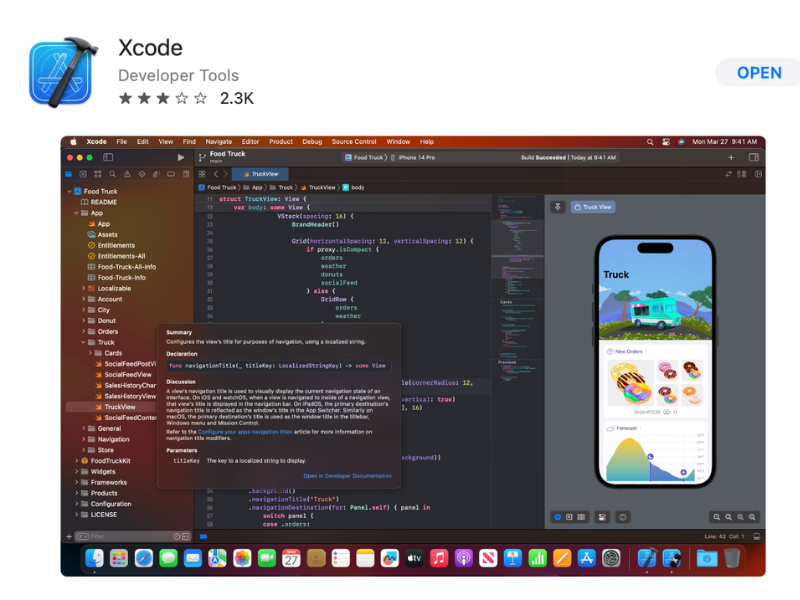
For those interested in exploring these tools, Apple provides ongoing “code-along” activities that offer hands-on experience with the latest coding assistant tools. These sessions focus on practical skills, including fixing codebases and managing automated testing workflows. We will continue to monitor updates to Xcode and the broader Apple Intelligence framework as they develop throughout the year. If you have questions about integrating these agents into your own projects, feel free to share your thoughts in the comments below.
- Polytron Audivo PHS 5B Launched: 100W Studio-Grade Desktop Speaker for Content Creators
- Alternative Blockchain Architecture Enables Parallel Transactions
- France 24 Report: Latest Updates from Luke Shrago (world-today-news.com)
- Apple TV’s Neuromancer Series: First Look and Trailer Revealed (newsdirectory3.com)