
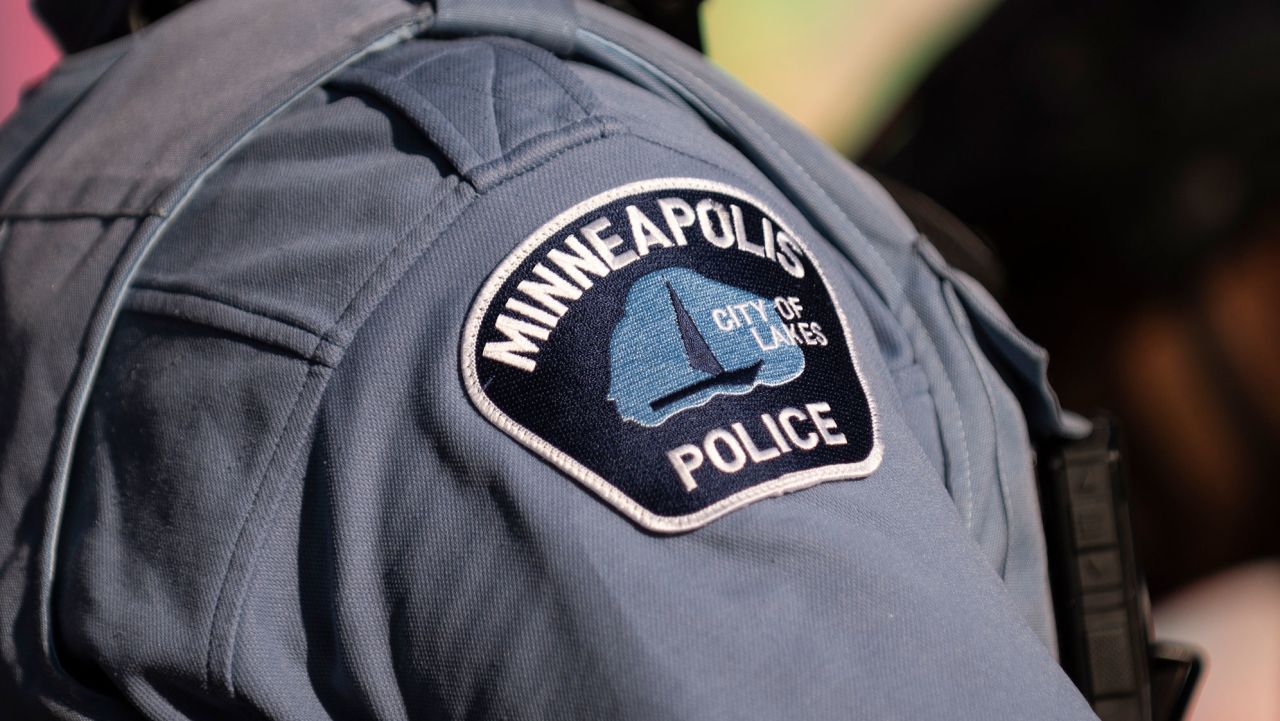
Allegations involving a draft lawsuit against a former Minneapolis police chief have surfaced, prompting a formal pushback from city officials. While the document has reportedly been received by city attorneys, it has not been filed in court, leaving the veracity of the claims unconfirmed as the city maintains the allegations are untruthful.
The situation centers on a series of claims contained within a draft legal document that has reached the Minneapolis legal department but has not yet entered the public court record. As city leadership moves to discredit the assertions, the development adds a new layer of complexity to the ongoing efforts to reform the Minneapolis Police Department (MPD) and restore public trust in municipal governance.
The Unfiled Allegations: Understanding the Current Dispute
The core of the current controversy involves a draft lawsuit that, according to reports, has been delivered to city attorneys but has not been officially filed in a court of law. This distinction is critical in a legal context: a draft document lacks the formal status of a filed complaint and does not yet trigger the standard discovery processes or public judicial scrutiny that follow an official filing.
The document reportedly contains numerous allegations directed at the former police chief of Minneapolis. While the specific details of these allegations have not been fully disclosed in a public filing, the nature of the claims appears to target the leadership and decision-making processes during the former chief’s tenure. Because the lawsuit remains in a “draft” state, the claims currently exist as unverified assertions rather than adjudicated facts.
In municipal law, the receipt of a draft lawsuit often serves as a precursor to formal litigation, allowing city legal teams to prepare defenses or engage in settlement discussions before a case becomes public. However, the presence of such a document also creates significant political and administrative tension, particularly when the allegations involve high-ranking officials responsible for public safety.
City Response and the Legal Status of the Claims
Minneapolis city officials have responded to the emergence of these allegations with immediate skepticism. Representatives for the city have pushed back on the truthfulness of the claims, characterizing them as inaccurate. This defensive posture is a standard component of municipal risk management, as city attorneys work to mitigate potential liability and protect the reputation of the department.
The city’s response highlights a fundamental conflict between internal whistleblowers and administrative leadership. When city officials categorize allegations as untruthful before a case reaches court, it often signals a high-stakes dispute over the internal culture and the validity of the reporting mechanisms within the police department. For the public and for municipal stakeholders, this creates a period of uncertainty: is the pushback a legitimate defense against unfounded claims, or is it an attempt to suppress internal scrutiny?
Because the lawsuit has not been filed, there is currently no legal mechanism forcing the disclosure of the full text of the allegations. This lack of transparency can exacerbate public distrust, especially in a city that has undergone intensive scrutiny regarding law enforcement conduct over the last several years.
The Broader Context of Minneapolis Police Oversight
To understand why these allegations are so significant, one must look at the historical and legal landscape of the Minneapolis Police Department. The MPD is currently operating under intense external oversight, a direct result of systemic issues identified by federal investigators. Following a series of high-profile incidents, the U.S. Department of Justice (DOJ) conducted an extensive investigation into the department.
The DOJ’s findings, released in 2023, detailed a “pattern or practice” of unconstitutional policing, including issues with use of force, discriminatory policing, and inadequate training. This investigation has set the stage for a federal consent decree—a court-enforceable agreement intended to mandate specific reforms within the department. Any allegations of misconduct or leadership failures, whether involving former or current chiefs, are viewed through the lens of this ongoing federal oversight.
The emergence of whistleblower allegations, even in a draft capacity, intersects directly with the requirements of the consent decree. A central pillar of the DOJ’s reform mandate is the establishment of robust, transparent, and effective internal accountability systems. If whistleblowers are alleging that leadership has circumvented these systems, it could potentially impact the city’s ability to meet its federal obligations and could invite further intervention from federal monitors.
Legal Protections for Law Enforcement Whistleblowers
The ability of individuals within the Minneapolis Police Department to bring such allegations forward is governed by specific state and local protections. In Minnesota, the Minnesota Whistleblower Act provides a framework intended to protect employees from retaliation when they report violations of law or significant threats to public health and safety.
For law enforcement officers, however, the path to whistleblowing is often fraught with professional and personal risks. The “blue wall of silence”—a term used to describe the cultural tendency among officers to protect one another from scrutiny—has long been cited by civil rights advocates as a barrier to accountability. When a whistleblower moves to file a lawsuit, they are often challenging not just specific individuals, but the very culture of the institution they serve.
Legal experts note that the distinction between a “protected disclosure” and “unfounded allegation” is often decided in the granular details of the evidence provided. If the draft lawsuit contains documented evidence of misconduct or retaliation, the whistleblower may have strong protections under state law. Conversely, if the claims are found to be baseless, the individuals making them may face significant professional repercussions and legal challenges from the city.
Key Takeaways regarding the MPD Allegations
- Unverified Status: The allegations are contained in a draft lawsuit that has been received by city attorneys but has not been formally filed in court.
- City Rebuttal: Minneapolis city officials have explicitly disputed the truthfulness of the claims.
- Federal Oversight: The allegations arrive amidst the MPD’s ongoing reform process under the supervision of the U.S. Department of Justice.
- Legal Context: The outcome of such disputes often hinges on Minnesota’s whistleblower protection laws and the department’s ability to demonstrate internal accountability.
As this situation develops, the primary checkpoint will be whether the parties involved move to formally file the lawsuit in court. A formal filing would move these allegations from the realm of unverified reports into a public legal proceeding, necessitating a detailed response from both the former chief and the City of Minneapolis. Until then, the city’s legal department remains the primary gatekeeper of the information contained within the document.
We will continue to monitor court filings and official statements from the Minneapolis City Attorney’s office. Please share your thoughts on the importance of police accountability in the comments below.
Related reading
- Scotland’s tax hike may have backfired as receipt falls
- Joan Barniol, operador de parkings: “Hemos levantado 13 parkings y facturado más de 1,5 millones en el último año. La inteligencia artificial nos permite tener 0 empleados” – Mundo Deportivo
- Apple Faces Lawsuit Over Fraudulent App Financial Losses (newsdirectory3.com)