
Apple Inc. is moving toward a leadership transition that places a greater emphasis on the company’s industrial design roots, with Senior Vice President of Hardware Engineering John Ternus preparing for a broader role in the firm’s creative processes. As part of a long-term succession plan, the Cupertino-based tech giant has confirmed that CEO Tim Cook will transition to the role of executive chairman on September 1, 2026, with Ternus set to assume the position of Chief Executive Officer. The board of directors approved this transition unanimously, following an announcement made by the company on April 20, 2026.
Industry observers note that the appointment of Ternus—who has overseen hardware engineering for several years—represents a deliberate shift in how Apple intends to balance its technical roadmap with its historical focus on aesthetic and industrial design. According to reports, Ternus has already begun increasing his engagement with the company’s internal design teams to ensure that the hardware-software integration, which has defined Apple’s product line for decades, remains a central pillar of his future tenure as CEO.
The Evolution of Apple’s Leadership Structure
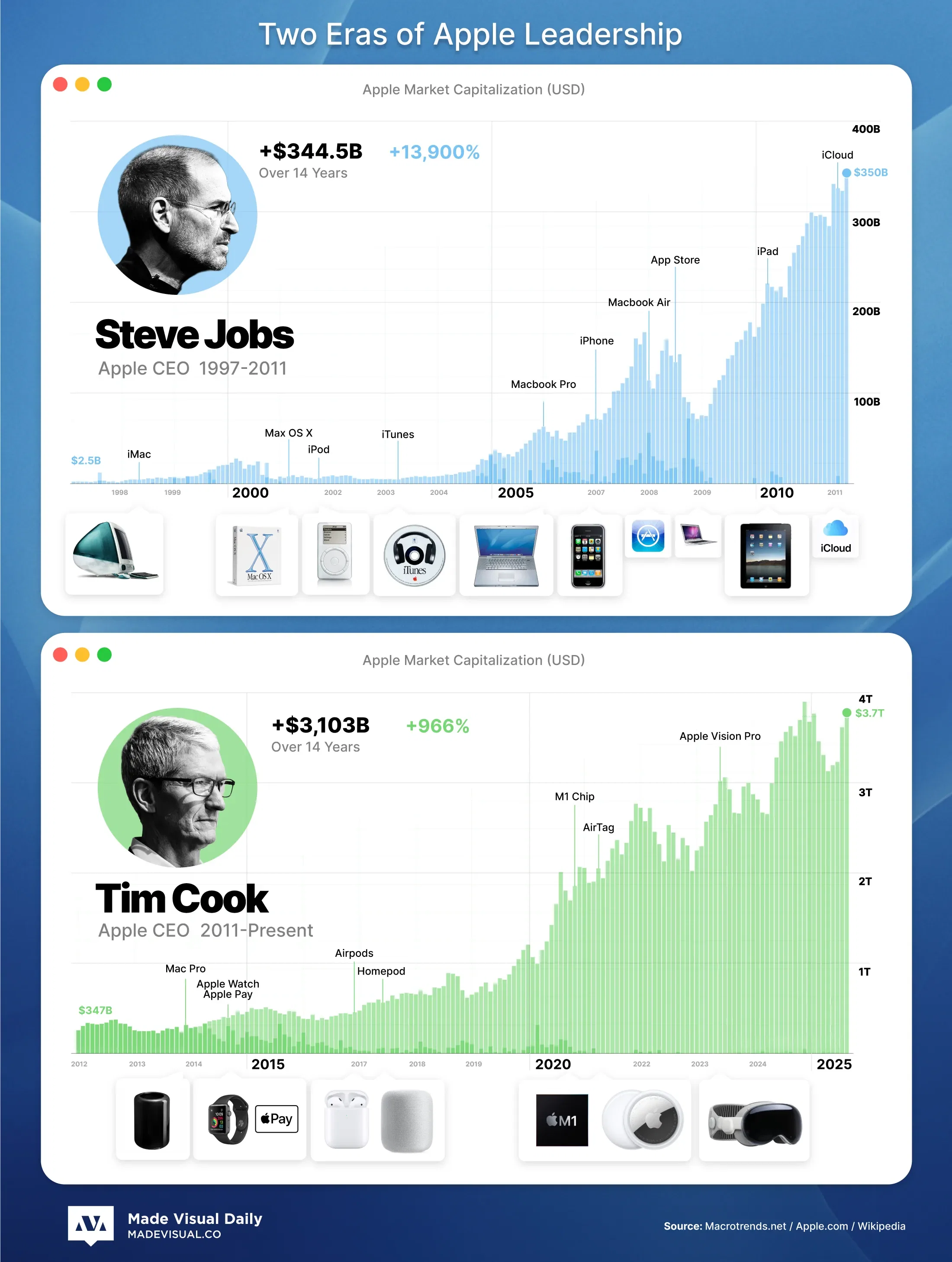
The upcoming leadership change marks the end of a long-term succession planning process overseen by the board of directors. Tim Cook, who succeeded Steve Jobs in 2011, has led the company through a period of significant growth, including the expansion of the Services business and the introduction of new product categories such as the Apple Watch and Vision Pro. Under the transition plan, Cook will remain at the company as executive chairman, a move designed to provide continuity and institutional support for the incoming CEO.

John Ternus, who joined Apple in 2001 and has held various leadership roles within the hardware division, is widely viewed by analysts as a “product-first” executive. His increased proximity to the industrial design group suggests that the company is looking to reinforce its commitment to physical product excellence as it faces intense global competition in the smartphone and wearable markets. For further details on the company’s corporate governance and official announcements, stakeholders can monitor the Apple Newsroom for ongoing updates.
Design Influence and the Future Product Roadmap
The integration of design and engineering has been a hallmark of Apple’s philosophy since its inception. By involving Ternus more deeply in the design process well ahead of his official 2026 start date, the company appears to be mitigating the risks associated with executive turnover. This strategy is intended to ensure that the specific design language and user experience standards established during the Cook era are preserved as the company navigates new technological frontiers, such as generative AI and spatial computing.
While the transition is not scheduled to take effect until September 2026, the organizational alignment is already underway. This shift is particularly significant because it places the person responsible for the company’s bottom-line hardware performance in direct conversation with the designers responsible for the brand’s identity. This collaborative approach is intended to streamline the development cycle, reducing the friction that can sometimes occur between engineering feasibility and high-concept design goals.
What the Transition Means for Stakeholders
For investors and consumers alike, the transition represents a stable handover rather than a radical change in strategy. Apple’s board has emphasized that the succession process was long-term and unanimous, signaling confidence in the current leadership’s ability to manage the transition without disrupting operations. The move to keep Cook as executive chairman provides a safety net, allowing for a phased transfer of authority that is atypical in the high-stakes world of Silicon Valley CEO successions.
The primary question for analysts remains how Ternus will handle the company’s increasing reliance on artificial intelligence and software-defined features. Because Ternus has spent his career in hardware, his focus on the intersection of physical design and software performance is expected to define the next generation of Apple devices. Official filings and investor disclosures, which can be accessed via the Apple Investor Relations portal, will provide further clarity on the company’s long-term financial and operational strategies as the September 2026 date approaches.
Looking Toward September 2026
As the company prepares for the September 1, 2026, handover, the focus will remain on the execution of existing product pipelines. The leadership team is expected to continue providing updates during quarterly earnings calls, where shareholders can expect to hear more about the operational shifts occurring within the hardware and design departments. There are no further major leadership changes announced at this time, and the company maintains its current operational cadence.

We will continue to track developments regarding this transition as more information becomes available. If you have insights or questions regarding the future of Apple’s leadership, please feel free to share your thoughts in the comments section below.