
For many foreign nationals building a life in Sweden, the path to citizenship has long been viewed as a milestone of integration and commitment. However, as the calendar approaches June 6, 2026, a sense of uncertainty has taken hold among those currently navigating the naturalization process. New legislative mandates are set to reshape the criteria for Swedish citizenship, leaving many applicants concerned about how these sudden shifts will impact their future in the country.
The Swedish Parliament has finalized a series of reforms that will fundamentally alter the requirements for those seeking to become citizens. According to official guidance from the Swedish Migration Agency, these changes are not merely administrative. they represent a significant tightening of the standards for residency, self-sufficiency, and societal integration. For applicants who have already submitted their paperwork, the transition presents a challenging reality: cases that remain undecided by the June deadline will be evaluated under the new, more stringent legal framework.
The Shift in Residency and Integration Requirements
The most prominent change involves the period of habitual residence. Under the current system, the requirement is generally five years of residency. Starting June 6, 2026, this threshold will increase to eight years for adult applicants, according to the Swedish Migration Agency. This extension effectively lengthens the wait time for thousands of individuals who had been planning their applications based on the previous five-year rule.
Beyond the duration of stay, the government is placing a stronger emphasis on “living an orderly life” and the ability to support oneself financially. These criteria, while often part of immigration discourse, are being codified with increased weight in the citizenship assessment process. Applicants will face new requirements regarding their knowledge of the Swedish language and Swedish society. While the Swedish language remains central to national identity—as noted in the linguistic records maintained by the Swedish Language Council—the formalization of these knowledge requirements as a prerequisite for citizenship marks a pivot toward a more structured integration policy.
No Transitional Arrangements for Pending Cases
Perhaps the most contentious aspect of the upcoming reform is the lack of transitional arrangements. The Swedish Migration Agency has confirmed that all applications, including those submitted prior to June 6, 2026, will be subject to the new rules if a decision has not been reached by that date. In other words that individuals who believed they met the criteria at the time of their submission may find themselves falling short of the new, higher standards once the law takes effect.
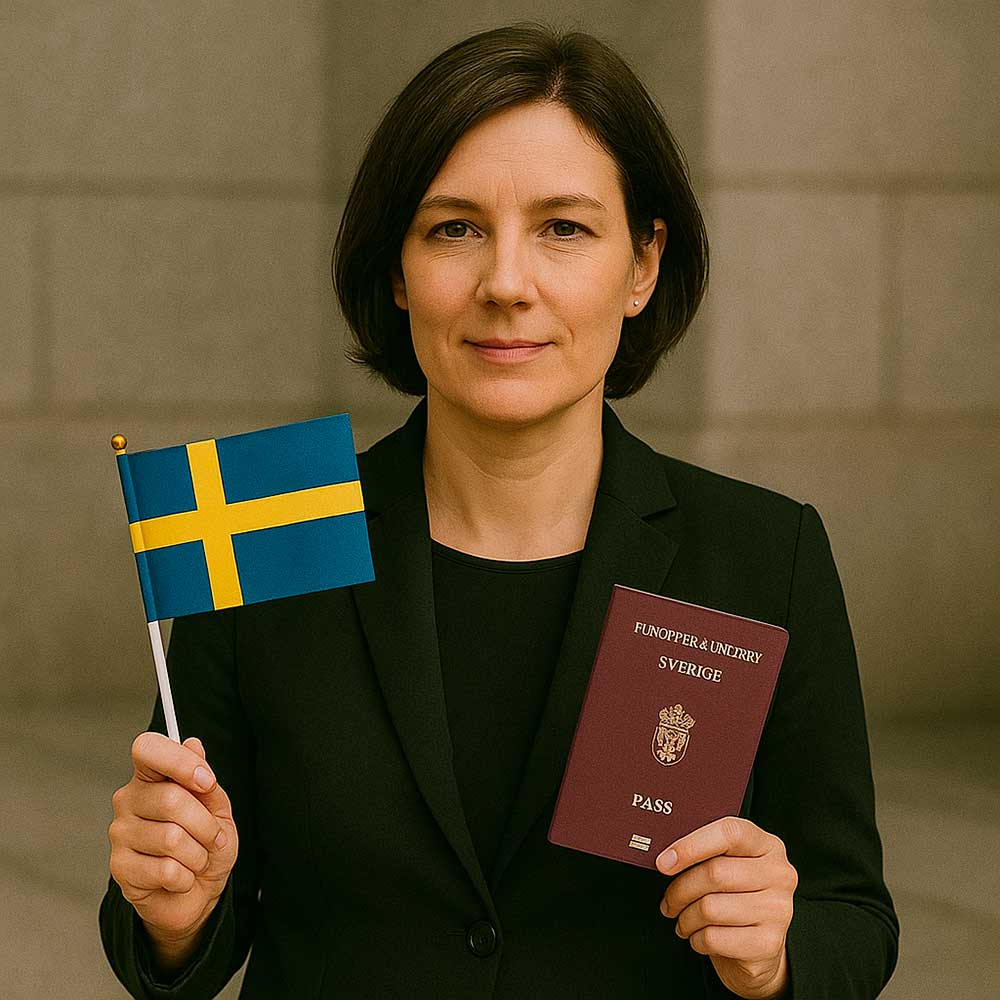
For many, this creates a period of intense anxiety. Applicants who have spent years working, paying taxes, and contributing to the local economy are now facing the prospect of having their applications reassessed against a set of rules that did not exist when they first applied. This “application of the new rule” to pending cases is a significant departure from typical legislative rollouts, where grandfather clauses often protect those already in the pipeline.
Impact on Families and Future Notifications
The changes extend beyond the standard application process for adults. New regulations will also affect how citizenship notifications are filed and how children interact with the system. Specifically, the government has mandated that children must now submit their own applications for Swedish citizenship, assisted by a legal guardian. This change, effective June 6, 2026, is designed to bring more clarity to the status of minors, but it adds another layer of procedural complexity for families navigating the system.
the reforms address the status of individuals who may have previously lost their Swedish citizenship, providing a pathway for them to regain it. While this serves as a positive development for those affected by prior legal technicalities, it exists alongside the stricter requirements for new applicants, highlighting the dual nature of the government’s legislative goals: tightening access for new citizens while potentially streamlining processes for those with historical ties to the nation.
Navigating the Process Moving Forward
As the deadline approaches, the Swedish Migration Agency continues to emphasize the necessity of proving one’s identity through valid documentation and, in many cases, in-person verification. For those currently waiting for a decision, the coming weeks are likely to be characterized by heightened scrutiny of the agency’s official communications.

The official word from the authorities is that all assessments after June 6, 2026, will strictly follow the updated statutes. Applicants are encouraged to monitor the official portal of the Swedish Migration Agency for any further guidance on how these changes will be implemented in practice. With no transitional grace period, the reality for many is that their citizenship journey is about to become significantly more demanding.
The next major checkpoint in this process is June 6, 2026, when the new rules officially enter into force. We will continue to monitor the impact of these changes on residents and provide updates as the situation evolves. We invite our readers to share their perspectives and experiences in the comments section below.