
The global fashion landscape turned its focus to South Korea as the luxury sector continues to solidify its presence in one of the world’s most dynamic cultural capitals. The Chanel Métiers d’art collection serves as a cornerstone of the fashion house’s commitment to artisanal excellence, showcasing the intricate handiwork of the specialized workshops—or métiers d’art—that have partnered with the brand for decades. As the brand continues to bridge the gap between traditional French craftsmanship and modern global style, these showcases remain a focal point for industry leaders and enthusiasts alike.
For those tracking the evolution of luxury retail and high-fashion presentation, the CHANEL Métiers d’art 2026 show in Seoul highlights the strategic importance of the Asian market. The event, which drew significant attention from the fashion press and digital audiences, underscores how legacy houses are adapting to the digital-first expectations of today’s consumers while maintaining the exclusivity that defines the brand’s identity. With the integration of digital media, the brand ensures that the artistry behind each garment is accessible to a wider, global audience.
The Intersection of Heritage and Modernity
At the heart of the Métiers d’art collection is a dedication to the preservation of rare skills. From the delicate embroidery of Maison Lesage to the intricate featherwork of Maison Lemarié, these collections are designed to celebrate the artisans who work behind the scenes. By presenting these collections in global hubs like Seoul, Chanel effectively highlights the dialogue between Parisian heritage and the vibrant, trend-setting aesthetic of South Korea.
The decision to host such high-profile events in cities that serve as cultural bellwethers is a calculated move observed across the luxury sector. According to The Business of Fashion, luxury houses have increasingly prioritized physical activations in East Asia to engage a younger, digitally savvy demographic that values both brand history and local cultural resonance. This approach allows the brand to curate an immersive experience that transcends the traditional runway format, inviting audiences into the creative process through high-production digital content.
Digital Engagement and Global Reach
The digital footprint of the Seoul showcase was a masterclass in modern luxury marketing. By leveraging social media platforms and high-definition video content, the brand allowed viewers worldwide to experience the atmosphere of the show in real-time. This strategy is essential in an era where the “see-now, buy-now” mentality often clashes with the slow-fashion ethos of haute couture and Métiers d’art collections. By providing a virtual lens into the event, the brand maintains its prestige while fostering a sense of inclusion among its global community.
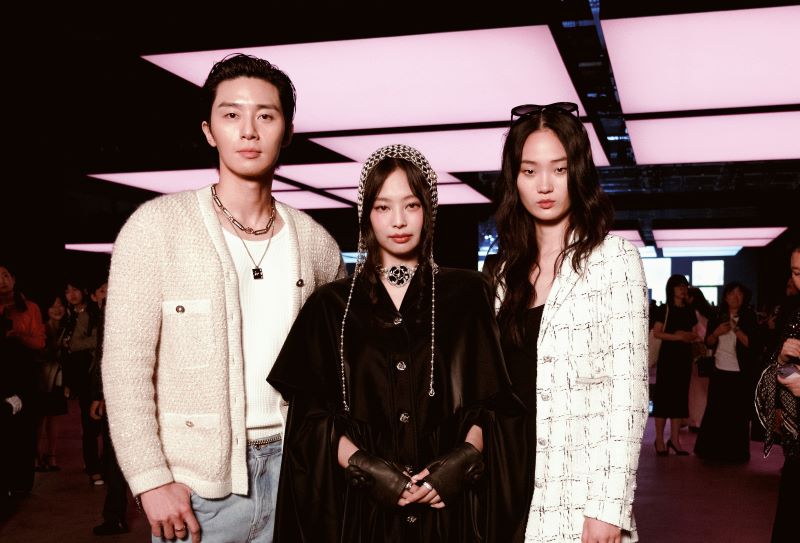
Industry analysts note that the rise of digital-first storytelling has fundamentally changed how consumers interact with luxury brands. As reported by Vogue Business, the success of these international showcases often hinges on the ability to translate the physical experience of a runway show into a compelling digital narrative. The Seoul event, characterized by its meticulous attention to detail and star-studded guest list, successfully navigated this transition, generating significant engagement across digital channels.
Understanding the Métiers d’art Philosophy
Many readers often ask what distinguishes the Métiers d’art collection from the brand’s standard seasonal offerings. Unlike ready-to-wear shows, these collections are specifically produced to spotlight the “specialized ateliers” that Chanel has acquired over the years. This preservation of craft is not merely a marketing tactic but a structural necessity for the survival of traditional French fashion techniques. The collection serves as an annual reminder that at the core of the brand’s multi-billion dollar valuation lies the work of individual artisans.
For fashion historians and enthusiasts, the Seoul show represented a synthesis of this historic preservation and contemporary fashion direction. The collection featured silhouettes that balanced the brand’s iconic tweed textures with the avant-garde sensibilities popular in Seoul’s street style scene. This fusion is reflective of the house’s broader artistic direction under its current leadership, which continues to honor Gabrielle Chanel’s original vision while pushing the boundaries of material innovation.
Looking Ahead: The Future of Luxury Showcases
As we look toward the remainder of the 2026 fashion calendar, the industry remains focused on the sustainability of these grand, international events. The environmental impact of global travel for fashion shows has become a topic of increasing debate within the industry. Future developments will likely involve a greater emphasis on localized, smaller-scale events or carbon-neutral initiatives to align with global sustainability targets. The World Trade Organization continues to monitor the economic shifts within the luxury goods sector, noting that the resilience of high-end fashion remains tied to its ability to innovate in the face of changing consumer values and global economic conditions.
The next major checkpoint for the industry will be the upcoming Paris Fashion Week, where the brand is expected to present its next seasonal collection. For those interested in the ongoing developments of this story, we encourage you to follow official updates from the brand’s verified channels. We welcome your thoughts on the evolution of international fashion shows—do you prefer the traditional runway experience or the digital-first approach? Share your insights in the comments section below.