
In a landmark moment for international space exploration, Artemis II astronauts safely splash down off the coast of San Diego, marking the successful conclusion of a historic mission to the Moon. The return of the record-setting crew represents a pivotal step in NASA’s broader objective to establish a sustainable human presence on the lunar surface.
The recovery operation was highlighted by the arrival of the USS John Murtha, which delivered the Artemis II capsule to San Diego in what officials described as a joyous occasion for both the U.S. Navy and NASA. The splashdown, which occurred after the crew prepared for their final descent near the California coast, was closely monitored by ground teams and a captivated public and space agencies.
As Chief Editor of Business at World Today Journal, I have tracked the economic and strategic implications of the new space race for nearly two decades. The successful return of the Artemis II crew is not merely a scientific achievement; it is a validation of the complex logistical and industrial frameworks required to sustain deep-space transit.
Recovery Operations and the San Diego Welcome
The atmosphere in San Diego was one of celebration as thousands of spectators gathered to witness the aftermath of the historic event. Many citizens, including children and adults, congregated at the San Diego Air & Space Museum to celebrate the splashdown, reflecting the enduring global fascination with lunar exploration.
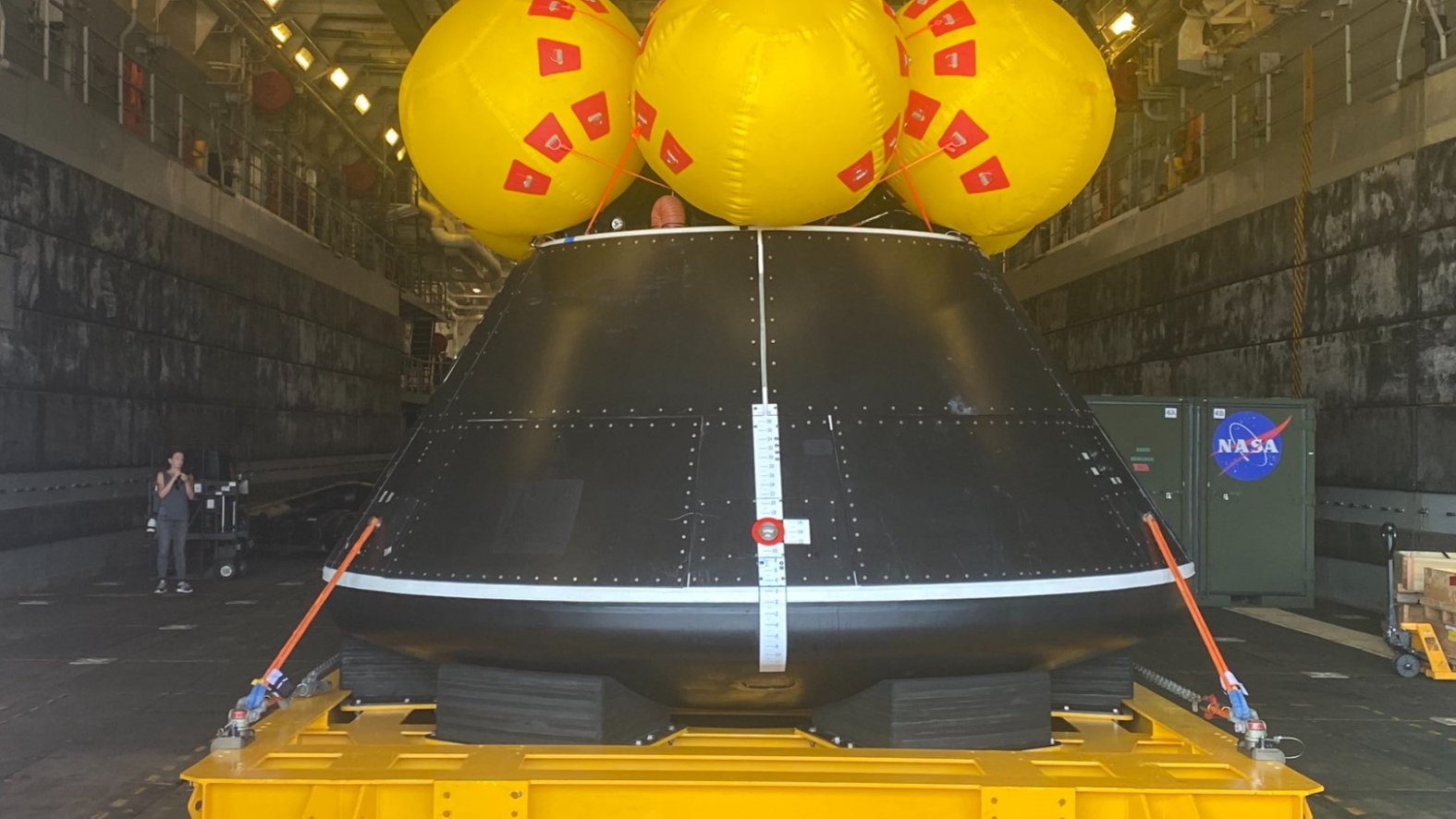
The recovery process was a coordinated effort between NASA and the U.S. Navy. The USS John Murtha played a critical role in securing the capsule and transporting the crew and their vessel back to shore. The event drew diverse crowds, with some observers watching the splashdown from Hornblower cruises, underscoring the public’s eagerness to participate in this milestone.
A Record-Setting Mission
NASA has officially welcomed back the “record-setting Artemis II Moonfarers,” noting the mission’s significance in the timeline of human spaceflight. Even as the crew’s primary objective was the safe navigation of the lunar trajectory and return, the mission also provided invaluable data and imagery.
Among the most striking outputs of the mission are the breathtaking photographs of Earth captured by the crew. These images, which have been compared to the iconic views from Apollo 8, offer a renewed perspective on our home planet from the vantage point of lunar orbit and the Artemis II mission.
Key Mission Highlights
- Recovery Vessel: USS John Murtha.
- Splashdown Location: Off the coast of San Diego, California.
- Public Celebration: Major gatherings at the San Diego Air & Space Museum.
- Visual Legacy: High-resolution photography of Earth from lunar distance.
The safe return of the Artemis II astronauts ensures that the path remains open for subsequent missions, including those intended to land humans on the Moon once again. The precision of the splashdown and the efficiency of the recovery operation demonstrate the maturity of current reentry and recovery protocols.
With the crew now safely back on Earth, NASA will begin the process of analyzing the mission data and the condition of the capsule. This post-flight analysis is essential for refining the safety and performance parameters for the upcoming Artemis landings.
We appear forward to the official NASA debriefing and the release of the full mission data set as the next confirmed checkpoints in this journey. Please share your thoughts on this historic achievement in the comments below and share this story with your network.
Worth a look