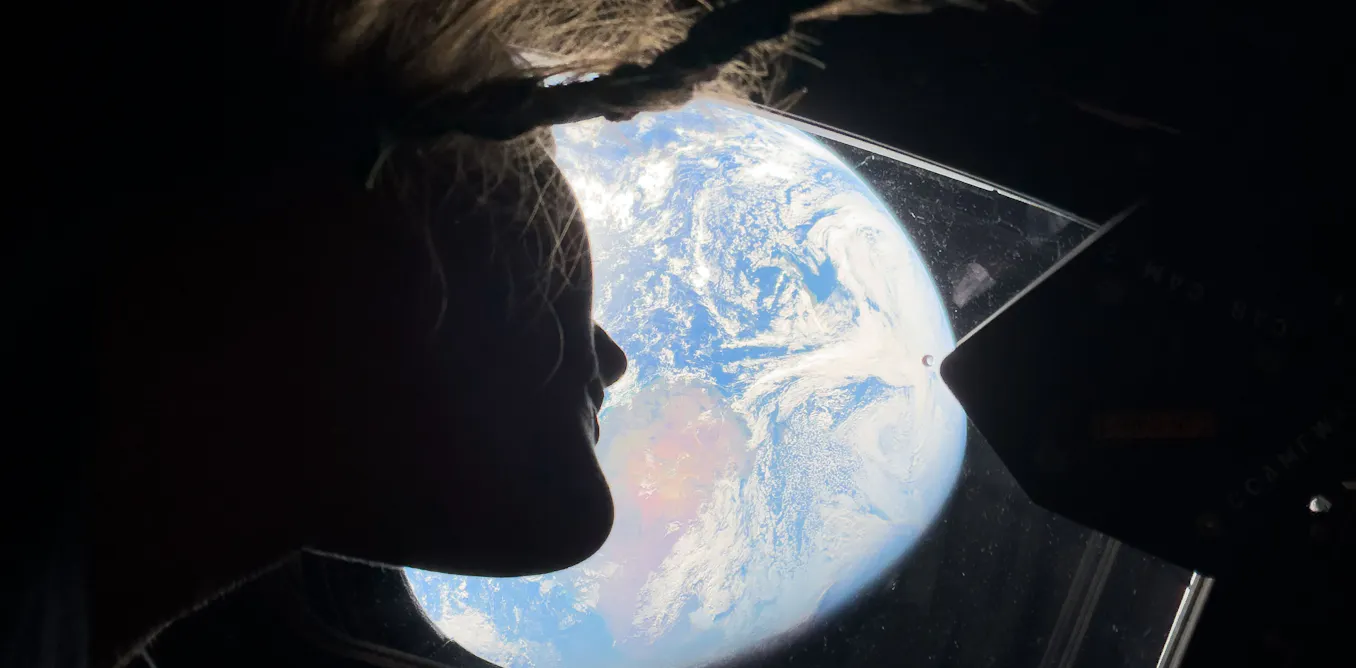
For more than half a century, the collective human memory of the Moon has been frozen in the grainy, high-contrast hues of the Apollo era. Those images—the stark white of a lunar module against a velvet black void, the fragile blue curve of Earth rising over a desolate horizon—did more than document a mission; they defined an epoch. Now, as NASA prepares for the Artemis II mission, the agency is not just returning humans to the lunar vicinity, but is fundamentally reimagining how we witness the cosmos.
The upcoming Artemis II lunar photography strategy represents a seismic shift in spaceflight documentation. While the Apollo astronauts relied on modified Hasselblad film cameras and the painstaking process of physical film recovery, the crew of Artemis II will utilize a sophisticated suite of digital tools. From professional-grade DSLRs to state-of-the-art mobile devices, the mission is designed to provide a high-definition, real-time visual narrative that will be streamed to billions of people across the globe.
Here’s more than a technical upgrade. In an era defined by AI-generated imagery and digital manipulation, the visual authenticity of the Artemis II journey serves a critical purpose. By blending the timeless composition of the 1960s with the crisp clarity of 21st-century optics, NASA aims to bridge the gap between the legendary achievements of the past and the sustainable exploration of the future.
The mission will carry a diverse crew—Commander Reid Wiseman, Pilot Victor Glover, and Mission Specialists Christina Koch and Jeremy Hansen—who have undergone intensive photography training. Their goal is to transform the Orion spacecraft into a floating observatory, capturing the lunar flyby with a precision and volume of data that would have been unimaginable during the Apollo 17 mission in 1972.
The Digital Arsenal: From DSLRs to Smartphones
The transition from chemical film to digital sensors allows for an unprecedented volume of imagery. During the Apollo missions, every frame was a precious resource, limited by the number of magazines an astronaut could carry. In contrast, the Artemis II crew will rely on high-capacity memory cards, enabling them to capture thousands of images without the risk of “running out of film.”
Central to this effort is the NASA Artemis program’s reliance on tried-and-true hardware. The Nikon D5, a stalwart of the International Space Station (ISS), is expected to serve as a primary tool due to its reliability in extreme environments and its ability to handle the harsh lighting conditions of deep space. However, the inclusion of modern smartphones introduces a new dimension to the mission. These devices allow astronauts to capture candid, high-resolution moments that feel intimate and relatable, mirroring the way the general public documents their own lives.
This duality of equipment—the professional DSLR for scientific and archival precision and the smartphone for human-centric storytelling—ensures that the mission’s visual legacy will be both authoritative, and accessible. The crew’s training has involved not only technical mastery of the gear but also collaboration with geologists and planetary scientists to ensure that the images captured serve a dual purpose: public inspiration and scientific discovery.
Updating the Icons: From Earthrise to Earthset
One of the most anticipated aspects of the mission is the attempt to “update” the most iconic images of the 20th century. The 1968 “Earthrise” photo from Apollo 8 changed the way humanity viewed its home, presenting Earth as a lonely, fragile marble in the dark. Artemis II seeks to capture a modern equivalent, potentially focusing on the “Earthset”—the sight of our planet dipping below the lunar horizon.
Because the Orion spacecraft is larger than the Apollo Command Module and features an increased number of windows and integrated cameras, the crew will have a significantly wider field of view. This expanded perspective, combined with a lunar trajectory that takes the crew further from the Moon than some previous flights, allows for a more comprehensive visual survey of the lunar far side and the Earth’s position relative to it.
Another primary target is a modern version of the “Blue Marble,” the famous image of a fully lit Earth captured by Harrison Schmitt during Apollo 17. By utilizing modern sensors capable of capturing a higher dynamic range, the Artemis II crew can document the thin sliver of the atmosphere and the glow of polar aurorae with a level of detail that reveals the current state of our planet’s health and climate, providing a powerful visual bookend to the image taken over 50 years ago.
The Orion Spacecraft as a Visual Hub
The architecture of the Orion spacecraft has been specifically optimized for this new era of transparency. Unlike the cramped quarters of the Apollo modules, Orion is designed with visibility in mind. With multiple windows and a network of live-streaming video cameras, the spacecraft functions as a continuous broadcast studio.
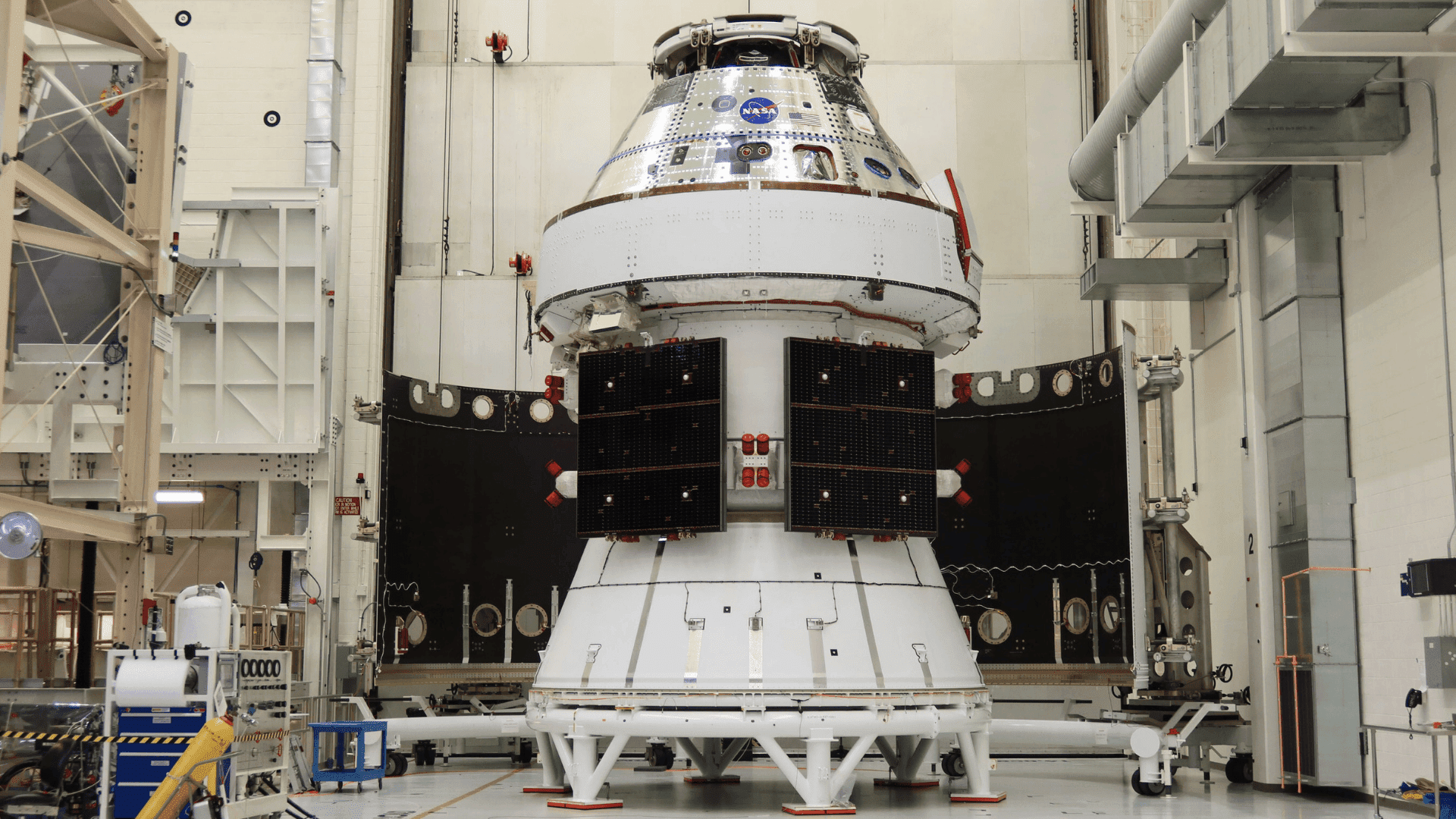
This capability allows the “visual story” to be told in real-time. As the crew performs their wide swing around the Moon, their live descriptions and the accompanying imagery will be broadcast to the public, turning a scientific mission into a shared global event. This immediacy removes the “delayed revelation” of the Apollo era, where the world had to wait for film to be developed and processed before seeing the lunar surface.
the crew’s role has evolved from mere pilots to active documentarians. Their training with geologists ensures that they can identify and photograph prospective landing sites for future Artemis III and IV missions. Every crater and ridge captured in high resolution contributes to the mapping efforts that will eventually guide the first humans back to the lunar surface.
Trust and Authenticity in the Age of AI
Perhaps the most significant challenge facing the Artemis II visual narrative is the current cultural climate. The rise of AI-generated “deepfakes” and sophisticated photo manipulation has created a paradox: we have the technology to see more of space than ever before, but we are more skeptical of what we see.
To combat this, NASA is emphasizing the “raw” nature of the digital transmissions. By providing metadata and live streams, the agency aims to establish a chain of custody for the imagery that proves its authenticity. The goal is to ensure that the awe inspired by the Artemis images is grounded in the reality of human achievement rather than the efficiency of an algorithm.
The volume of data will also play a role in establishing trust. While a single “perfect” image can be faked, a consistent stream of thousands of photos, videos, and audio logs creates a comprehensive record that is nearly impossible to fabricate. The sheer scale of the digital archive—likely dwarfing the nearly 4,000 photos captured during Apollo 17—will serve as an empirical testament to the mission’s success.
Comparison of Lunar Documentation Eras
| Feature | Apollo Era (1968–1972) | Artemis II Era (Planned) |
|---|---|---|
| Primary Medium | Analog Film (Hasselblad) | Digital Sensors (DSLR & Mobile) |
| Distribution | Delayed (Film Processing) | Near Real-Time (Digital Stream) |
| Image Volume | Limited by Film Magazines | High-Capacity Digital Storage |
| Viewpoint | Limited Command Module Windows | Enhanced Orion Window Array |
| Public Access | Television Broadcasts/Print | Global Social Media/Web Streaming |
What So for Future Exploration
The visual strategy of Artemis II is a blueprint for the future of deep space exploration. As NASA looks toward the Gateway lunar outpost and eventually crewed missions to Mars, the ability to document the journey in high definition will be essential for both scientific analysis and public support. The “human” element—the candid photos of astronauts in the capsule, the shared glances at the Earth—is what transforms a technical achievement into a cultural milestone.
By updating the classic Apollo images, NASA is not erasing the past but building upon it. The “Earthset” and the new “Blue Marble” will not replace the originals; instead, they will provide a temporal comparison, showing how both our technology and our perspective of our place in the universe have evolved.
As the crew of Artemis II prepares for their journey, the world waits not just for the telemetry and the mission milestones, but for the images. These photographs will be the primary evidence of our return to the Moon, serving as a visual bridge that connects the pioneers of the 1960s with the explorers of tomorrow.
The next critical checkpoint for the mission is the final integration and testing phase of the Orion spacecraft and the Space Launch System (SLS) rocket. NASA is currently working toward a launch window that will see the crew depart Earth for their lunar flyby, marking the first time humans have left low-Earth orbit in over half a century. Official updates on the launch date and crew readiness are provided regularly via the NASA News portal.
Do you think modern digital photography captures the “magic” of space as well as the original Apollo film? Share your thoughts in the comments below or join the conversation on our social media channels.
Keep reading