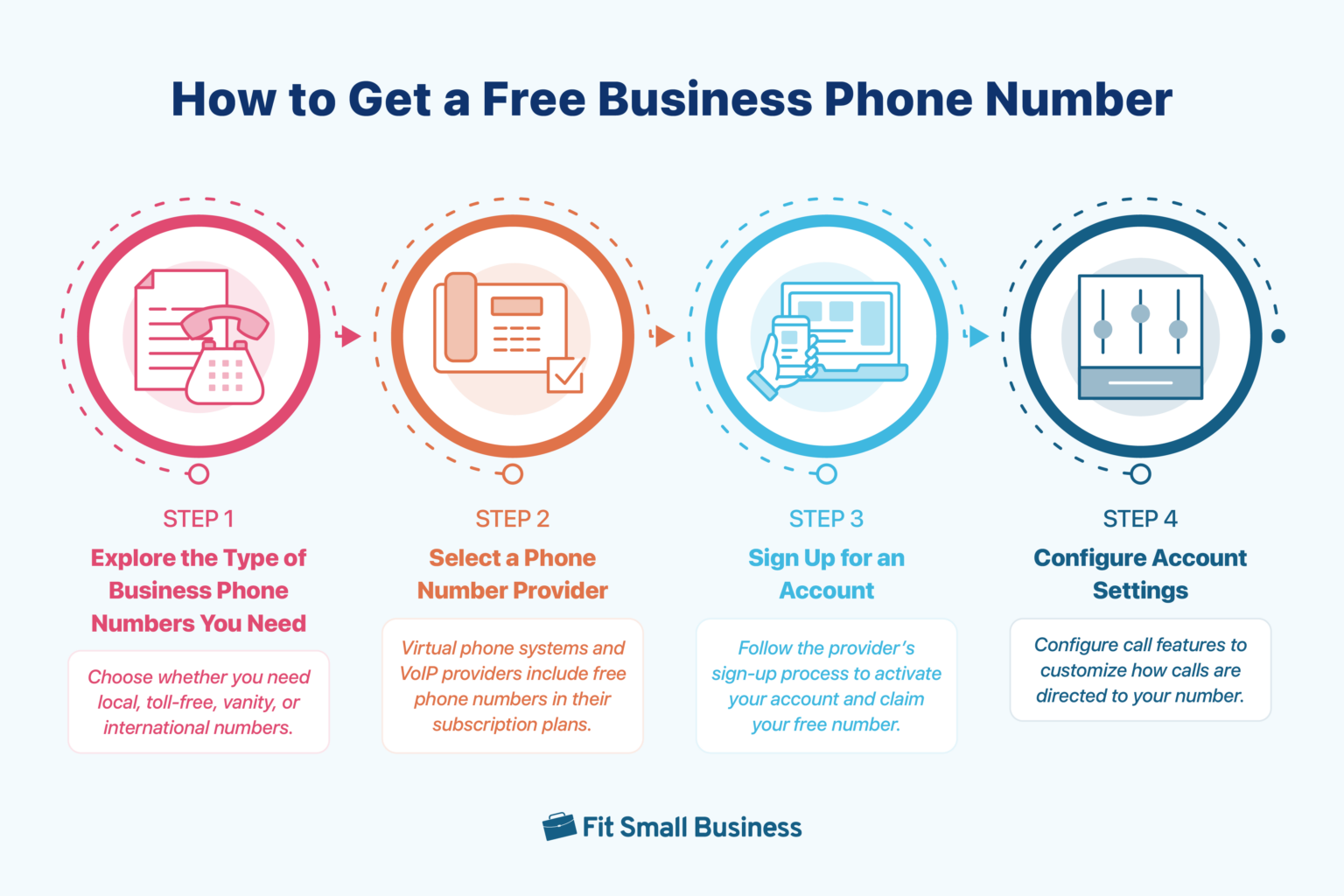
Establishing a professional presence doesn’t always require a massive upfront investment. For many entrepreneurs and freelancers, the first hurdle in scaling a brand is separating personal life from professional obligations. One of the most effective ways to achieve this without breaking the bank is to find a way to get a free business phone number.
Whether you are operating a side hustle from a home office or managing a growing startup, having a dedicated line ensures that clients can reach you through a professional channel. This separation not only protects your privacy but also allows you to maintain a consistent business image, regardless of whether you are using a smartphone, a laptop, or a dedicated desk phone.
However, the term “free” in the telecommunications world often comes with specific caveats. Depending on the provider, a free number might be a trial period, a limited-feature version of a Voice over Internet Protocol (VoIP) service, or a specific type of virtual number. Understanding these distinctions is critical for any business owner looking to maintain reliable communication with their customer base.
As the landscape of digital communication evolves, the shift toward cloud-based systems has made these options more accessible. From virtual numbers that forward calls to your existing mobile device to full-scale cloud phone systems, the options for 2026 are diverse and designed to scale as your business grows.
Understanding the Mechanics of Free Business Numbers
To get a free business phone number, you typically interact with a VoIP provider. Unlike traditional landlines that rely on physical copper wires, VoIP transmits voice data over the internet. This technology allows providers to assign a “virtual” number to your account, which can then be routed to any device with an internet connection.
Most “free” options fall into a few primary categories. Some providers offer a limited-time free trial of their premium services, while others provide a basic free tier that includes a number but limits the number of minutes or features available. Virtual numbers are particularly popular for tiny businesses because they allow a single person to appear as a larger organization by using professional greetings and call routing.
It is important to distinguish between a free number and a free service. While you may get the number itself at no cost, certain “premium” features—such as international calling, advanced call recording, or integration with Customer Relationship Management (CRM) software—usually require a paid subscription. As businesses scale, the transition from a free number to a comprehensive cloud phone system becomes necessary to handle higher call volumes and complex routing needs.
Step-by-Step Guide to Securing Your Professional Line
Getting started with a professional line is generally a streamlined process. While different providers have slightly different interfaces, the core steps remain consistent across most modern platforms.
- Identify Your Needs: Determine if you only need a way to receive calls or if you require a full suite of business tools. If you only need a basic line, a virtual number provider is sufficient. If you need a professional infrastructure, appear for VoIP services that offer trial periods.
- Compare Providers: Look for services that offer a “free” tier or a “no-credit-card-required” trial. Check for the availability of local numbers in your specific region or the option for a toll-free number.
- Sign Up and Verify: Create an account using your business email. Most providers will require a verification step to prevent spam, which may involve verifying your existing mobile number.
- Select Your Number: Utilize the provider’s search tool to find a number that is easy to remember. You can often filter by area code to ensure your business looks local to your target market.
- Configure Your Routing: Decide where the calls should go. You can set the number to ring your personal cell phone, forward to an email address, or go directly to a professional voicemail greeting.
- Test the Line: Before publishing the number on your website or business cards, place a few test calls to ensure the audio quality is clear and the routing works as intended.
Evaluating Limitations and When to Upgrade
While a free business phone number is an excellent starting point, it is rarely a permanent solution for a growing company. Most free tiers are designed to introduce users to the platform’s capabilities rather than support a full-scale operation.
Common limitations include “minute caps,” where you are only allowed a certain number of outgoing calls per month. Other restrictions may include the lack of an automated attendant (the “press 1 for sales” menu) or limited storage for voicemail. Some free services may include the provider’s branding in your call greetings or lack the security encryption required for handling sensitive client data.
Make sure to consider upgrading to a paid business VoIP service when you encounter the following triggers:
- Increased Call Volume: When you are consistently hitting the limit of your free minutes.
- Need for Team Collaboration: When you need multiple employees to be able to answer the same business line.
- Professionalism Requirements: When you need advanced features like call queuing, detailed analytics, and professional IVR (Interactive Voice Response) systems.
- Hardware Integration: When you decide to move away from a mobile app and invest in professional hardware, such as VoIP routers to ensure stable, high-quality connections for desk phones.
Comparing Free Options vs. Paid Business Services
To help determine the right path for your business, it is useful to compare the basic utility of a free number against the comprehensive nature of a paid service. The following table outlines the typical differences found in the 2026 market.
| Feature | Free/Trial Number | Paid Business VoIP |
|---|---|---|
| Initial Cost | $0 | Monthly Subscription |
| Call Volume | Limited/Capped | Unlimited or High-Cap |
| Call Routing | Basic Forwarding | Advanced IVR/Auto-Attendant |
| Support | Self-Service/Community | Dedicated Account Management |
| Hardware | App-based/Mobile | Compatible with VoIP Routers/Desk Phones |
The Role of Hardware in Scaling
For those moving beyond the “free” stage, the hardware becomes a critical factor. While apps are convenient, a dedicated business environment often requires specialized equipment to maintain call quality and network stability. What we have is where VoIP routers approach into play, providing the necessary Quality of Service (QoS) settings to prioritize voice traffic over standard data traffic, preventing dropped calls or “jitter” during important client conversations.
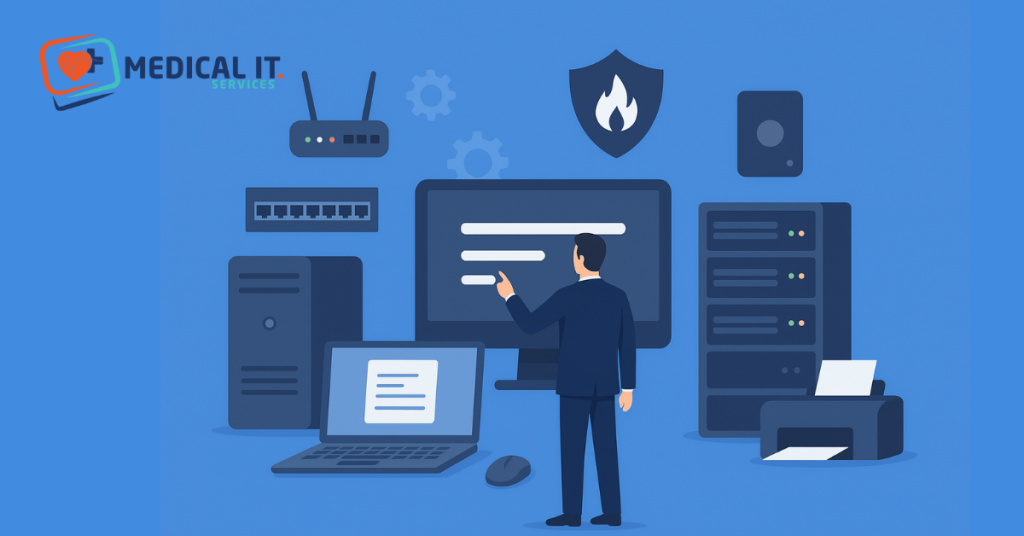
As you evaluate the best business phone services in 2026, consider whether your current internet infrastructure can support the transition from a simple virtual number to a full-featured communication hub.
Key Takeaways for Business Owners
- Privacy First: A dedicated business number prevents your personal cell phone number from being public.
- VoIP is Key: Most free numbers are powered by VoIP technology, requiring a stable internet connection.
- Watch the Limits: Free tiers often have strict limits on minutes and features; read the fine print before relying on them for critical operations.
- Scalability: Start with a free number to validate your business idea, then migrate to a cloud system as your client base grows.
The next step for most entrepreneurs is to audit their current communication needs and test a few different providers to see which interface fits their workflow. As the industry moves further toward integrated cloud communications, the barrier to entry continues to drop, allowing even the smallest ventures to project a professional image from day one.
Do you have a preferred method for managing your business calls, or have you found a service that offers the best free trial? Share your experiences in the comments below.
Worth a look
- Anthropic’s Claude AI Models Gained Unauthorized Access to Three External Networks During Testing
- Samsung Galaxy F70 Pro: Leaked Specs and Release Date Rumors
- Europe’s Largest Lender Grows via Hong Kong Wealth and Insurance Business (newsdirectory3.com)
- Why Your Phone's Battery Still Drains When It's Completely Off (daybreakwire.com)