
The disappearance of Natalee Holloway in May 2005 remains one of the most haunting cold cases in the history of international travel and criminal investigation. What began as a celebratory high school graduation trip to the beaches of Aruba transformed into a multi-decade ordeal involving shifting testimonies, intense media scrutiny, and a profound search for justice that spanned continents. For eighteen years, the Holloway family navigated a labyrinth of false leads and legal dead ends, a journey that only reached a definitive, albeit tragic, resolution in recent years.
As we examine the case of Natalee Holloway, we are reminded of the complexities inherent in cross-border investigations. The incident underscored the limitations of jurisdictional cooperation and the devastating impact of misinformation in high-profile criminal matters. The search for the truth regarding the teenager’s final hours became a global focal point, illustrating how the intersection of tourism, local law enforcement, and international media can create a volatile environment for justice.
A Graduation Trip Turned Tragedy
Natalee Holloway, an 18-year-old student from Mountain Brook, Alabama, arrived in Aruba on May 26, 2005, for a trip with her classmates. On the night of May 29, 2005—just hours before her scheduled flight home—she was last seen leaving a nightclub in the company of Joran van der Sloot and two other men. When she failed to appear at the airport the following morning, a massive search operation commenced, drawing international attention to the Dutch Caribbean island. The Federal Bureau of Investigation (FBI) confirmed that the investigation into her disappearance remained a priority for nearly two decades, as local and federal authorities struggled to piece together her final movements.
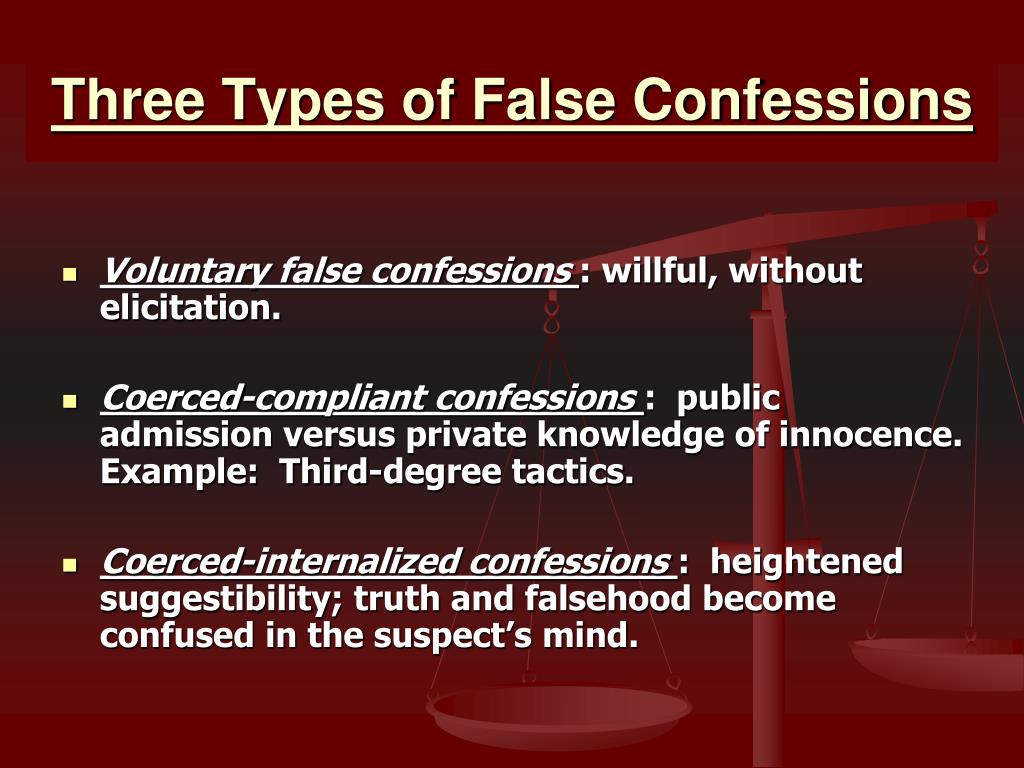
In the weeks following her disappearance, Joran van der Sloot was arrested multiple times by Aruban authorities but was consistently released due to a lack of evidence. The case was marked by a series of unreliable confessions, shifting narratives, and claims of involvement that ultimately led nowhere. These developments left the Holloway family in a state of perpetual uncertainty, struggling against a tide of conflicting reports that obscured the reality of what occurred on that beach in Oranjestad.
The Long Road to Accountability
The quest for closure took a dramatic turn in 2023, when Joran van der Sloot was extradited from Peru—where he was serving a prison sentence for the 2010 murder of Stephany Flores—to the United States. This legal maneuver was made possible by a specific treaty provision between the two nations, allowing him to face federal charges related to the extortion of the Holloway family. In October 2023, Van der Sloot pleaded guilty to extortion and wire fraud, admitting to the court that he had attempted to sell false information about the location of Natalee’s remains to her mother for $250,000.
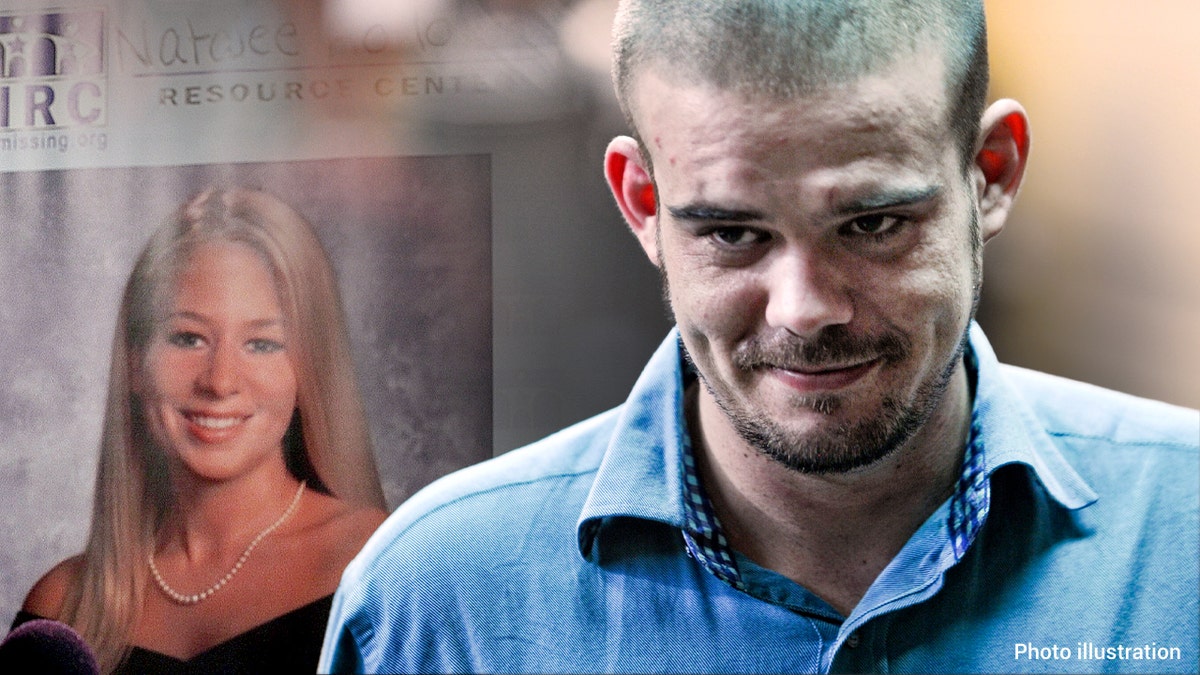
This plea deal served as a pivotal moment, as it forced Van der Sloot to provide a formal confession regarding the events of 2005. For the first time, he admitted to killing Natalee Holloway after she resisted his sexual advances on the beach. While this confession provided the legal closure the family had sought for 18 years, it also laid bare the calculated cruelty that had defined the investigation for nearly two decades. The sentencing of Van der Sloot to 20 years in a U.S. Federal prison marked the end of the legal proceedings regarding the extortion case, though the physical recovery of Natalee remains an incomplete chapter.
Impact on Global Travel and Legal Cooperation
The Holloway case serves as a sober case study for families and international travelers. It highlighted the critical importance of understanding local jurisdictional powers when a crime occurs outside of one’s home country. The case prompted ongoing discussions regarding the “Aruba Protocol” and the necessity for robust legal assistance treaties that can facilitate faster information sharing between local law enforcement and international investigators. For those traveling abroad, the U.S. Department of State provides guidance on what resources are available to citizens who find themselves in legal distress or are victims of crime in foreign territories, emphasizing that local laws always take precedence in investigations.
The legacy of this case is not merely found in the courtroom proceedings but in the systemic changes it triggered regarding how missing person cases are handled internationally. The persistence of Beth Holloway, Natalee’s mother, became a symbol of advocacy, pushing for greater transparency and cooperation in cases where American citizens vanish on foreign soil. Her efforts have ensured that the memory of Natalee Holloway is tied to a broader movement for victim rights and international legal accountability.
Key Takeaways from the Investigation
- Extortion Charges: The legal breakthrough occurred not through a murder charge in Aruba, but through federal extortion charges in the U.S., which allowed for the extradition of the primary suspect.
- The Confession: In 2023, Joran van der Sloot provided a detailed account of the events, confirming that he killed Natalee Holloway in 2005, ending nearly two decades of speculation and false leads.
- Jurisdictional Challenges: The case illustrates the inherent difficulties of conducting investigations across international borders, where different legal systems and local laws can significantly impact the pace and outcome of a search.
- Advocacy: The case remains a landmark example of how family-led advocacy can impact global attention, forcing international cooperation in cold cases that might otherwise remain forgotten.
As the legal chapter closes, the focus remains on the enduring impact of this tragedy on the Holloway family and the broader international community. The case serves as a reminder that while justice may be delayed, the search for truth is a relentless pursuit. We encourage our readers to share their thoughts on the evolution of international legal cooperation and how such cases have shaped their own perspectives on travel safety. For further updates on international legal precedents, stay tuned to our ongoing coverage of global human rights and justice initiatives.
Related reading