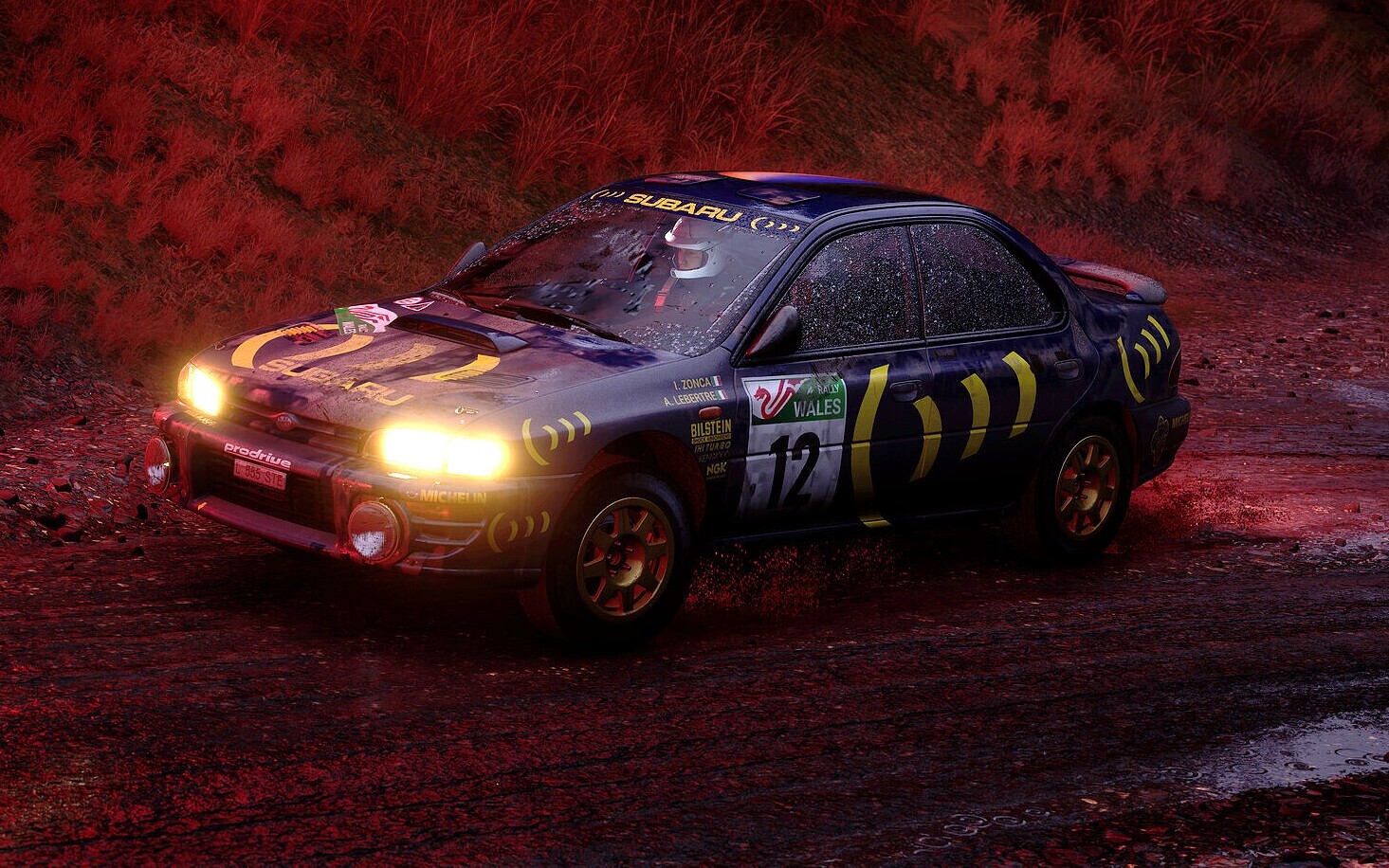
The boundary between virtual simulation and professional motorsport has traditionally been a wide chasm, particularly in the disciplined, high-stakes world of rallying. Even as circuit racing has long embraced the “sim-to-track” pipeline, rallying’s inherent unpredictability—shifting surfaces, blind crests, and the intimate dance between driver and co-driver—has made a standardized professional esports circuit difficult to sustain.
That landscape shifted this week. The Fédération Internationale de l’Automobile (FIA) has officially announced the launch of the FIA Esports Global Rally Tour, marking the organization’s first-ever official rally esports competition. By partnering with 505 Games, the publisher of Assetto Corsa Rally, the FIA is attempting to codify virtual rallying with the same institutional weight it brings to the World Rally Championship (WRC).
As a former software developer with an MSc in Computer Science from Stanford, I have spent nearly a decade tracking how physics engines evolve to mimic reality. The choice of Assetto Corsa Rally as the official platform is a calculated move. The title is widely regarded for its meticulous approach to vehicle dynamics and surface interaction, providing the “meaty” and convincing driving feel necessary to transition a gamer’s skill set into something recognizable to professional rally drivers.
This initiative is not merely about gaming; it is a strategic expansion of the sport’s global footprint. The FIA has explicitly framed this tour as a mechanism to inspire future generations and a means to double global participation in motorsport, treating the digital arena as a legitimate rung on the ladder to real-world racing.
A Recent Era for Virtual Rallying
The establishment of the FIA Esports Global Rally Tour represents a significant shift in how the governing body of world motorsport views simulation. By granting the competition official FIA support, the tour moves beyond the realm of community-led leagues into a structured, sanctioned professional environment. This alignment ensures that the competition standards, sporting regulations, and competitive integrity mirror the rigors of actual FIA-sanctioned events.
The partnership with 505 Games allows the FIA to leverage a platform that balances accessibility with high-fidelity simulation. For the competitive community, this means a transition from fragmented tournaments to a unified global circuit. The goal is to create a “cultural moment” in its own right, where the spectacle of virtual rallying attracts a demographic that might never have stepped foot in a physical rally stage but possesses the reflexive precision required for elite-level sim racing.
The Road to Shanghai: Competition Structure
The FIA Esports Global Rally Tour is designed as a multi-stage gauntlet, ensuring that only the most consistent and adaptable drivers reach the final stage. The competition framework is built on a hierarchy of accessibility and increasing difficulty, designed to filter thousands of global entrants down to a handful of elite finalists.
According to the official announcement, the tour “will include both online qualifiers and regional shootouts,” creating a geographic funnel that rewards local dominance before testing drivers on a global scale. This structure allows the FIA to cultivate regional hubs of talent, mirroring the way traditional rally championships often grow from national series into international prominence.
The culmination of the tour will be a high-profile live final. In a move to integrate the digital world with the sport’s highest honors, the final event will take place at the FIA Awards in Shanghai. This placement is symbolic; by hosting the esports final alongside the crowning of real-world champions, the FIA is signaling that virtual achievement is a recognized component of the broader motorsport ecosystem.
Bridging the Gap Between Sim and Soil
The most ambitious aspect of the FIA Esports Global Rally Tour is its intent to serve as a bridge to physical motorsport. The FIA’s stated commitment to “doubling global participation in motorsport” suggests that the tour is intended to function as a scouting ground. In the same way that F1 esports has identified talents who can translate their digital precision to the track, the FIA hopes to find “virtual” rally drivers who possess the innate spatial awareness and timing required for real-world stages.

This “path to pro” is particularly vital for rallying, which often has higher barriers to entry than karting or entry-level circuit racing due to the cost of specialized vehicles and the logistical complexity of stage rallies. A sanctioned esports tour lowers these barriers, allowing a driver from any corner of the globe to prove their merit through a screen and a steering wheel before seeking the sponsorship required for a physical car.
However, the transition from sim to soil is not without challenges. While Assetto Corsa Rally provides a convincing approximation of physics, the “primal fear” and physical G-forces of a real-world rally car cannot be fully simulated. The tour’s success will ultimately be measured by whether it produces drivers who can handle the visceral reality of a gravel road in the rain, not just those who can optimize a digital line.
Technical Foundation: Why Assetto Corsa Rally?
From a technical perspective, the selection of Assetto Corsa Rally as the official title is a nod to the importance of “feel” in rallying. Unlike some simulations that prioritize a “gamey” experience, this title focuses on the meticulous simulation of weight transfer and traction loss. In rallying, the car is rarely traveling in a straight line; it is a constant state of controlled sliding.
The software’s ability to simulate the punishing nature of rally environments—where “discarded bumpers” and chassis damage are common—adds a layer of strategic depth to the competition. Drivers must balance raw speed with car preservation, a core tenet of real-world rally endurance. This technical fidelity is what makes the game a viable platform for an FIA-supported esport, as it requires a level of finesse and mechanical sympathy that separates the casual player from the professional competitor.
Key Takeaways for Competitors
- Official Sanctioning: The tour is the first-ever official FIA rally esports competition, providing a professional pathway for sim racers.
- Path to Finals: The road to the championship consists of online qualifiers followed by regional shootouts.
- The Grand Finale: The final event will be held live at the FIA Awards in Shanghai.
- Platform: The competition is exclusively hosted on Assetto Corsa Rally, published by 505 Games.
- Core Objective: The initiative aims to double global motorsport participation and inspire new generations of drivers.
As the tour moves toward its regional shootouts, the sim racing community is watching closely to see if this will truly democratize access to rallying. For those looking to enter, official updates and registration details are typically managed through the FIA’s official esports portal.
The next major checkpoint for the tour will be the announcement of the specific dates and registration windows for the online qualifiers, leading up to the final showcase in Shanghai. We will be monitoring the regional results to see which countries emerge as the new powerhouses of virtual rallying.
Do you think sim racing can truly prepare a driver for the unpredictability of a real rally stage, or is the physical gap too wide to bridge? Share your thoughts in the comments below.
Keep reading