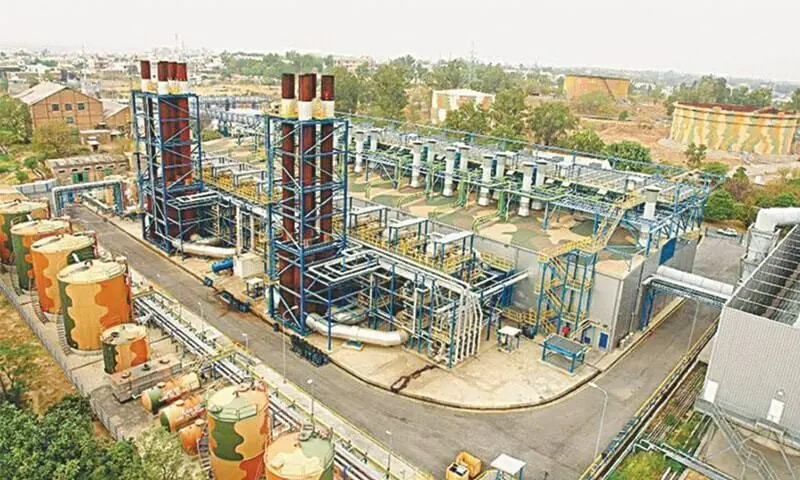
Attock Refinery shutdown: Analyzing the Impact on Pakistan’s Fuel Supply & Market Dynamics
The recent announcement by Attock Refinery Limited (ARL) regarding a temporary shutdown of its primary crude distillation unit (HBL-1) – commencing January 4th, 2026 – has sent ripples through Pakistan’s energy sector. This isn’t simply a routine maintainance event; it’s a symptom of broader challenges facing the nation’s refining capacity and fuel distribution network. This article provides an in-depth analysis of the situation, exploring the causes, potential consequences, and long-term implications for refinery operations in pakistan. We’ll delve into the specifics of ARL’s decision, the role of oil marketing companies (OMCs), and the wider economic context.
Understanding the Shutdown: ARL’s Viewpoint
ARL’s decision, formally disclosed under PSX Rule Book Clause 5.6.1 and Sections 96 and 131 of the Securities Act 2015, stems from a confluence of factors. The core issue is an imbalance between crude oil processing and finished product demand. Specifically, the refinery experienced low crude oil stocks in December 2025, coinciding with a meaningful reduction in offtake – the volume purchased - of petrol and high-speed diesel (HSD) by Oil Marketing Companies (OMCs). This resulted in a build-up of finished product inventories at the refinery, making a temporary shutdown of the 32,400 barrels per stream day HBL-1 unit a necessary operational adjustment.
Did You Know? pakistan’s refining capacity currently meets approximately 65% of the country’s total petroleum product demand, relying heavily on imports to bridge the gap. this makes refinery operations critically crucial for national energy security.
It’s crucial to understand that ARL has assured the Pakistan Stock Exchange (PSX) that committed volumes and uninterrupted despatches for January 2026 will be maintained despite the shutdown.This suggests the refinery is leveraging existing inventories and optimizing operations of its other crude units and downstream processing facilities to fulfill contractual obligations. Essential maintenance activities will also be undertaken during this period, maximizing the benefit of the downtime.
The Role of Oil Marketing Companies (OMCs) & Demand Fluctuations
The reduced offtake by OMCs is a key piece of this puzzle. Several factors could be contributing to this decline in demand. These include:
* Economic Slowdown: A sluggish economy often translates to reduced industrial activity and transportation, leading to lower fuel consumption. Pakistan’s economic growth has been volatile in recent years, impacting fuel demand.
* Price Fluctuations: global oil price volatility can influence consumer behavior. Rising prices may lead to reduced consumption, while falling prices can encourage stockpiling.
* Seasonal Variations: Demand for petrol and HSD typically fluctuates seasonally. December often sees a slight dip in demand compared to peak seasons like summer.
* Inventory Management by OMCs: OMCs themselves may be adjusting their inventory levels based on anticipated demand or changes in government policies.
* Import Competition: Increased imports of refined petroleum products can sometimes reduce the demand for locally refined fuel.
Pro Tip: Monitoring OMC import data alongside refinery production figures provides valuable insights into the overall fuel supply and demand dynamics in Pakistan. The Oil Companies Advisory Council (OCAC) publishes relevant data.
The interplay between these factors is complex and requires careful analysis. A sustained decline in OMC offtake could signal deeper structural issues within the fuel supply chain.
Implications for Pakistan’s Fuel Supply & Market
The ARL shutdown, even if temporary, highlights vulnerabilities in Pakistan’s fuel supply infrastructure. Here’s a breakdown of potential implications:
* Increased Reliance on Imports: With reduced domestic refining capacity, Pakistan may need to increase its reliance on imported petroleum products to meet demand. This exposes the country to global price fluctuations and geopolitical risks.
* Potential for Price Increases: Increased import dependence can drive up fuel prices, impacting consumers and businesses.
* Strain on Existing Infrastructure: The existing fuel storage and distribution infrastructure may be strained if imports need to be ramped up quickly.
* Impact on Refinery Profitability: Prolonged periods of low capacity utilization can
Related reading