Unraveling the Deep History of aboriginal Australians: A Genetic Journey Back 60,000+ Years
For decades, the story of the first Australians has been a captivating puzzle. Recent genetic research is now adding compelling new pieces, suggesting a far deeper and more complex history than previously understood. this exploration delves into the evidence revealing how early humans first populated the Australian continent, known as Sahul, and the implications for understanding the enduring connection of Aboriginal people to their land.
The Journey to Sahul: Earlier Than We Thought
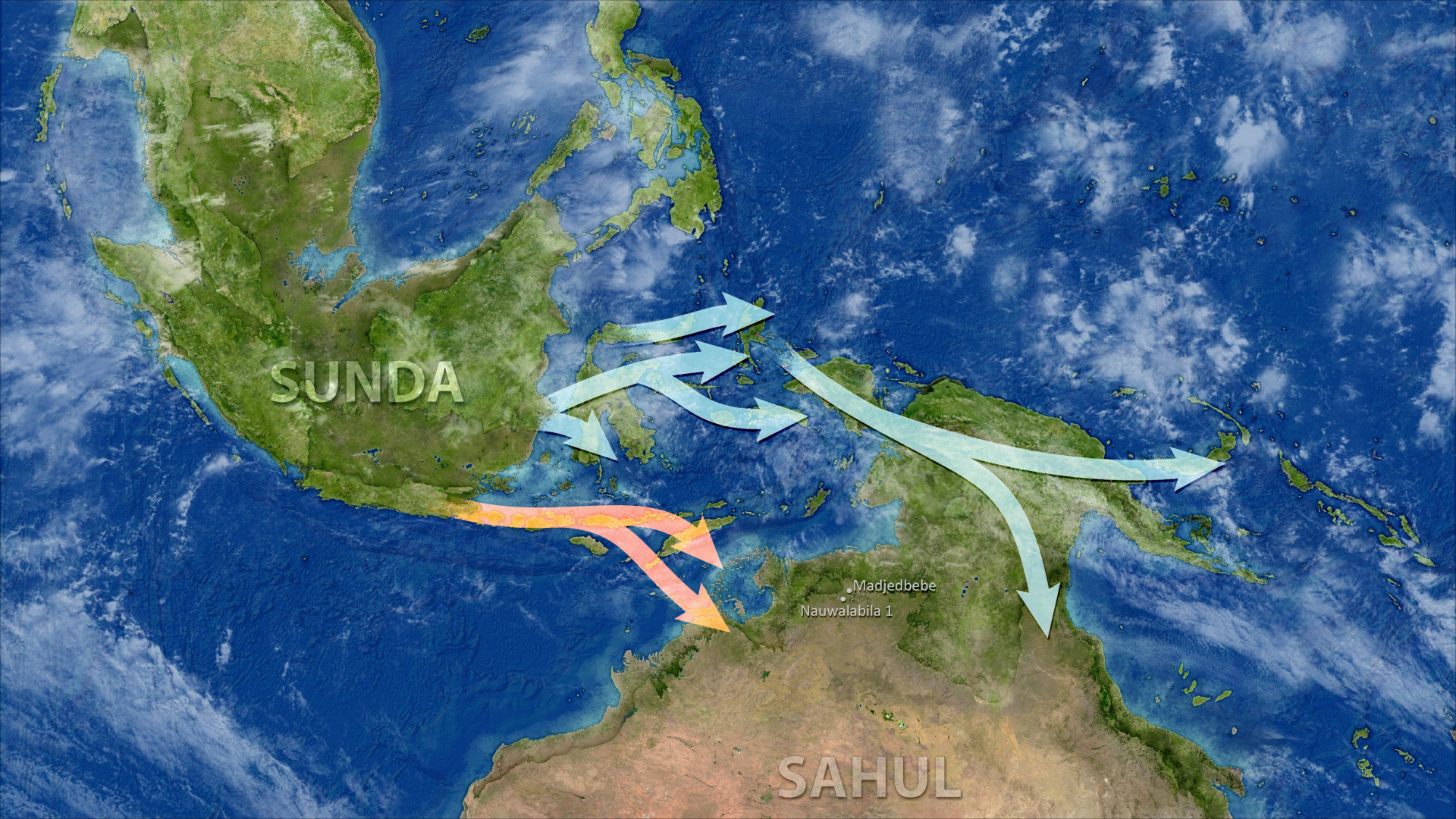
Traditionally, it was believed that the first people arrived in Australia around 40,000 to 50,000 years ago. However, mounting genetic evidence points to a much earlier migration, possibly exceeding 60,000 years. This timeline necessitates a re-evaluation of how these pioneers accomplished this remarkable feat.
Consider the geographical challenge: even during the last glacial period, Sahul wasn’t connected to mainland Asia. This means your ancestors needed seafaring capabilities – likely rafts or simple boats – to navigate significant stretches of open ocean.
Interactions with Ancient Human Relatives
The story doesn’t end with a single migration. As these early humans ventured across Southeast Asia, they likely encountered and interbred with othre archaic human groups already inhabiting the region.
These encounters may have included:
* Homo longi, known as the “Dragon Man,” discovered in China.
* H. luzonensis, a distinct hominin found in the Philippines.
* H. floresiensis, famously nicknamed “the hobbit,” from the island of Flores.
The extent of these interactions remains an area of ongoing research, but it’s clear that the human story in this region was a complex tapestry of encounters and mixing.
Supporting the “Long Chronology” Model
Archaeological evidence has long hinted at an earlier presence in Australia, but confirming it has been challenging. Now, genetic data strongly supports what’s known as the “long chronology” model. This suggests that the initial peopling of Sahul occurred significantly earlier than previously accepted.
One archaeologist notes that this research reinforces the idea that early human movements were pivotal in establishing the first populations in Australia. This perspective is gaining traction within the scientific community.
A Deep Connection to Country and Sea
The implications of this research extend far beyond academic debate. It resonates deeply with the cultural beliefs of many Aboriginal Australians, who have long maintained a connection to the land stretching back millennia.
Many Aboriginal people believe they have always been in Country, and this genetic evidence provides a scientific foundation for that enduring connection. The data confirms a heritage spanning at least 60,000 years, highlighting the profound and unbroken link between people and place.
beyond Survival: The Mastery of the Sea
This research also underscores the refined knowledge and skills possessed by these early seafarers. While archaeological evidence of early boats is scarce, the genetic data makes a compelling case for their existence.
It proves that seafaring wasn’t just a later progress, but a crucial skill that enabled survival and expansion. This mastery of the sea allowed your ancestors to thrive in a challenging environment and establish a lasting presence on the australian continent.
Looking Ahead
The story of the first Australians is still unfolding. Ongoing research, combining genetic analysis with archaeological discoveries, promises to reveal even more about this remarkable journey. As we continue to unravel the past, we gain a deeper appreciation for the resilience, ingenuity, and enduring connection of Aboriginal people to their land and sea.
Keep reading