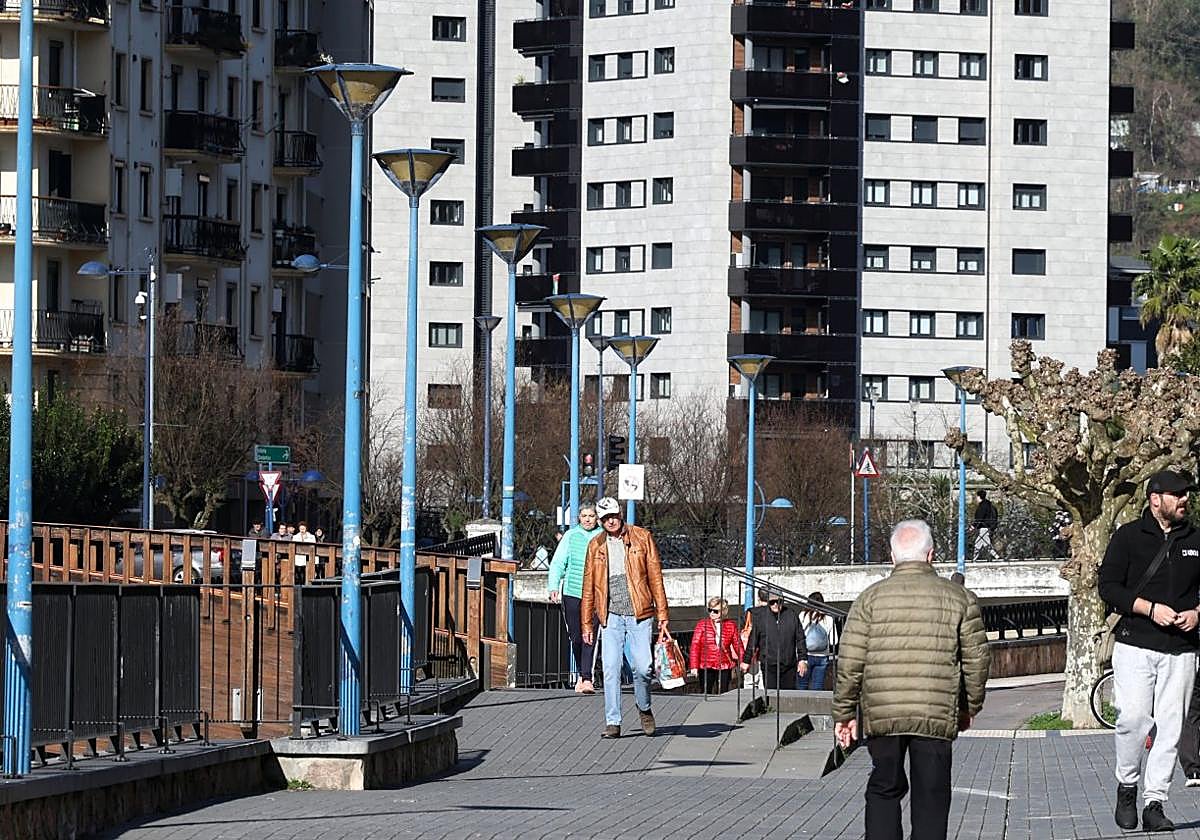
Gipuzkoa has emerged as the province with the highest average mortgage debt in the Basque Country, according to recent financial data. The average home loan in the region now stands at 192,245 euros, significantly above the Basque Country average and reflecting broader trends in housing affordability and lending practices.
This figure represents a notable increase from earlier estimates that placed the average mortgage in Gipuzkoa closer to 178,000 euros, a discrepancy that underscores the importance of relying on verified, up-to-date sources when assessing household debt levels. The revised average highlights growing financial pressure on homebuyers in one of Spain’s most economically dynamic regions.
The data comes from official lending records compiled by Spanish financial regulators, which track the total capital lent for home purchases across all municipalities in Gipuzkoa. When divided by the number of active mortgage holders, this yields the per-borrower average that has drawn attention from economists and housing advocates alike.
Several factors contribute to Gipuzkoa’s elevated mortgage levels. The province includes San Sebastián, a city known for its high quality of life, strong cultural appeal, and limited housing supply—dynamics that have driven up property prices over the past decade. As demand continues to outpace available homes, buyers are increasingly relying on larger loans to enter the market.
interest rate environments and lending criteria have evolved in recent years. Although European Central Bank policies have kept borrowing costs relatively low compared to historical averages, stringent affordability tests and rising living costs mean that even moderate-income households may require substantial loans to qualify for a home purchase.
Housing experts note that high mortgage averages are not inherently problematic if matched by strong income levels and stable employment. In Gipuzkoa, wages tend to be above the national average, particularly in sectors like technology, healthcare, and advanced manufacturing. However, concerns remain about long-term sustainability, especially for younger buyers and those in precarious employment.
Comparatively, the other two provinces in the Basque Country—Bizkaia and Araba—report lower average mortgage amounts. Bizkaia, despite being the most populous, benefits from a more diverse housing market and greater availability of mid-range properties. Araba, with its capital in Vitoria-Gasteiz, offers more affordable entry points due to lower land costs and newer developments on the urban periphery.
These regional disparities reflect broader patterns seen across Spain, where mortgage debt varies significantly by location. Urban centers like Madrid and Barcelona consistently display higher averages than rural areas, though Gipuzkoa’s position is remarkable given its relatively small size and population of just over 700,000.
Financial institutions operating in the Basque Country have responded to these trends with tailored lending products. Some banks now offer graduated payment plans or extended amortization periods to help borrowers manage large loan balances, particularly in high-cost zones like Donostia-San Sebastián and its surrounding municipalities.
Regulators emphasize the importance of responsible lending amid rising debt levels. Spain’s Bank of Spain regularly monitors household leverage ratios and has issued guidance urging lenders to stress-test borrowers against potential interest rate increases, even in low-rate environments.
For prospective homebuyers in Gipuzkoa, experts recommend careful budgeting that accounts not only for mortgage payments but also for property taxes, insurance, maintenance, and potential rate fluctuations. Independent financial advice is increasingly seen as a valuable step in navigating one of the largest financial commitments most individuals will make.
Looking ahead, housing policy debates in the Basque Country are focusing on increasing supply through sustainable development and revisiting zoning laws to allow for greater density in urban areas. Meanwhile, social housing initiatives aim to provide alternatives for those priced out of the private market.
The next official update on regional mortgage lending trends is expected from the Bank of Spain’s quarterly household finance report, scheduled for release in July 2026. This report will provide further insight into whether Gipuzkoa’s average mortgage continues to rise or stabilizes amid shifting economic conditions.
For readers interested in tracking mortgage trends, housing affordability, or regional economic developments in northern Spain, staying informed through official financial publications and trusted news sources is essential. We encourage you to share your thoughts and experiences in the comments below and to spread awareness by sharing this article with others who may identify it useful.