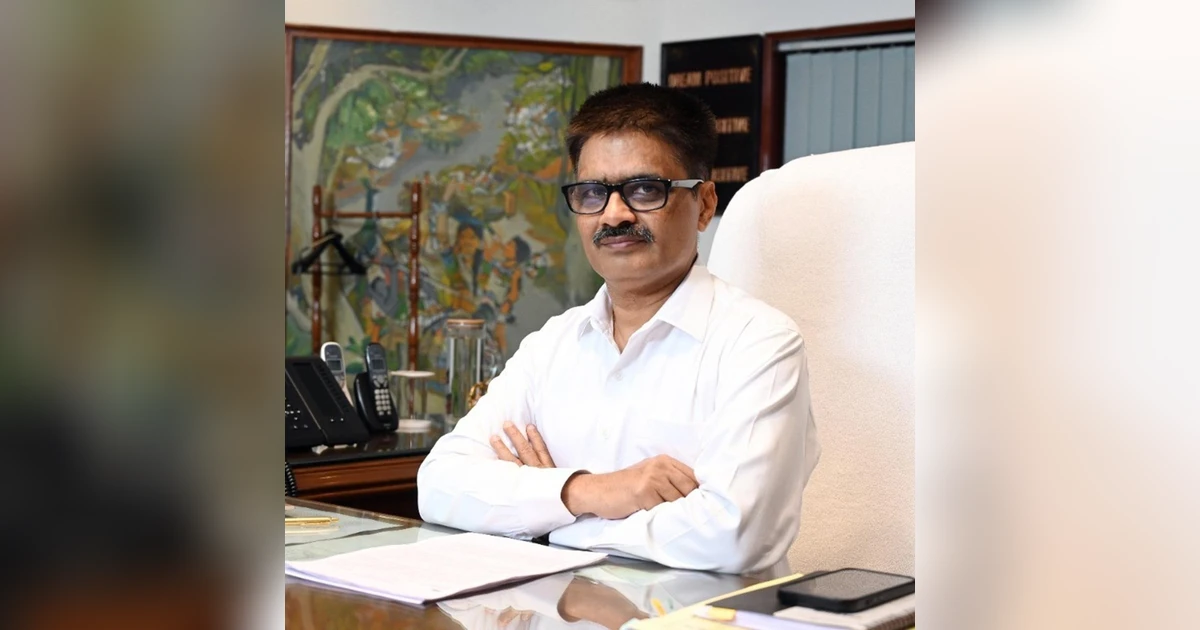
B. Sairam Takes the Helm at Coal India: A New Era for Indian Coal production
The Indian energy landscape has a new leader. On December 15th, B. Sairam officially assumed the position of Chairman-cum-Managing Director of Coal India Limited (CIL), the nation’s dominant coal producer.This appointment marks a pivotal moment for the company, as it navigates evolving energy demands and a growing commitment to sustainable practices. but what does this leadership change signify for the future of coal in India, and what challenges and opportunities lie ahead for CIL under Sairam’s guidance?
Sairam succeeds sanoj Kumar Jha, who held the interim position following the retirement of P.M.Prasad. Prior to this elevation, Sairam distinguished himself as the Chairman-cum-Managing Director of Northern Coalfields Limited (NCL), a crucial subsidiary of CIL. His extensive experience also includes a tenure as Director (Technical) at Central coalfields Limited, solidifying his deep understanding of the entire CIL ecosystem.
Key Facts: B. Sairam & Coal India
| Position | B. Sairam | Coal India Limited (CIL) |
|---|---|---|
| New role | Chairman-cum-managing Director | India’s largest coal producer |
| Previous Role | CMD, Northern Coalfields Limited (NCL) | Accounts for >80% of domestic coal production |
| Education | Mining Engineering (NIT Raipur), MBA (NTPC school of Business) | critical to India’s power sector & core industries |
Did You Know? Coal India’s production accounts for over 80% of India’s total domestic coal output, making it a cornerstone of the nation’s energy security.
A Focus on Production, Quality, and Diversification
In his initial address, Sairam emphasized a continued commitment to increasing coal production and enhancing the quality of coal supplies to meet India’s burgeoning energy needs. This is particularly crucial given India’s projected energy demand growth, fueled by economic expansion and a rising population. However, his vision extends beyond traditional coal mining.
Sairam highlighted CIL’s strategic expansion into new energy frontiers, including solar power, coal gasification, and the acquisition of critical minerals. This diversification strategy reflects a proactive response to the global energy transition and a commitment to long-term sustainability. the move towards coal gasification, such as, could significantly reduce carbon emissions compared to direct coal combustion. Recent reports from the Ministry of Coal indicate a strong push for coal gasification projects, with several pilot plants already underway (source: Ministry of Coal,Government of India).
Pro Tip: Keep a close watch on CIL’s investments in renewable energy and coal gasification. These initiatives could represent notable growth opportunities and contribute to a more sustainable energy mix for India.
Navigating the Challenges of India’s energy Transition
The appointment of B. Sairam comes at a complex time for the Indian coal industry. While coal remains a vital fuel source, the nation is also aggressively pursuing renewable energy targets.India aims to achieve 500 GW of non-fossil fuel energy capacity by 2030 (source: NITI Aayog), presenting both challenges and opportunities for CIL.
How will CIL balance its traditional role as a coal producer with its evolving mandate to embrace cleaner energy solutions? This is a question Sairam will need to address strategically. Furthermore, issues such as land acquisition, environmental regulations, and the rehabilitation of mining-affected communities will continue to demand careful attention. The increasing focus on Environmental,Social,and Governance (ESG) factors also places greater pressure on CIL to demonstrate responsible mining practices.
The company is actively exploring technologies like carbon capture,
Keep reading
- Missouri Election Chief Denny Hoskins Rejects Congressional Redistricting Petition
- Virginia Primary Election 2026 Live Results: Who Won the Key Races?
- Apple Surpasses $10 Billion in Annual Sales in India (newsdirectory3.com)
- Galaxy S25 One UI 9 Beta Nears India Release As Samsung Activates Page (archyworldys.com)