
A rare victory for wildlife conservation has emerged from Spain, where a critically endangered Borneo orangutan was born at the Madrid Zoo Aquarium in early April. The zoo confirmed the arrival of a healthy baby, providing a glimmer of hope for a species currently facing an existential crisis in its native habitats.
The birth is a significant milestone for the facility and for global efforts to preserve the genetic diversity of the Bornean orangutan. These primates, known for their intelligence and gentle nature, are among the most threatened great apes on the planet, making every successful birth in a managed environment a critical event for the species’ survival.
The arrival of the infant comes at a time when the wild populations of these primates are under extreme pressure. Conservationists point to a devastating combination of factors that have pushed the species toward the brink, primarily the rapid disappearance of their natural forest homes and the persistence of illicit trafficking networks.
The Struggle for Survival in the Wild
While the news from the Madrid Zoo Aquarium is celebratory, the broader context for the Borneo orangutan is stark. The species is classified as critically endangered, a status reflecting a precipitous decline in numbers across its native range in Southeast Asia.
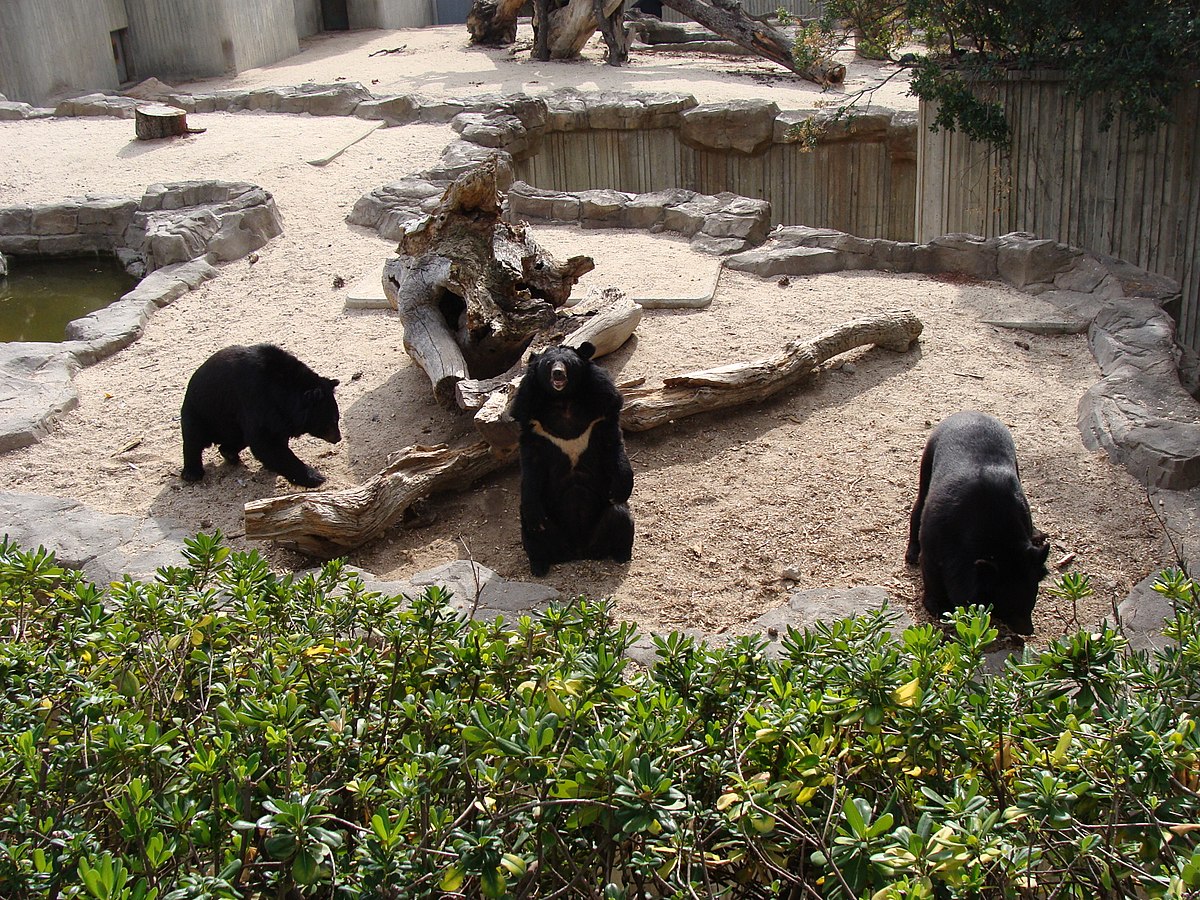
The primary driver of this decline is habitat loss. Vast tracts of tropical rainforest are frequently cleared to make way for agricultural expansion, particularly for palm oil plantations. This deforestation not only strips the orangutans of their food sources and nesting sites but also fragments their populations, making it harder for individuals to find mates and maintain genetic health.
Compounding the loss of territory is the illegal wildlife trade. The capture of young orangutans from the wild—often involving the killing of the mother—feeds a black market for exotic pets. These activities have severely curtailed the number of these gentle primates living in the wild, making captive breeding programs an essential safety net for the species.
Why Captive Births Matter
The birth of a critically endangered Borneo orangutan in a controlled environment like the Madrid Zoo Aquarium serves several vital purposes beyond the immediate joy of a new arrival. These programs are designed to maintain a “reservoir” of the species, ensuring that the lineage does not vanish even if wild conditions continue to deteriorate.
Managed breeding allows experts to monitor the health and genetic lineage of the animals, reducing the risks of inbreeding and improving the overall resilience of the captive population. Such events raise global awareness about the plight of the species, highlighting the urgent need for reforestation and stricter enforcement of laws against wildlife trafficking.
Key Threats to Borneo Orangutans
- Deforestation: Large-scale clearing of forests for commercial agriculture.
- Illegal Trade: The poaching of infants for the illegal pet market.
- Fragmentation: The breaking up of habitats, which isolates populations.
Looking Ahead: The Path to Recovery
The success in Madrid underscores the importance of international cooperation in wildlife management. However, the long-term survival of the species depends on the ability to protect the remaining wild habitats in Borneo. Conservation efforts focus on creating protected corridors and supporting sustainable land-use practices to mitigate the impact of human expansion.
As the baby orangutan grows under the care of the Madrid Zoo Aquarium staff and its mother, it stands as a living symbol of the possibility of recovery, provided that the global community continues to combat the drivers of extinction.
For those following the progress of this infant and the broader efforts to save the species, official updates from the zoo regarding the baby’s development and health milestones are the next expected checkpoints.
We invite our readers to share their thoughts on wildlife conservation in the comments below and share this story to spread awareness about the protection of critically endangered species.
Keep reading