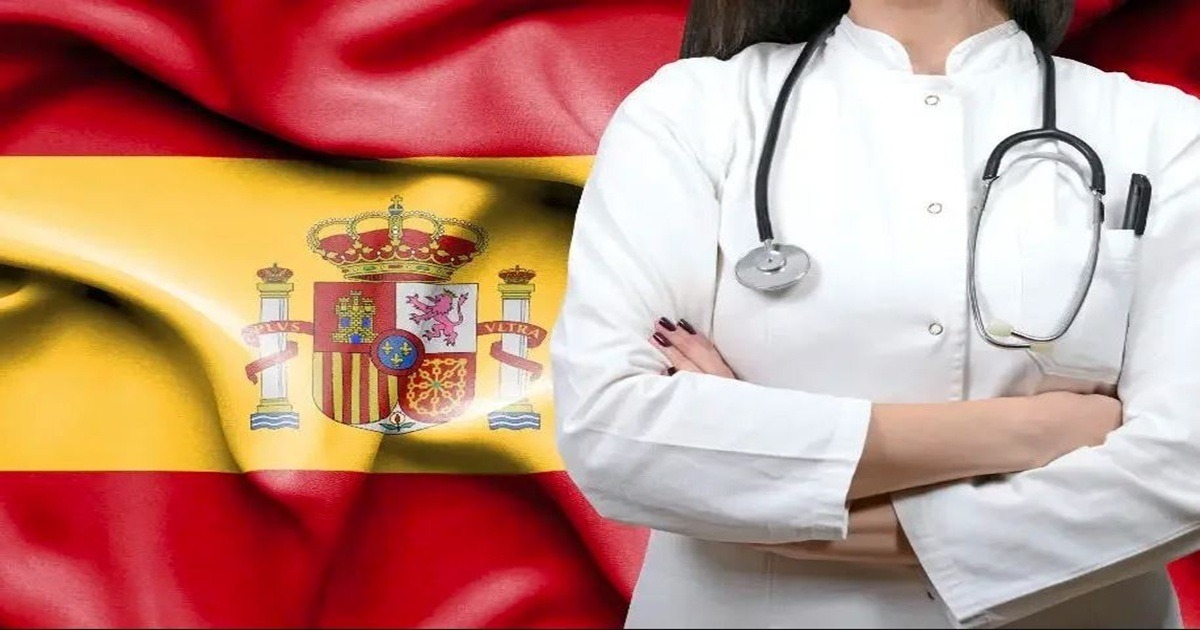
Javier Padilla, Spain’s Secretary of State for Health, has advocated for the continued maintenance of universal access to the national healthcare system. Speaking on Wednesday, April 15, 2026, Padilla emphasized the necessity of ensuring that healthcare services remain available to all individuals, regardless of their legal or administrative status.
The Secretary of State’s remarks center on the principle of universal health coverage, a cornerstone of the Spanish health model. Padilla specifically highlighted the vital contributions made by the migrant population to the sustainability and functionality of the healthcare system, arguing that the system benefits from the diversity and labor provided by these communities.
Advocating for Universal Healthcare Access
The push for universal access is designed to ensure that medical care is provided based on clinical need rather than residency or citizenship status. By defending this model, Padilla is reinforcing the position that public health is most effective when it is inclusive, preventing the marginalization of vulnerable groups which can lead to broader public health risks.
The discourse around universal access often involves balancing budgetary constraints with the human right to health. Padilla’s stance suggests a commitment to a system where the “universal” label is a functional reality, ensuring that no individual is denied essential care due to their background.
The Contribution of Migrant Populations
A key element of Padilla’s recent defense of the system is the recognition of the migrant population’s role. Beyond being recipients of care, migrants contribute significantly to the health sector both as taxpayers and as essential healthcare workers.
By reivindicating the “aporte” or contribution of migrants, the Secretary of State is addressing the socio-economic reality of the Spanish health workforce, which relies heavily on international professionals to fill critical gaps in nursing, elderly care, and specialized medicine. This perspective shifts the narrative from migrants as a “burden” on the system to migrants as a foundational pillar of its continued operation.
Broader Health Policy Initiatives in Spain
Whereas the debate over universal access continues, the Ministry of Health is simultaneously advancing other structural reforms to modernize the system. One such initiative is the focus on the evaluation of new medical tools and treatments.
The Ministry of Health expects to approve a royal decree regarding the Evaluation of Health Technologies (Evaluación de Tecnologías Sanitarias) within the current quarter. This decree is intended to streamline how new technologies are integrated into the public system, ensuring that patient access to innovation is based on rigorous evidence and cost-effectiveness.
These dual efforts—maintaining social inclusivity through universal access and improving technical efficiency through new decrees—reflect the Ministry’s current strategy to balance social equity with administrative modernization.
The next official update regarding the approval of the Health Technology Assessment decree is expected by the complete of the current quarter.
Do you believe universal healthcare models are sustainable in the face of increasing migration? Share your thoughts in the comments below.
- Paramount Pauses $111 Billion Warner Bros. Discovery Acquisition Over Lawsuits
- Sienna See Becomes “Billion-Dollar” Star: Success of Kung Fu Girls and Potential Stephen Chow Deal
- The Relationship Between Vaping and Health: Separating Fact from Alarmist Headlines (world-today-news.com)
- Affordable Food That Significantly Boosts Your Health, According to Doctor (newsdirectory3.com)