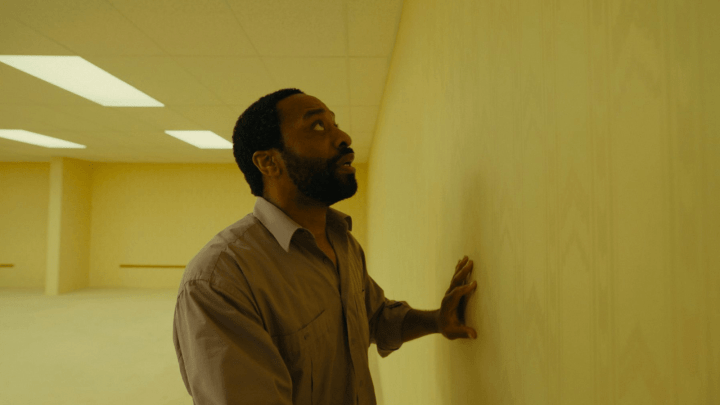
The viral internet phenomenon known as the “Backrooms”—a concept rooted in a 2019 4chan post featuring a grainy photograph of an empty, yellow-wallpapered office—has officially transitioned into a feature-length cinematic project directed by Kane Parsons. Produced by A24, the film adapts the premise of “noclip” reality, where individuals accidentally glitch out of the physical world into an endless, labyrinthine dimension. The production marks a significant expansion for Parsons, the filmmaker behind the successful YouTube series of the same name, as he brings his signature surrealist horror to a major studio environment.
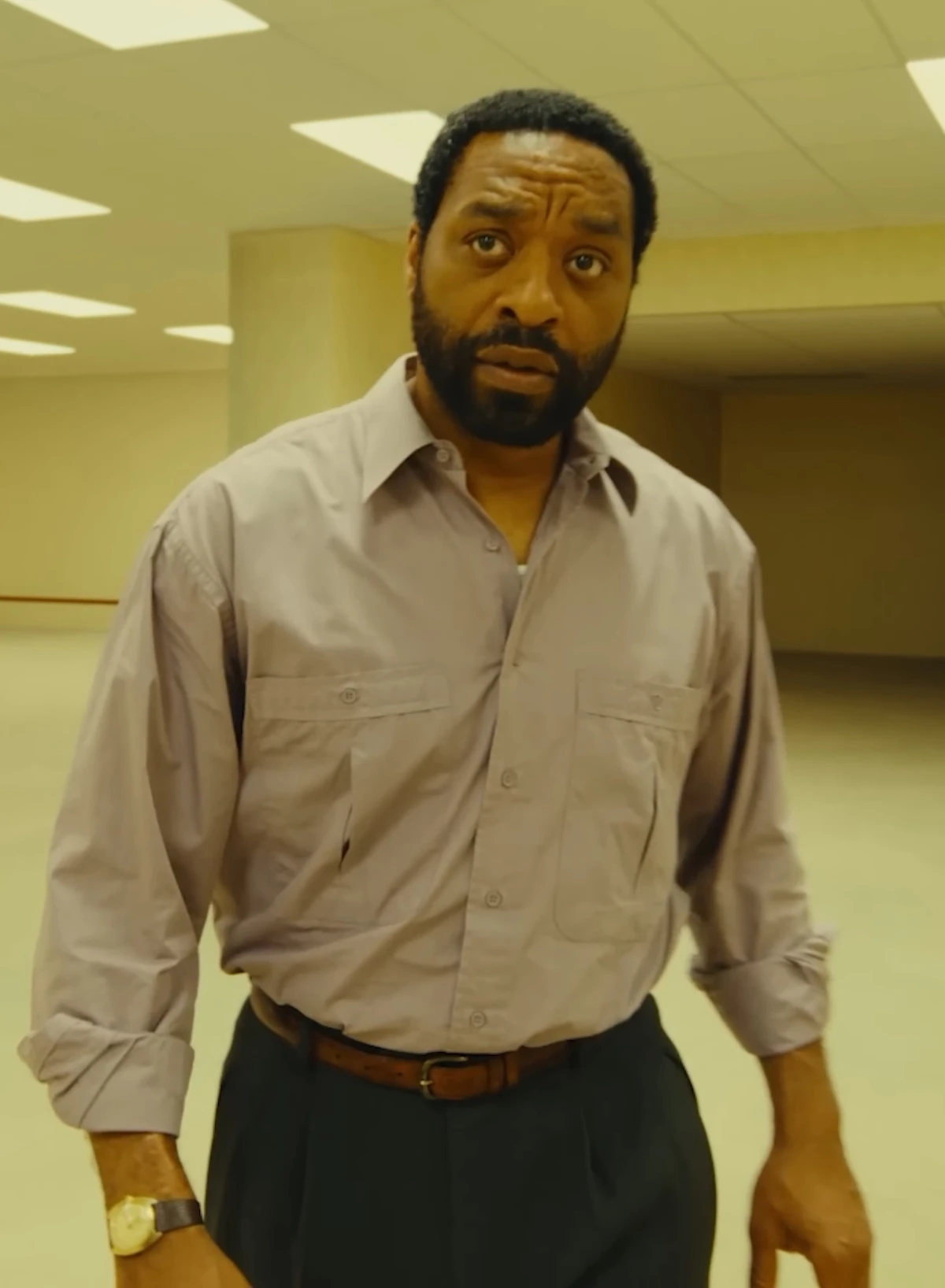
The film, titled Backrooms, features Chiwetel Ejiofor as Clark, a struggling furniture store owner, and Renate Reinsve as Dr. Mary Kline, a therapist dealing with her own complex trauma. The narrative centers on their descent into a reality-distorting office maze, using the setting as a backdrop for a deeper character study regarding personal failure, distorted memory, and psychological projection. While the project draws inspiration from the original internet lore that sparked a subculture of “liminal space” enthusiasts, the film acts as a self-contained story that emphasizes atmosphere and surreal imagery over traditional jump-scare tactics.
From Viral Short to Feature Film
Kane Parsons, a filmmaker who gained widespread attention at age 16 for his digital effects work on YouTube, has successfully navigated the transition from independent content creator to feature director. According to reporting by Variety, A24 partnered with the creator to develop the project, which utilizes a blend of practical sets and digital visual effects to maintain the uncanny aesthetic of the original videos. Unlike the digital-only assets used in his early shorts, the film incorporates physical environments designed to mimic the disjointed architecture of the Backrooms, grounding the surrealism in a tangible space.
[Credit: A24]
The film’s production structure reflects a growing trend in Hollywood where viral digital intellectual property is adapted for the silver screen. Previous internet-born horror films, such as Unfriended or the Slender Man movie, often faced criticism for their lack of depth or failure to capture the nuance of the source material. However, Parsons’ approach has been noted for his commitment to the specific “found footage” aesthetic that defined his initial work. By keeping the narrative focused on the internal struggles of Clark and Dr. Kline, the film attempts to elevate the concept beyond a simple urban legend, framing the Backrooms as a manifestation of the characters’ internal states.
The Psychological Foundation of the Backrooms
The narrative arc of Backrooms functions as a “morality play,” with the titular dimension serving as a mirror for the protagonists’ psychological flaws. Clark, portrayed as an increasingly bitter and unlikable man, views the discovery of the doorway in his store basement as an escape from his failing business and personal life. His interaction with Dr. Kline, who acts as the moral center of the film, provides the necessary contrast to his descent into obsession. According to character breakdowns provided during the film’s press cycle, Dr. Kline’s own history with an abusive and paranoid mother informs her attempts to ground Clark, though her efforts are met with consistent resistance.
[Credit: A24]
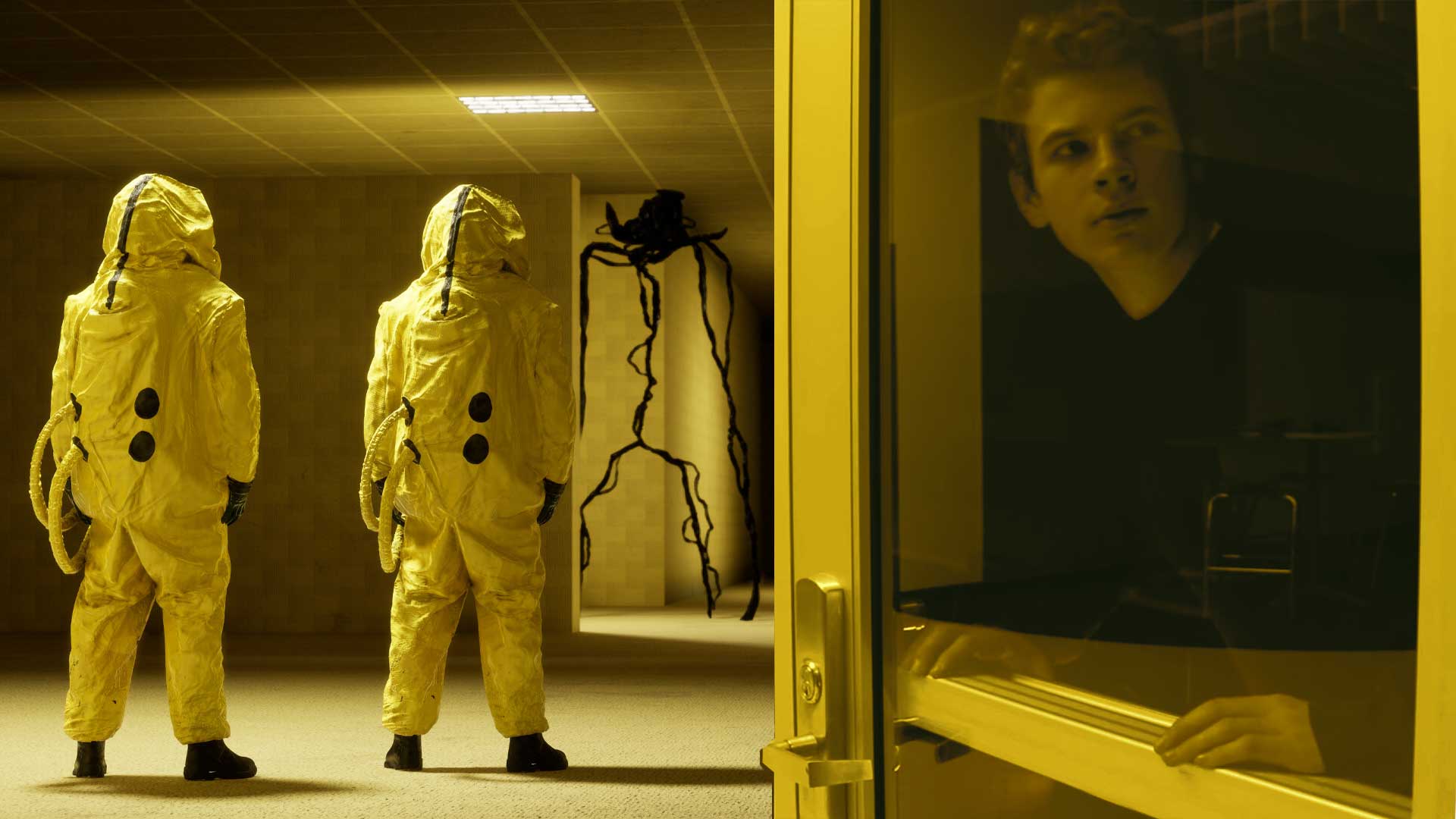
The shift in perspective during the final act is a primary stylistic choice for the film. While the initial segments follow Clark’s discovery and exploration, the focus shifts to Dr. Kline, who must navigate the surreal landscape to search for her missing patient. This perspective change allows the audience to experience the architecture of the Backrooms—described by the characters as a “distortion of reality”—through a more objective lens. The choice to focus on human drama rather than the “monsters” that populate the lore is a departure from many community-created Backrooms content, placing the film more firmly in the psychological horror genre.
Production Design and Practical Effects
A notable aspect of this adaptation is the reliance on practical sets, which the production team used to create a sense of scale previously unavailable in Parsons’ home-produced videos. By constructing the labyrinthine office space physically, the actors were able to interact with the environment in a way that creates a genuine sense of claustrophobia. The design team focused on the specific “uncanny valley” quality of the Backrooms—the feeling that a space is familiar yet fundamentally wrong. This focus on set design aims to rival iconic horror locations, such as the Nostromo from the 1979 film Alien, by creating a location that feels both historical and impossible.

[Credit: A24]
The horror in Backrooms is characterized by slow-burn tension rather than rapid-fire jump scares. By utilizing long, quiet shots and an atmosphere of mounting dread, the film attempts to mimic the pacing of classic horror cinema. The visual language of the film, which often features distorted, physically uncomfortable imagery, is designed to evoke a visceral reaction from the audience. As noted in early reviews, the film’s success hinges on whether the audience engages with the central characters’ arcs, as the “Backrooms” themselves are presented as a secondary, albeit chilling, element of the narrative.
Current Status and Audience Reception
The film is currently in its theatrical release phase, with global distribution handled by A24. For those interested in the technical progression of the project, the official A24 website provides updates on screenings and digital availability. As the film continues to reach audiences, it remains a focal point for discussions regarding the future of internet-born intellectual property in mainstream cinema. Future developments regarding the film’s home media release or potential spin-offs have not been officially confirmed by the studio, though industry analysts suggest the performance of this title will set a precedent for how studios approach similar viral content in the coming years.
Whether you have followed the Backrooms since its inception as a singular image or are new to the concept of “noclip” horror, the film provides a unique look at how digital lore can be adapted into narrative-driven cinema. Readers who have seen the film are encouraged to share their thoughts on the adaptation of the “liminal space” aesthetic in the comments section below.
Keep reading