
Pakistan is repositioning itself as an indispensable intermediary in US foreign policy, utilizing a highly transactional diplomatic strategy to bridge the gap between Washington and regional rivals. By aligning its national interests with the current administration’s focus on counterterrorism, critical minerals, and economic stability, Islamabad is attempting to transition from a former security pariah to a vital strategic partner in a shifting global order.
The evolution of Pakistan’s role in US foreign policy marks a significant departure from the tensions that defined the relationship during the previous decade. While the US-Pakistan partnership was frequently characterized by mutual suspicion and aid suspensions, the current geopolitical landscape has created a narrow but potent window for cooperation. This shift is driven by a move away from traditional “great power competition” toward a more direct, interest-based approach to diplomacy.
Central to this realignment is the ability of Pakistan to navigate the volatile interests of the United States, China, and Iran. As a nuclear-armed nation with deep-seated connections across the Muslim world, Pakistan offers a unique, if complex, platform for mediation in regional conflicts that could otherwise impact global energy markets and security.
Why has Pakistan’s standing in Washington changed?
The current rapprochement between Islamabad and Washington is rooted in a fundamental change in American strategic priorities. During the first Trump administration, the relationship faced severe setbacks, most notably when security assistance was suspended following allegations of insufficient cooperation in the fight against the Taliban. On January 1, 2018, the White House announced the suspension of hundreds of millions of dollars in security assistance, citing a lack of progress in counterterrorism efforts.

This period of friction was exacerbated by the US decision to strengthen ties with India, Pakistan’s primary regional rival. The pursuit of India as a counterweight to China’s influence in the Indo-Pacific often left Islamabad feeling marginalized in American strategic calculations. However, the current administration’s pivot toward a more transactional foreign policy has provided Pakistan with an opportunity to redefine its utility to the United States.
The transition from a “pariah” status to a partner is being facilitated by Pakistan’s ability to address specific, high-priority needs of the US government. According to analysts, the current administration’s approach avoids long-term strategic commitments in favor of immediate, tangible gains. This environment favors a country like Pakistan, which can offer specific commodities and security cooperation in exchange for economic and diplomatic support.
How does military leadership influence US-Pakistan diplomacy?
In Pakistan, the line between civilian governance and military influence remains a defining feature of the political landscape. General Asim Munir, the current Chief of Army Staff, plays a central role in shaping the country’s foreign policy and its engagement with the United States. The military establishment in Islamabad has historically been the most consistent actor in maintaining the country’s security architecture and managing relationships with major powers.

The influence of the Pakistani military is not merely domestic; it is a primary factor in how Washington interacts with the country. US policymakers recognize that any meaningful long-term agreement regarding counterterrorism or regional stability must involve the military leadership. This reality has led to a style of diplomacy where high-level military officials are increasingly central to bilateral discussions, sometimes even eclipsing civilian diplomats in terms of strategic weight.
This military-centric diplomacy is viewed through different lenses by international observers. Some see it as a way to ensure stability and continuity in a country that has experienced significant political volatility. Others point to the concentration of power within the military as a challenge to democratic processes. Regardless of the interpretation, the US must navigate the military’s significant role to achieve its own regional objectives, making the relationship with the Pakistani high command a critical component of US-Pakistan relations.
What are the “3 Cs” driving the new partnership?
To align with the transactional nature of current American diplomacy, Pakistani officials have focused on three specific pillars of cooperation, often referred to as the “3 Cs”: counterterrorism, critical minerals, and crypto-finance.
- Counterterrorism: Despite historical tensions regarding the Taliban, Pakistan remains a key player in regional security. Cooperation in tracking and extraditing militant operatives remains a cornerstone of the security relationship.
- Critical Minerals: As the United States seeks to diversify its supply chains away from China, Pakistan’s untapped reserves of rare earth elements and other essential minerals have become a significant point of interest. Agreements to secure these resources are seen as a way to provide Pakistan with economic leverage.
- Crypto and Finance: The blurring of lines between private business and state diplomacy has become more pronounced. Pakistan has sought to engage with new financial technologies and private investment vehicles that align with the personalist style of modern American leadership.
This “3 Cs” strategy represents a pragmatic attempt by Islamabad to ensure it remains relevant to the US, even as the broader geopolitical focus shifts. By focusing on these specific, high-value areas, Pakistan can bypass broader ideological disagreements and build a relationship based on mutual economic and security interests.
Can Pakistan maintain its role as a regional mediator?
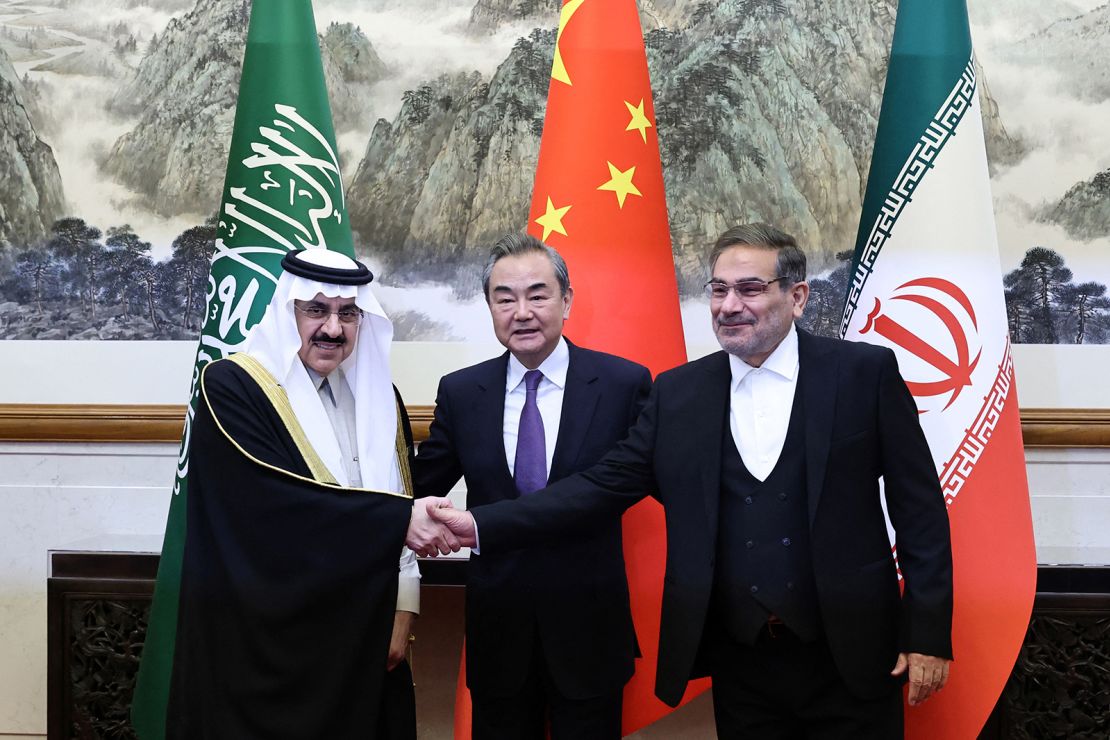
Pakistan’s most ambitious diplomatic goal is to serve as a bridge between the United States and regional actors, particularly Iran. The country’s ability to host high-level talks and facilitate ceasefires depends on its ability to maintain credibility with all sides. This is a delicate balancing act, as Pakistan must manage its “unbreakable” friendship with China while simultaneously deepening its economic ties with the West.
The stakes for Pakistan are exceptionally high. The nation is highly vulnerable to regional instability due to its reliance on maritime trade routes. Pakistan imports approximately two-thirds of its natural gas and a significant portion of its total imports through the Strait of Hormuz. Any conflict that disrupts this waterway could trigger a domestic economic crisis, characterized by surging food and fuel prices.
Furthermore, the risk of being drawn into a larger conflict is a constant concern for Islamabad. As Pakistan strengthens its defense ties with other regional powers, such as Saudi Arabia, it faces the challenge of ensuring that its mediation efforts do not inadvertently commit the country to a side in a wider conflict.
As noted by Elizabeth Threlkeld, director of the South Asia program at the Stimson Center, Pakistan has proven adept at managing a complex web of alliances, but the country remains vulnerable to external shocks. The success of Pakistan’s diplomatic maneuvering will ultimately depend on whether it can deliver the stable, predictable outcomes that the current US administration demands.
The effectiveness of Pakistan’s mediation will be tested in the coming months as regional tensions persist and the US continues to recalibrate its presence in South Asia. Observers will be watching for any official updates regarding upcoming bilateral security summits or new trade memoranda concerning critical minerals.
What are your thoughts on Pakistan’s evolving role in global diplomacy? Share this article and join the conversation in the comments below.
Worth a look