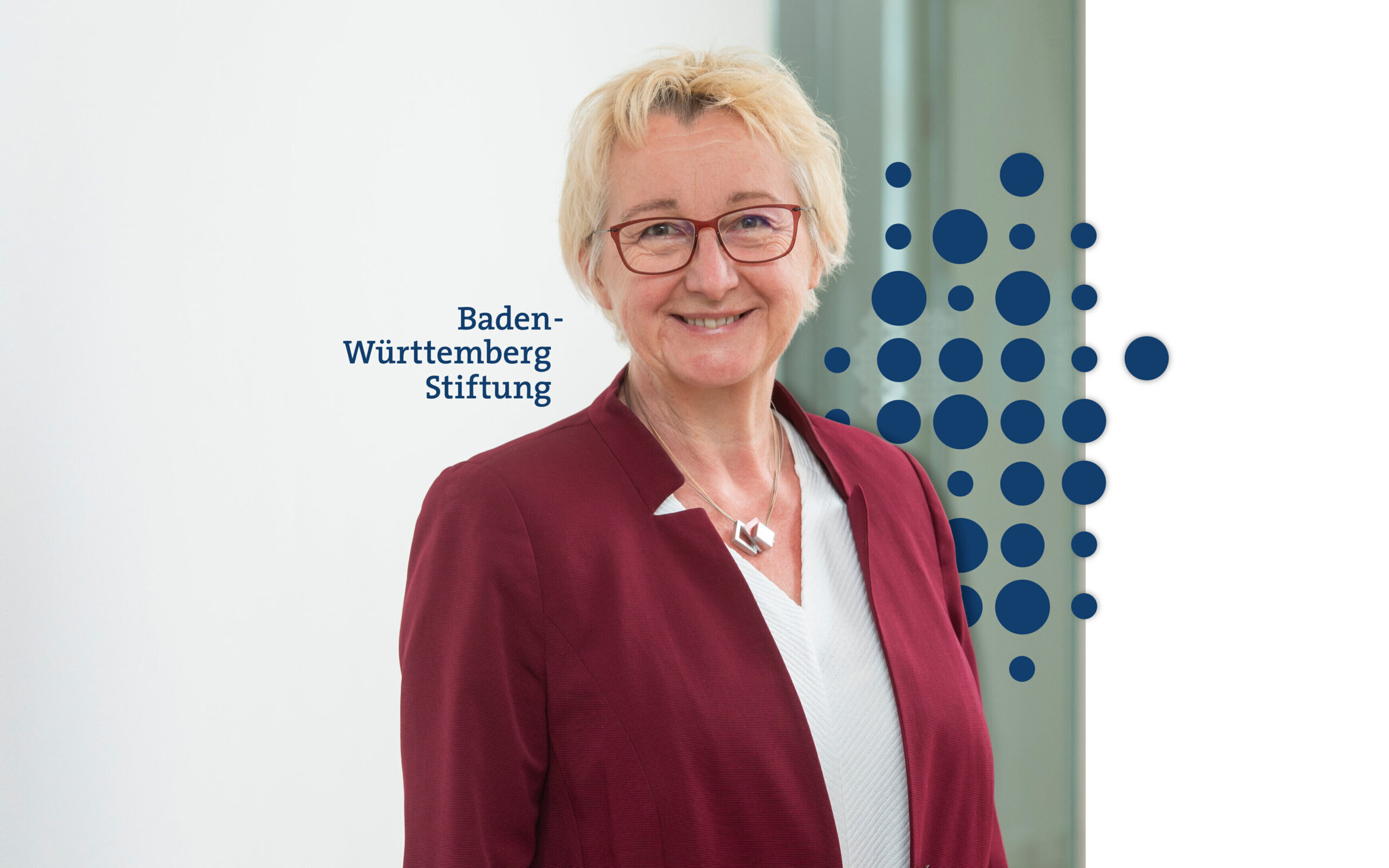
Stuttgart, Germany – The Baden-Württemberg Foundation (BW Stiftung) is undergoing a significant overhaul aimed at modernizing its structure and sharpening its focus, a move prompted by a 2023 evaluation report commissioned by former Federal Minister of Education and Research, Annette Schavan. The reforms, now gaining momentum, seek to reduce political influence within the foundation’s governing bodies and streamline its operations, ensuring resources are directed towards impactful regional initiatives. This shift reflects a broader conversation about the role of foundations in a rapidly changing landscape and the require for greater transparency and efficiency in philanthropic endeavors.
For a quarter of a century, the BW Stiftung has been a cornerstone of Baden-Württemberg’s civic and cultural life, funded by the proceeds from the sale of state-owned shares in EnBW, a major energy company. Established in 2000, the foundation has distributed millions of euros to support projects in education, science, and society. However, recent scrutiny, spearheaded by Schavan’s evaluation, highlighted areas for improvement, particularly concerning the composition of its oversight board and the clarity of its strategic priorities. The foundation’s evolution is now being closely watched as a potential model for other regional foundations seeking to enhance their effectiveness and relevance.
Restructuring the Foundation’s Leadership
The most visible change will be a reduction in the size of the foundation’s supervisory board, shrinking from 18 to 15 members. Previously dominated by government ministers and parliamentarians, the board will now include a more diverse representation, comprising the state’s premier, four ministers, five members of parliament, and five individuals drawn from civil society, business, and cultural sectors. This move, approved by the state parliament’s finance committee, aims to inject fresh perspectives and reduce the perception of undue political control. Winfried Kretschmann, the current state premier, expressed his support for the changes, stating, “I am pleased that the path is now paved,” according to reports from the Staatsanzeiger.
In addition to the board restructuring, the foundation is also abolishing its advisory council (Kuratorium), which, despite being intended as a source of expert advice, had never been convened. Theresia Bauer, the current CEO of the BW Stiftung and a former Green Party science minister, explained that there were “quality reasons” for this lack of activity, suggesting the structure was not effectively serving its purpose. Instead, the foundation will establish specialized advisory committees for major campaigns, allowing for more focused and relevant input. This streamlining of advisory structures is intended to improve the efficiency of decision-making and ensure that projects align with the foundation’s strategic goals.
Refocusing Funding Priorities
The “Schavan Commission” didn’t limit its recommendations to governance. The foundation is also undergoing a re-evaluation of its funding priorities, with a renewed emphasis on strengthening civil society and promoting democratic values. Bauer has indicated that the BW Scholarship program will be brought in-house, ending its reliance on external service provider BW International, a move intended to improve efficiency and reduce administrative costs. “It’s now running leaner, more efficient, with fewer people,” Bauer stated, as reported by the Stuttgarter Zeitung.
A key aspect of this refocusing involves a clearer distinction between the main foundation and its two subsidiaries: “Kinderland,” which supports initiatives for children, and the Climate Protection Foundation, established in 2021. The Climate Protection Foundation, in particular, is shifting its focus towards projects within Baden-Württemberg, prioritizing initiatives such as moorland restoration and agroforestry projects in the region, rather than funding projects in the Global South. This regional emphasis reflects a desire to maximize the impact of the foundation’s resources within its home state.
Becoming a Hub for Dialogue and Engagement
Beyond its role as a grant-making organization, Theresia Bauer envisions the BW Stiftung as a vibrant hub for dialogue and collaboration. The foundation plans to host public events, such as a planned discussion with the Staatsanzeiger on responsible journalism, and facilitate “workshop talks” to foster connections and generate innovative solutions to pressing societal challenges. Recently, the foundation invited participants from the state’s strategy dialogues, demonstrating a commitment to engaging with key stakeholders and contributing to policy development. This emphasis on engagement underscores Bauer’s ambition to transform the foundation into a dynamic platform for addressing critical issues facing Baden-Württemberg.
Opposition Concerns and Ongoing Debate
Despite the momentum behind the reforms, the changes have not been without criticism. The Social Democratic Party (SPD) has long been skeptical of the foundation, having opposed its creation following the 2000 sale of EnBW shares. Sascha Binder, a deputy parliamentary group leader for the SPD, expressed concerns that the reduced size of the supervisory board would underrepresent the parliament. He also questioned the validity of the Schavan Commission’s recommendations, arguing that the foundation should not become a “self-service shop” for projects that do not fit within the state budget. Binder called for a further reduction in the number of government representatives on the board to ensure greater independence and accountability.
Annette Schavan, who served as both Federal Minister for Education and Research and Minister for Cult, Youth and Sport in Baden-Württemberg, initiated the evaluation process in 2023. According to her Wikipedia entry, Schavan’s doctoral degree was later revoked in 2013, but her work on the BW Stiftung evaluation remains influential. Annette Schavan’s Wikipedia page provides further details on her career and background.
Theresia Bauer remains undeterred by the opposition’s concerns and is committed to fostering a more inclusive and collaborative approach. “I aim for to invite dialogue and craft the foundation a place where discussions take place,” she stated, signaling her determination to navigate the challenges and realize her vision for a modernized and impactful BW Stiftung.
The next key step in the foundation’s transformation will be the implementation of the revised governance structure and the rollout of the new funding priorities. The foundation is expected to announce details of its upcoming funding rounds in the coming months, providing further clarity on its strategic direction. Readers interested in learning more about the BW Stiftung and its initiatives are encouraged to visit its official website (currently unavailable, but expected to be updated following the reforms) and engage in the ongoing conversation about the future of philanthropy in Baden-Württemberg.
What are your thoughts on the restructuring of the Baden-Württemberg Foundation? Share your comments below and join the discussion.
Worth a look