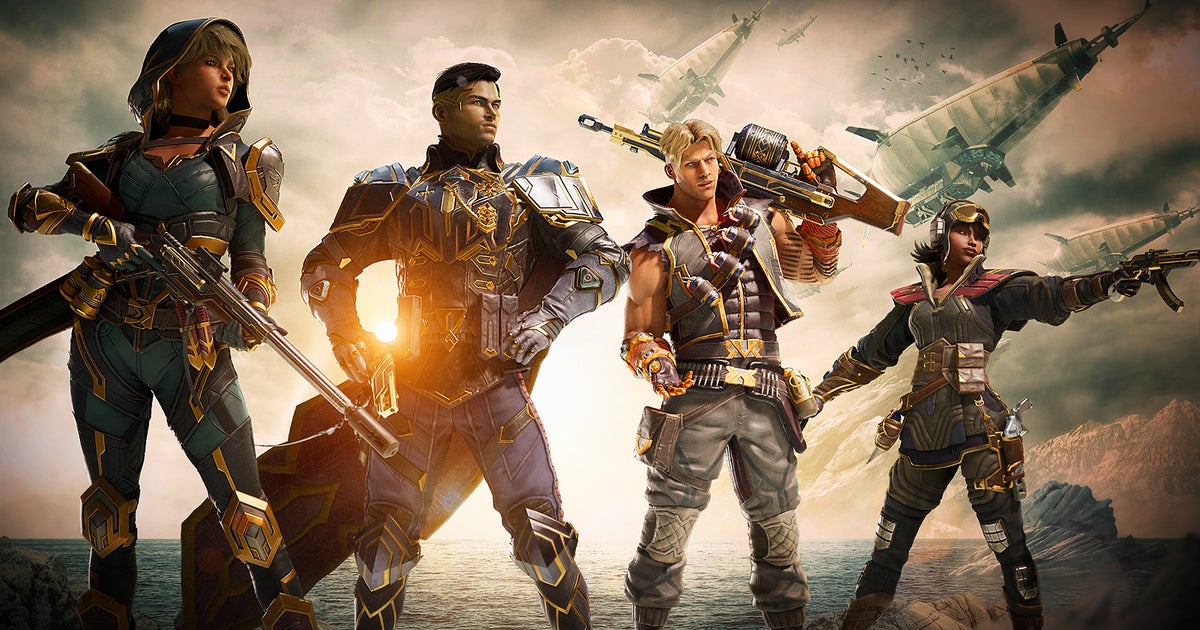
Los Angeles, CA – February 19, 2026 – The future of the PvP shooter Highguard remains uncertain as developer Wildlight attempts to quell growing concerns about the game’s viability. Despite a recent content patch aimed at reinvigorating player interest, the studio is facing scrutiny over a website outage and reports of significant layoffs, leading many to question whether the game is on the brink of closure. The situation highlights the challenges faced by emerging game developers in a competitive market, and the delicate balance between ambition and execution.
The newly released update, deployed overnight, introduces several features designed to enhance the gameplay experience. Players can now construct bases within an airship environment, utilize a lockpick raid tool, and access a wider selection of cosmetic items in the in-game store, including a unique mount resembling an owlbear – dubbed the Moonbruin – and outfits themed around the Iron Vigil faction. However, these additions have done little to alleviate the anxieties of a community increasingly worried about the long-term prospects of Highguard.
The concerns stem from a series of setbacks that have plagued the game since its launch. Most recently, the official Highguard website went offline, remaining inaccessible for an extended period. While Wildlight has downplayed the issue, attributing it to a necessary, albeit “low priority,” transfer and simplification process, the timing has fueled speculation about a potential shutdown. According to a statement shared on the game’s Discord server by Wildlight staff member WL_Coronach, and subsequently screenshot by CharlieIntel, the website issue is acknowledged, but the studio believes the “reputational damage [is] already done” and that focusing on content updates is the priority. The screenshot of the Discord exchange provides a direct glimpse into the studio’s internal assessment of the situation.
Layoffs and Funding Concerns Cast a Shadow
The website outage follows a wave of layoffs at Wildlight earlier this month, further intensifying the sense of unease among players. The company previously stated that a “core group of developers” would remain to support Highguard, and that the game was not about to close, according to a statement provided to Eurogamer. However, the scale of the layoffs has raised doubts about the studio’s ability to sustain development and provide ongoing support. The situation is particularly concerning given the game’s troubled launch and initial reception.
Adding another layer of complexity, a recent report from Game File revealed that Highguard was predominantly funded by Tencent, a Chinese multinational technology and entertainment conglomerate. This revelation challenges the narrative of Wildlight as an independent studio, a framing that founder Dusty Welch had previously emphasized. The report suggests that Wildlight, despite being presented as an indie developer, was a relatively large company with over 100 employees prior to the layoffs. The funding structure raises questions about the level of creative control Wildlight had over the project and the expectations placed upon it by its primary investor.
The game’s journey to release was fraught with difficulties. Despite a high-profile announcement at The Game Awards in December, Highguard remained largely invisible until its January launch. This lack of visibility, coupled with a lukewarm reception from players and critics, contributed to the game’s struggles. Former developers have described the launch as a disaster, stating, “We were turned into a joke from minute one,” as reported by Eurogamer. This candid assessment paints a picture of a project plagued by internal issues and external pressures.
A Pedigree of Talent, a Troubled Execution
Highguard arrived with considerable pedigree, boasting a development team with experience on acclaimed titles such as Titanfall and Apex Legends. This background led to initial expectations of a polished and innovative PvP experience. However, the game failed to live up to the hype, with players citing issues such as technical glitches, unbalanced gameplay, and a lack of compelling content. The combination of these factors contributed to a dwindling player base and a growing sense of disillusionment within the community.
The current situation underscores the inherent risks associated with game development, particularly in the increasingly competitive AAA and live-service space. The industry is known for its high failure rate, and even projects with significant funding and experienced teams can struggle to gain traction. The case of Highguard serves as a cautionary tale about the importance of effective marketing, community engagement, and a clear vision for the game’s long-term development.
The Impact of Tencent’s Investment
The revelation of Tencent’s significant financial backing adds a new dimension to the Highguard story. Tencent has become a major player in the global gaming industry, investing in numerous studios and titles. While such investment can provide crucial resources and support, it can also come with expectations of rapid growth and profitability. The pressure to deliver a return on investment may have contributed to the rushed launch and subsequent struggles of Highguard. It’s important to note that Tencent’s involvement doesn’t automatically spell doom for the game, but it does raise questions about the level of autonomy Wildlight had in shaping its creative direction.
The situation also highlights the broader trend of consolidation within the gaming industry, with larger companies acquiring or investing in smaller studios. While this can provide stability and resources, it can also lead to a loss of independence and creative control. The case of Highguard raises concerns about the potential impact of these trends on the diversity and innovation within the gaming landscape.
What’s Next for Highguard?
Despite the challenges, Wildlight remains publicly committed to supporting Highguard. The recent content patch and assurances from studio staff suggest that the developers are not yet ready to abandon the project. However, the long-term viability of the game remains uncertain. The studio’s ability to regain player trust and address the underlying issues that have plagued Highguard will be crucial to its survival.
The immediate future hinges on several factors, including the resolution of the website outage, the continued development of new content, and the studio’s ability to effectively communicate with its community. Players will be closely watching to see whether Wildlight can deliver on its promises and turn the tide for Highguard. The next official update from Wildlight is expected in early March, where they are anticipated to address community concerns and outline their plans for the game’s future.
As of February 19, 2026, the official Highguard website remains offline. Players can identify the latest updates and engage with the community on the game’s Discord server. The situation serves as a stark reminder of the volatility of the gaming industry and the challenges faced by developers striving to create compelling and sustainable live-service experiences.
What do you think about the future of Highguard? Share your thoughts in the comments below, and be sure to share this article with your fellow gamers.