The 2026 British Academy Film Awards (BAFTAs) were overshadowed this weekend not by the winners – including Robert Aramayo’s Best Actor win for “I Swear” – but by an incident involving John Davidson, a guest whose life with Tourette syndrome inspired the nominated film. Davidson involuntarily uttered a racial slur during the live broadcast, sparking immediate controversy and a wave of criticism directed at both the BBC, for failing to censor the moment, and BAFTA, for its handling of the situation. The incident has ignited a debate about the complexities of navigating disability, public platforms, and the impact of unfiltered expression, raising questions about empathy, accountability, and the speed of reaction in the age of social media.
“I Swear,” a film exploring Davidson’s experiences living with Tourette’s, had been a focal point of the evening, offering a rare and intimate portrayal of the condition. Tourette syndrome is a neurological disorder characterized by involuntary, repetitive movements or vocalizations known as tics. These tics can manifest in various ways, including involuntary swearing, known as coprolalia, though it’s important to note that coprolalia affects only a minority of individuals with Tourette’s. The film’s nomination and Davidson’s presence at the awards were intended to raise awareness and foster understanding of the challenges faced by those living with the condition. However, the evening took an unexpected turn when Davidson’s tics became audible during the broadcast, and later, resulted in the utterance of a highly offensive racial slur.
The Incident and Initial Response
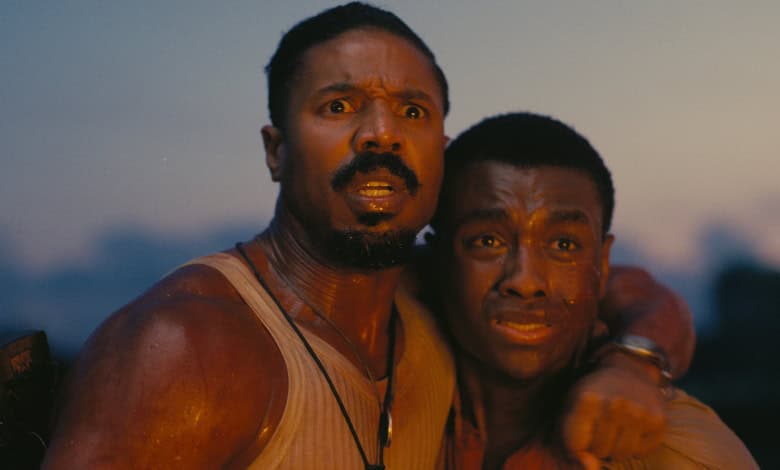
Host Alan Cumming initially addressed the audience, acknowledging the strong language heard during the early segments of the present. He explained that Davidson’s outbursts were a manifestation of his Tourette’s, emphasizing the importance of compassion and understanding. “You may have noticed some strong language in the background,” Cumming stated, as reported by Variety. “This can be part of how Tourette’s syndrome shows up for some people as the film explores that experience…Thanks for your understanding and helping create a respectful space for everyone.” However, the situation escalated when Davidson uttered the N-word whereas actors Michael B. Jordan and Delroy Lindo were presenting an award. The BBC, despite having a two-hour delay for broadcast, did not bleep the offensive term, leading to widespread condemnation.
Cumming issued a second apology later in the show, but the damage was already done. The incident quickly spread across social media, prompting a strong reaction from celebrities and commentators alike. Jamie Foxx publicly denounced the outburst as “unacceptable,” according to the Daily Mail. Actor Wendell Pierce criticized BAFTA for not prioritizing an apology to Jordan and Lindo, stating, “It’s infuriating that the first reaction wasn’t complete and full throated apologies to Delroy Lindo and Michael B. Jordan. The insult to them takes priority. It doesn’t matter the reasoning for the racist slur.”
Fallout and Criticisms of the Broadcast
The lack of immediate censorship by the BBC drew significant criticism. Hannah Beachler, the production designer for “Sinners,” expressed her disappointment with the handling of the situation, stating that she heard the slur multiple times during the ceremony and felt the subsequent apology was inadequate. “Of course we were offended,” Beachler said, as reported by The Wrap. “But our frequency, our spiritual vibration is tuned to a higher level than what happened…I am not steal [sic], this did not bounce off of me, but I exist above it.” Delroy Lindo himself reportedly expressed his disappointment that no one from BAFTA had personally followed up with him after the incident, according to Variety.
The incident has sparked a broader conversation about the complexities of Tourette’s syndrome and the challenges faced by individuals living with the condition. While acknowledging the involuntary nature of Davidson’s outbursts, many argue that the severity of the slur necessitates a stronger response and a more proactive approach to preventing similar incidents in the future. The debate also touches upon the role of broadcasters in censoring offensive language and the balance between protecting free speech and safeguarding against harm. The National Institute of Neurological Disorders and Stroke (NINDS) defines Tourette Syndrome as a condition that typically becomes apparent during childhood or adolescence, characterized by both motor and vocal tics. More information about Tourette’s Syndrome can be found on the NINDS website.
Context and the “Woke” Debate
Some commentators have framed the backlash as an example of “woke” culture, arguing that the focus on the slur overshadows the context of Davidson’s condition. This perspective suggests that the outrage is disproportionate and fails to acknowledge the involuntary nature of his tics. However, critics of this view contend that the historical weight and harmful impact of the N-word cannot be dismissed, regardless of the circumstances. The incident highlights the ongoing tension between acknowledging individual circumstances and upholding standards of social responsibility. The debate echoes similar controversies surrounding the use of offensive language, such as the backlash faced by Morgan Wallen after using a racial slur in 2021, as noted in Hollywood in Toto.
The situation is further complicated by the fact that the response to offensive language can be inconsistent. Comparisons have been drawn to other instances where individuals have used the N-word, with some arguing that the consequences vary depending on the perpetrator’s status and the context of the utterance. For example, reports regarding Hunter Biden’s use of the slur in private texts, as reported by the New York Post, sparked a different level of public outcry.
Looking Ahead
The BAFTA incident has prompted a reevaluation of protocols for live broadcasts and a renewed discussion about the responsibilities of broadcasters and event organizers in handling potentially offensive content. The BBC has issued an apology for failing to bleep the slur, acknowledging the distress it caused. The organization is likely to review its procedures for censoring live broadcasts to prevent similar incidents from occurring in the future. BAFTA has not yet released a comprehensive statement addressing the criticisms leveled against it, but is expected to provide further clarification on its handling of the situation in the coming days.
The long-term impact of this incident remains to be seen. It is likely to fuel ongoing debates about the intersection of disability, free speech, and social responsibility. The incident also underscores the importance of empathy and understanding when navigating complex situations involving individuals with neurological conditions. As of February 23, 2026, BAFTA has not announced any specific changes to its event protocols, but a review is anticipated. The focus now shifts to how the organization and the BBC will address the concerns raised by those affected and prevent similar incidents from happening again.
The conversation surrounding this event is far from over. It serves as a stark reminder of the power of language and the importance of creating inclusive and respectful spaces for all. The incident also highlights the require for greater awareness and understanding of Tourette’s syndrome and the challenges faced by those living with the condition.
Key Takeaways:
- John Davidson’s involuntary use of a racial slur during the BAFTAs sparked widespread controversy.
- The BBC faced criticism for failing to censor the offensive term during the live broadcast.
- The incident has ignited a debate about the complexities of navigating disability, public platforms, and the impact of unfiltered expression.
- BAFTA and the BBC are expected to review their protocols for handling potentially offensive content.
- The event underscores the importance of empathy and understanding when addressing complex situations involving neurological conditions.
Stay tuned to World Today Journal for further updates on this developing story and the ongoing discussions surrounding the BAFTA incident. We encourage you to share your thoughts and perspectives in the comments below.
Worth a look