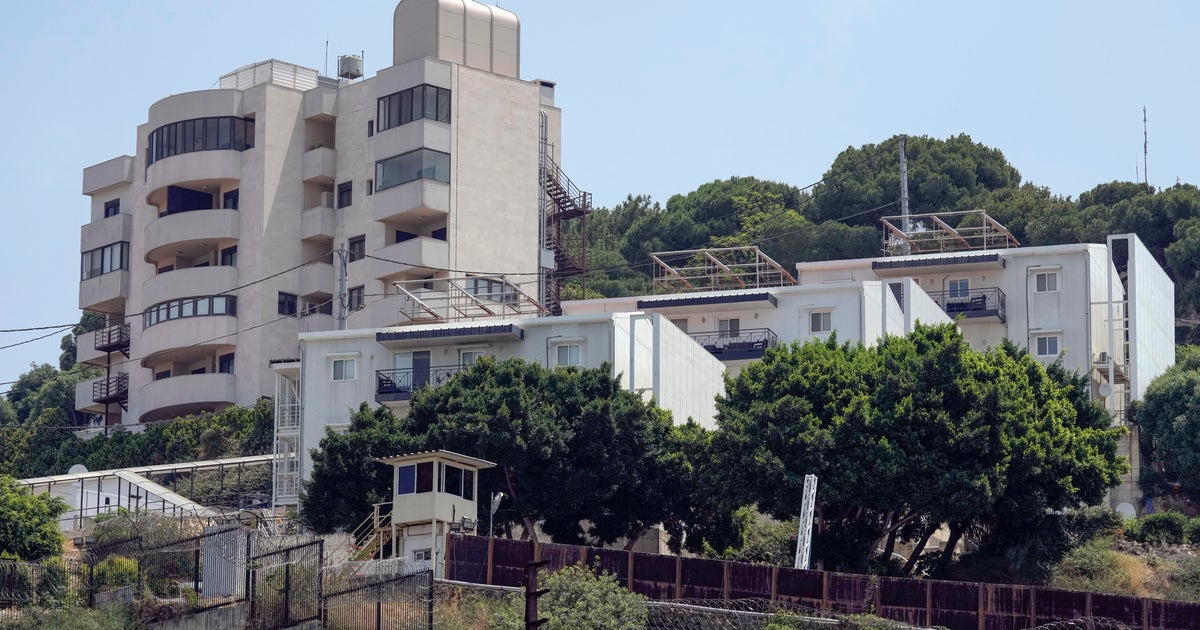
U.S. Embassy in Beirut Reduces Staff Amid Rising Regional Tensions
Beirut, Lebanon – The U.S. Department of State has ordered the departure of non-emergency personnel and eligible family members from the U.S. Embassy in Beirut, Lebanon, as regional tensions escalate, particularly concerning potential conflict with Iran. The move, confirmed by senior State Department officials, is a precautionary measure to ensure the safety of American personnel while maintaining essential diplomatic functions. This decision reflects a growing concern over the volatile security situation in Lebanon and the broader Middle East, fueled by ongoing proxy conflicts and heightened rhetoric between the United States and Iran.
The reduction in staff is described as temporary, with core embassy functions remaining operational. According to a senior State Department official, the decision was made following a continuous assessment of the security environment. “We continuously assess the security environment, and based on our latest review, we determined it prudent to reduce our footprint to essential personnel,” the official stated. Approximately 50 embassy staff are affected by the order, though the embassy will continue to provide critical services to U.S. Citizens and advance U.S. Interests in Lebanon.
Escalating U.S.-Iran Tensions Drive Security Concerns
The State Department’s decision comes against a backdrop of increasing tensions between the U.S. And Iran. These tensions stem from a variety of factors, including Iran’s nuclear program, its regional influence, and recent incidents in the Persian Gulf. The buildup of U.S. Military assets in the region, as reported by multiple news outlets, further underscores the seriousness of the situation. The potential for miscalculation or escalation remains a significant concern for Washington and its allies. Indirect talks between the U.S. And Iran, mediated by Oman, are scheduled to take place in Geneva, with the director general of the International Atomic Energy Agency also expected to participate, according to reports from Iranian and Omani foreign ministers.
Lebanon itself is a key arena in this geopolitical struggle. The presence of Hezbollah, a powerful Iranian-backed militia and political party, adds another layer of complexity to the security landscape. Hezbollah’s extensive network and military capabilities pose a direct challenge to U.S. Interests and the stability of the region. The group has been involved in numerous conflicts with Israel and maintains close ties with the Iranian regime. The U.S. State Department designated Hezbollah as a terrorist organization in 1997.
Diplomatic Efforts and Potential for Conflict
While the U.S. Has expressed a willingness to engage in diplomacy with Iran, the possibility of military action has not been ruled out. Former President Trump had previously indicated he was considering a limited strike on Iran following attacks on oil tankers and other incidents in the region. Although President Biden has signaled a desire to return to the 2015 nuclear deal, negotiations have stalled, and tensions remain high. The current administration has maintained a firm stance against Iran’s destabilizing activities in the region, including its support for proxy groups like Hezbollah.
The upcoming talks in Geneva represent a crucial opportunity to de-escalate tensions and find a diplomatic solution to the impasse over Iran’s nuclear program. U.S. Envoy Steve Witkoff and Jared Kushner are expected to represent the U.S. In these discussions. However, Iran has warned that negotiations will not continue if military action is taken against it. “Does it make sense that they strike against us and we preserve negotiating with them?” said Esmail Baghaei, a spokesperson for Iran’s foreign ministry, on Monday, highlighting the Iranian government’s firm position.
U.S. Diplomatic Engagement in the Region
Alongside the efforts to engage with Iran, the U.S. Is also reinforcing its alliances in the region. Secretary of State Antony Blinken is expected to travel to Israel in the coming days to discuss the evolving security situation and reaffirm U.S. Commitment to Israel’s security. While the exact date of the visit has been subject to change, multiple sources indicate it will occur early next week. This visit underscores the importance of close coordination with Israel, a key U.S. Ally in the Middle East, in addressing the challenges posed by Iran and its proxies.
The decision to reduce staff at the Beirut embassy is not unique. The U.S. Has taken similar measures at other diplomatic facilities in the region in response to perceived threats. These actions reflect a broader effort to protect American personnel and interests in a volatile and unpredictable environment. The State Department continuously monitors the security situation in Lebanon and will adjust its posture as necessary to ensure the safety of its employees.
Impact on U.S. Operations in Lebanon
While the embassy will remain open and continue to provide essential services, the reduction in staff will inevitably impact the scope of U.S. Operations in Lebanon. Consular services, economic assistance programs, and political engagement may be affected by the reduced personnel levels. However, the State Department has emphasized its commitment to maintaining a strong diplomatic presence in Lebanon and supporting the country’s stability and sovereignty. The U.S. Continues to provide significant economic and security assistance to Lebanon, aimed at addressing the country’s economic crisis and strengthening its security forces.
The Lebanese government is facing a multitude of challenges, including a severe economic crisis, political instability, and the ongoing threat of terrorism. The U.S. Has urged Lebanese leaders to implement necessary reforms to address the country’s economic woes and ensure a stable and prosperous future. The departure of non-emergency personnel from the U.S. Embassy underscores the complex and challenging environment in which the U.S. Is operating in Lebanon.
The situation remains fluid and unpredictable. The outcome of the talks in Geneva and the broader trajectory of U.S.-Iran relations will have significant implications for the region. The U.S. Will continue to monitor the situation closely and perform with its allies to promote stability and prevent further escalation. The State Department has not announced a timeline for the return of non-emergency personnel to Beirut, indicating that the situation will be assessed on an ongoing basis.
As the situation evolves, the U.S. Embassy in Beirut will continue to provide updates and guidance to U.S. Citizens in Lebanon. Travel advisories and security alerts can be found on the State Department’s website. The U.S. Remains committed to the security and stability of Lebanon and will continue to work with the Lebanese government and people to address the challenges facing the country.
The next key development to watch will be the outcome of the indirect talks between the U.S. And Iran in Geneva. The results of these discussions will likely shape the trajectory of U.S.-Iran relations and the broader security landscape in the Middle East. Readers are encouraged to follow updates from credible news sources and the U.S. State Department for the latest information.
Keep reading