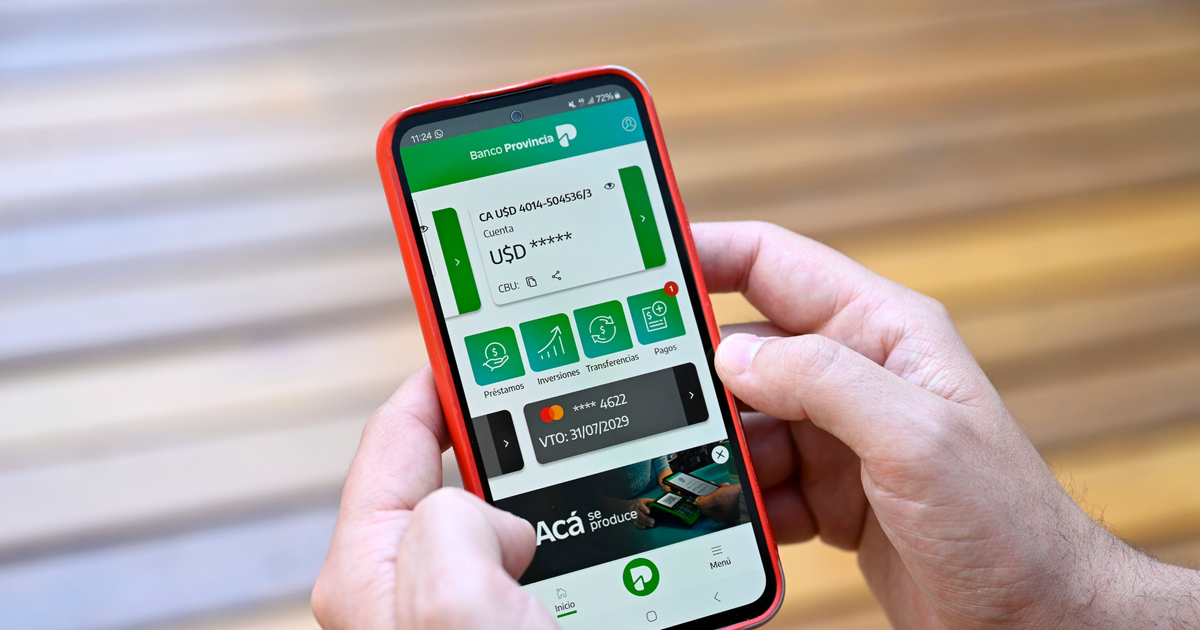
Argentina’s Banco Provincia has taken a significant step forward in digital banking by launching a virtual Visa card that enables immediate use and contactless payments, marking a notable advancement in the province’s financial inclusion efforts. The card, accessible through the bank’s mobile app, allows users to generate a virtual Visa number instantly upon approval, eliminating the wait for physical delivery. This development aligns with broader trends in Latin America toward digitizing financial services, particularly in regions where access to traditional banking infrastructure remains uneven. For customers, the ability to make secure, contactless transactions without a physical card offers both convenience and enhanced security, especially in an era where digital payments are increasingly preferred.
The virtual card is integrated with Banco Provincia’s Cuenta DNI, a free digital wallet and account platform that has gained widespread adoption across Buenos Aires Province since its launch in 2020. Cuenta DNI, which requires no minimum balance or monthly fees, now serves over 9 million users, according to the bank’s latest public reports. By linking the virtual Visa card directly to this account, Banco Provincia enables seamless transactions for everyday purchases, online shopping, and bill payments, all without the need for a physical card. The initiative reflects the bank’s strategy to leverage existing digital infrastructure to expand access to modern payment tools, particularly among younger users and those in underserved communities.
Security features embedded in the virtual card include dynamic CVV codes that change periodically and the ability to freeze or unfreeze the card instantly via the app, reducing the risk of fraud. Users can also set spending limits and receive real-time transaction alerts, features that have become standard in competitive digital banking offerings across the region. According to Banco Provincia’s official communications, the virtual Visa card supports both domestic and international transactions where Visa is accepted, further enhancing its utility for users who travel or make cross-border purchases. The bank emphasizes that all transactions are protected under Visa’s zero-liability policy, providing users with recourse in case of unauthorized use.
The launch comes amid growing demand for contactless payment solutions in Argentina, a trend accelerated by the pandemic and sustained by rising smartphone penetration and improved mobile internet access. Data from the Central Bank of Argentina shows that digital transactions accounted for over 60% of all retail payments in 2023, up from roughly 40% in 2020. Virtual cards, in particular, have seen rapid adoption due to their immediacy and reduced risk of loss or theft compared to physical cards. Financial analysts note that Banco Provincia’s move positions it as a leader in public-sector digital innovation, especially as private fintechs and traditional banks continue to compete for market share in the digital wallet space.
How to Access the Virtual Visa Card
To obtain the virtual Visa card, users must first have an active Cuenta DNI account, which can be opened entirely online through the Banco Provincia app or website using a national ID (DNI) and a selfie for verification. Once the account is verified, users can navigate to the “Tarjetas” section within the app and select the option to generate a virtual Visa card. Approval is typically instantaneous, and the card details — including the 16-digit number, expiration date, and dynamic CVV — are immediately available for use. There is no cost associated with issuing or maintaining the virtual card, and users can generate a new card number at any time if needed for added security.
The bank advises users to ensure their app is updated to the latest version to access the feature, and notes that the virtual card can be added to digital wallets such as Google Pay and Samsung Pay for contactless in-store payments. Whereas Apple Pay compatibility has not been explicitly confirmed in official materials, the card’s adherence to Visa tokenization standards suggests it may be supported on iOS devices through third-party wallet integration, though users are encouraged to verify directly with their device provider. For those without smartphones, Banco Provincia continues to offer physical debit and credit cards through its branch network, ensuring accessibility across all user segments.
Impact on Financial Inclusion and Digital Economy
Banco Provincia’s virtual Visa card initiative contributes to Argentina’s broader goals of reducing reliance on cash and expanding access to formal financial services. According to a 2023 report by the World Bank, approximately 30% of adults in Argentina remain unbanked or underbanked, with higher rates in rural and low-income urban areas. By offering a no-fee, instantly accessible payment tool tied to a widely used digital account, the bank helps bridge this gap, particularly for young people, informal workers, and those who may lack documentation required for traditional credit products.
The initiative also supports the province’s economic development strategy, which emphasizes digital transformation as a driver of growth. Buenos Aires Province, the most populous and economically significant in Argentina, has invested heavily in digital infrastructure, including expanded broadband access and digital literacy programs. Financial inclusion experts suggest that tools like the virtual Visa card can stimulate local commerce by enabling more efficient transactions for small businesses and informal vendors, many of whom now accept digital payments via QR codes or point-of-sale terminals linked to Cuenta DNI.
the environmental benefits of reducing plastic card production and distribution are notable. While not the primary driver of the initiative, the shift to virtual cards aligns with global sustainability efforts in the financial sector. Visa has reported that its global network issued over 3.5 billion physical cards in 2022, contributing to plastic waste and carbon emissions from manufacturing and shipping. By promoting virtual alternatives, banks like Banco Provincia help reduce this footprint, especially when adopted at scale.
Verification and Official Sources
Details about the virtual Visa card’s features, eligibility, and integration with Cuenta DNI were confirmed through Banco Provincia’s official website and press releases published in early 2024. The bank’s announcement regarding the launch of the 100% digital Visa card with immediate use was verified via its institutional news portal, which outlines the card’s compatibility with contactless payments and its availability to Cuenta DNI holders. Additional context on Cuenta DNI’s user base and functionality was drawn from the bank’s quarterly financial reports and public disclosures, which are regularly updated and accessible to the public.
Statistics on digital payment adoption in Argentina were sourced from the Central Bank of Argentina’s monthly reports on payment systems, which provide detailed breakdowns of transaction volumes by method, including transfers, debit cards, credit cards, and emerging digital wallets. These reports are considered authoritative sources for tracking financial innovation trends in the country. The World Bank’s data on financial inclusion in Argentina was referenced from its Global Findex database, a widely cited biennial survey that measures access to financial services across over 140 economies.
As of now, Banco Provincia has not announced any fees associated with the virtual Visa card, nor has it indicated plans to charge for replacements or usage limits. The bank continues to promote the card as a free benefit for Cuenta DNI users, reinforcing its commitment to accessible digital banking. Users seeking the most current information are advised to consult the official Banco Provincia app or website, where updates to features, security protocols, or compatibility are regularly posted.
Looking ahead, the next official update from Banco Provincia regarding its digital services is expected in its quarterly financial report, typically released within 45 days after the end of each calendar quarter. The bank has not scheduled any public hearings or regulatory filings specifically tied to the virtual card launch, but any future changes to terms, fees, or features would be communicated through its standard customer notification channels. For now, the virtual Visa card remains a live, actively promoted feature within the Cuenta DNI ecosystem.
For readers interested in learning more about digital banking innovations in Latin America or tracking developments in Argentina’s financial sector, following Banco Provincia’s official communications and the Central Bank of Argentina’s publications provides reliable, up-to-date insights. As digital payments continue to evolve, initiatives like this virtual Visa card highlight how public institutions can play a pivotal role in shaping inclusive, secure, and modern financial systems.
We welcome your thoughts on this development. Have you used Banco Provincia’s virtual Visa card or similar digital payment tools? Share your experience in the comments below, and feel free to share this article with others who may find it useful.