Thailand’s Inflation Trends: A Deep Dive into Current Conditions and Future Outlook
Thailand is currently experiencing a period of disinflation, marked by falling prices, but the economic landscape is complex. Recent data reveals a nuanced picture, influenced by global factors, government policies, and evolving consumer behavior. This article provides a comprehensive analysis of the current inflation situation, potential future trends, and what it means for you.
Recent Inflation Data: A Closer Look
Headline inflation in November registered a negative 0.49% year-on-year decrease, reaching 100.5 according to the Commerce Ministry. This marks the eighth consecutive month of negative inflation, primarily driven by declining energy costs and government initiatives aimed at easing the financial burden on citizens.However, it’s not a simple story of falling prices across the board.
Interestingly, food and beverage prices experienced a slight uptick after three months of decline. This was largely due to increases in the cost of fresh vegetables and prepared meals. For the first eleven months of the year,overall headline inflation decelerated by 0.12% compared to the previous year.
Core Inflation: A Signal of Underlying Demand
While headline inflation captures the broad price changes, core inflation – which excludes volatile food and energy prices – offers a clearer view of underlying demand. In November, core inflation rose 0.66% from October, and increased 0.86% for the first eleven months of the year. This suggests a degree of resilience in the economy, despite the overall disinflationary trend.
Looking Back: 2025’s Inflation Performance
The Trade Policy and Strategy Office (TPSO) projects a full-year inflation decrease of 0.15-0.2% for 2025. This would represent the first negative inflation rate since 2020, when the COVID-19 pandemic significantly disrupted economic activity.
Short-Term Forecasts: December and Beyond
December inflation is anticipated to fall within the range of 0.48-1.08%. Recent severe flooding in southern Thailand has had a limited impact on overall prices, but concerns remain regarding potential price increases in specific sectors.
Specifically, the price of fresh vegetables could rise by 15-20% for a month, while single-dish meals might see a 10-20% increase. These localized impacts highlight the vulnerability of the food supply chain to weather events.
The Role of Consumer Confidence and Stimulus
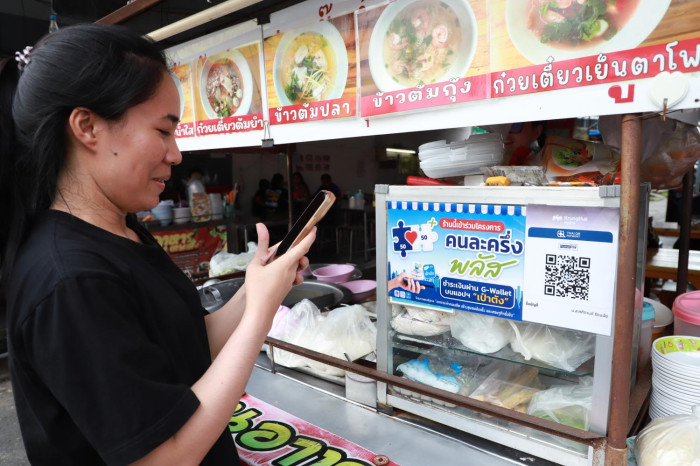
government initiatives, such as the “Khon la Khrueng Plus” co-payment program, have demonstrably boosted consumer confidence in recent months. Further stimulus measures and long-term strategies to reduce the cost of living could further stimulate household demand and contribute to inflationary pressures. You can expect to see continued government focus on these areas.
2026 Outlook: anticipating a Positive Turn
looking ahead to 2026, inflation is expected to fall between 0-1.0%.This forecast is based on several key assumptions:
* GDP growth of 1.2-2.2%
* Average Dubai crude oil prices of $60-70 per barrel
* An average exchange rate of 32-33 baht per dollar
The first quarter of 2026 is projected to see positive inflation,driven by higher crop prices and a resurgence in the tourism sector. The tourism industry is expected to attract 34.9 million foreign visitors, generating 2.79 trillion baht in revenue. This influx of tourism will likely lead to increased demand and prices for goods and services.
Headwinds to Inflation: Factors to Watch
Despite the optimistic outlook, several factors could exert downward pressure on inflation:
* Falling global crude oil prices
* Ongoing government measures to reduce the cost of living
* Slower-than-expected economic growth
* Increased competition from cheaper imports
* Appreciation of the Thai baht
What This Means for You
Understanding these inflation trends is crucial for both businesses and consumers.For businesses, it’s crucial to carefully manage pricing strategies and supply chain costs. For you, as a consumer, it means being mindful of spending habits
Worth a look