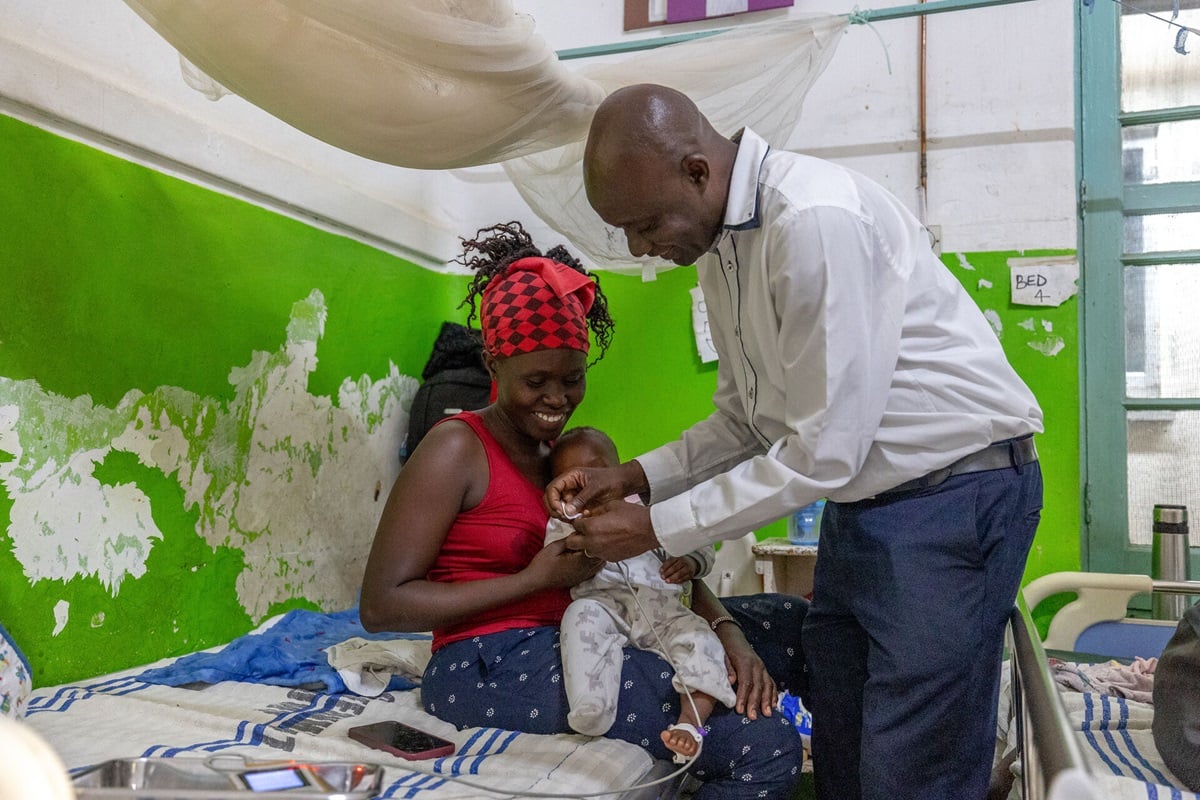
The Fight Against Malaria: A Resurgent Threat and the Path to Elimination
Malaria remains one of the world’s most devastating infectious diseases, despite decades of concerted global effort. Recent data paints a concerning picture: in 2024, an estimated 282 million cases resulted in 610,000 deaths – a significant increase of roughly 9 million cases compared to the previous year. This reversal of progress underscores the complex and evolving challenges facing malaria elimination,demanding renewed commitment,innovative strategies,and sustained investment.
A Crisis Concentrated in Africa
The burden of malaria is overwhelmingly concentrated in the WHO African Region, accounting for 95% of all deaths. Tragically, the vast majority of these fatalities occur among children under the age of five, highlighting the vulnerability of this population and the urgent need for preventative measures and accessible treatment.This disproportionate impact necessitates a focused, regionally-tailored approach to intervention.
The growing Threat of drug Resistance
A key driver of this resurgence is the escalating threat of antimalarial drug resistance. The emergence of partial resistance to artemisinin derivatives – the cornerstone of modern malaria treatment following the failures of older drugs like chloroquine and sulfadoxine-pyrimethamine – is especially alarming. confirmed or suspected resistance has now been documented in at least eight African countries, with early indications suggesting a decline in the effectiveness of combination therapies utilizing artemisinin. This erosion of treatment efficacy threatens to undo years of progress and necessitates the rapid progress and deployment of novel antimalarial drugs.
Beyond Drug Resistance: A Multifaceted Challenge
The challenges extend beyond drug resistance. Several converging factors are hindering malaria control efforts:
* Diagnostic Complications: The prevalence of malaria parasites with deletions in the pfhrp2 gene is undermining the reliability of rapid diagnostic tests, possibly leading to misdiagnosis and inappropriate treatment.
* Insecticide resistance: Confirmed pyrethroid resistance in 48 countries is diminishing the effectiveness of insecticide-treated nets (ITNs), a crucial preventative measure.
* Invasive Mosquito vectors: The spread of Anopheles stephensi mosquitoes – known for their resistance to common insecticides – into nine African countries poses a significant threat to urban malaria control. This vector’s adaptability and aggressive biting behavior require specialized control strategies.
* Climate Change: shifts in temperature and rainfall patterns are altering mosquito habitats and transmission dynamics, leading to increased outbreaks in previously unaffected areas.
* Conflict and Instability: Ongoing conflicts and political instability disrupt health services, limiting access to diagnosis, treatment, and preventative measures.
* Funding Shortfalls: Global funding for malaria control has plateaued over the past decade, falling far short of the US$9.3 billion target set by the Global technical strategy for malaria 2016-2030. In 2024, only US$3.9 billion was invested, severely limiting the reach of life-saving interventions. Recent cuts in Official Development Assistance (ODA) have further weakened health systems and jeopardized planned malaria surveys and intervention campaigns.
The Path Forward: Innovation, Investment, and Collaboration
Despite these formidable challenges, the vision of a malaria-free world remains achievable. Though, realizing this vision requires a concerted, multi-pronged approach:
* Accelerated Drug Development: The development of new antimalarial drugs with novel mechanisms of action is paramount. The recent approval of Ganaplacide-Lumefantrine, the first non-artemisinin combination therapy, represents a significant breakthrough and a promising step forward.
* Strengthened Surveillance and Monitoring: Robust surveillance systems are essential for tracking drug resistance patterns, identifying emerging threats, and guiding targeted interventions.
* Integrated Vector management: A comprehensive approach to vector control,including the use of innovative insecticides,improved ITN distribution,and environmental management strategies,is crucial.
* Increased Funding and Lasting Investment: Closing the funding gap is critical. Increased investment from both public and private sources is needed to support research, development, and implementation of effective malaria control programs.
* Contry Ownership and Regional Collaboration: Malaria-endemic countries must maintain their political commitment to ending malaria deaths, as outlined in the Yaoundé Declaration. Regional collaboration and knowledge sharing are essential for addressing cross-border challenges.
* Leveraging the “Big Push” Initiative: Unity and coordinated action under the Big Push initiative will help the global malaria community mitigate current and future threats.
A Call to Action
The World Malaria report serves as a stark reminder that complacency is not an option. The fight against malaria requires sustained commitment, innovative solutions, and a collaborative spirit. By prioritizing research, investing in prevention and treatment, and strengthening health systems, we can reverse the current trend and move closer to a future free from the
- Does AI Hinder Learning? How Guided AI Tools Can Preserve Human Skills
- The Dangers of AI Fitness Coaches: Injuries and Body Dysmorphia Risks
- Qatar Reports Progress in Diplomatic Efforts to End US-Iran Conflict (archyworldys.com)
- US and Qatar Report Progress on Iran Ceasefire and Hormuz Strait Reopening (time.news)