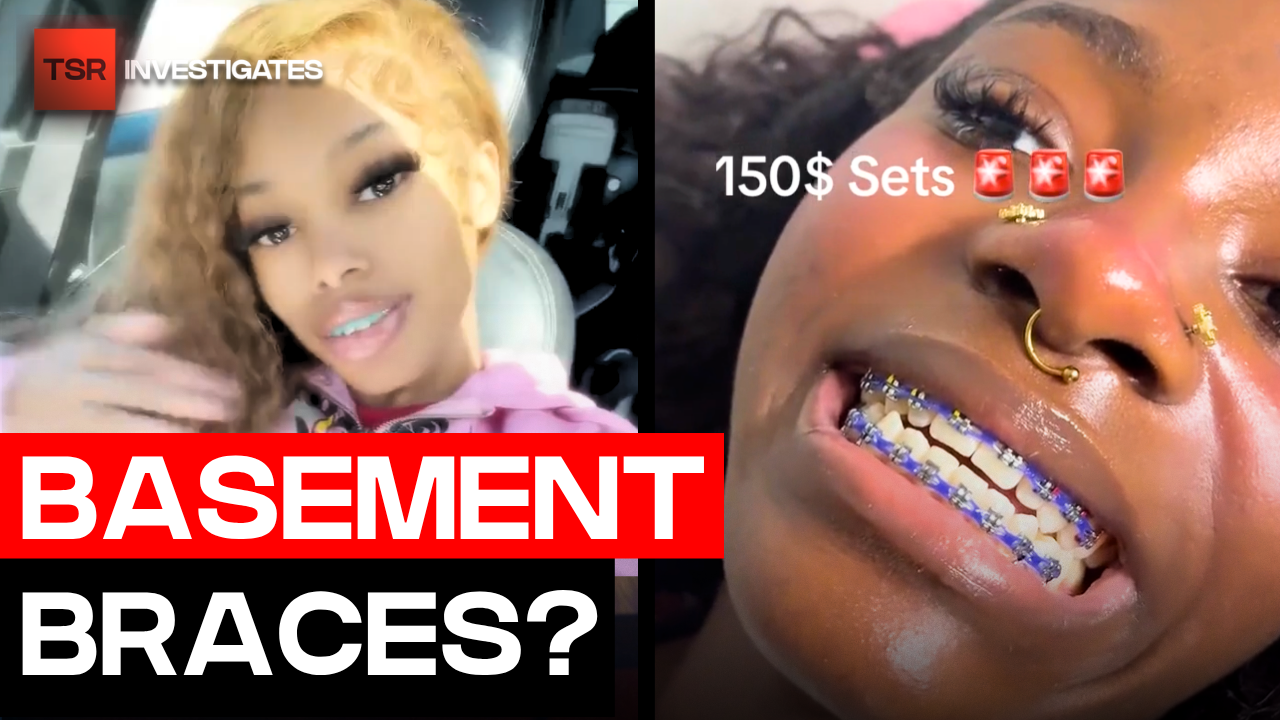
Unlicensed individuals are increasingly offering “basement braces”—cosmetic dental procedures performed outside of clinical settings for a fraction of the cost of professional orthodontic care. These services, which typically range from $120 to $300, pose significant risks to patients, including permanent tooth loss, gum disease, and long-term structural damage to the jaw, according to dental professionals. While these providers market themselves on social media as affordable alternatives to traditional orthodontics, they lack the medical training and sterilization standards mandated for licensed practitioners.
The rise of these unregulated services has drawn scrutiny from the medical community, as patients report complications ranging from persistent pain to the rapid shifting of teeth once the illicitly applied hardware fails. For those considering these procedures, the American Association of Orthodontists (AAO) maintains that orthodontic treatment is a complex medical process that requires a comprehensive physical examination, diagnostic imaging, and ongoing clinical supervision to ensure safety and long-term health.
Scroll above to watch as Angelica details her experience working with clients. Additionally, she opens up about what her procedure is when clients encounter pain or bleeding. Furthermore, Carter even sits down with reality TV star and board-certified dentist Dr. Heavenly Kimes, who shares her thoughts on the dangerous practice.
The Risks of Unregulated Orthodontic Work
The primary concern regarding “basement braces” is the lack of professional oversight. Unlike licensed orthodontists, who must complete years of specialized graduate training and pass board examinations to practice, individuals performing these procedures in non-clinical settings often lack the medical background to identify underlying dental issues. According to the American Dental Association (ADA), improper movement of teeth can lead to root resorption, where the roots of the teeth shorten, potentially resulting in premature tooth loss.

Furthermore, the equipment used in these environments often fails to meet the stringent sterilization protocols required by state dental boards. Unsterile tools introduce a high risk of infection, which can spread rapidly through the bloodstream or cause localized abscesses. Dr. Heavenly Kimes, a board-certified dentist, has noted that the force applied by improperly installed brackets can cause irreversible damage to the periodontal ligament, the tissue that connects the tooth to the bone.
Understanding the Cosmetic Appeal vs. Medical Reality
Many clients seek out these unlicensed services for cosmetic reasons, hoping for a quick fix for gaps or minor alignment issues. Cherrae Wilson, a client who spoke about her experience, noted that she initially sought the procedure for the cosmetic look. However, the results were temporary; once the hardware was removed, the teeth reverted to their original positions. This is a common outcome when teeth are moved without the stabilization and retention phases that are standard in professional orthodontic treatment plans.

The price point—often between $120 and $300—is significantly lower than the $5,000 or more typically charged by licensed orthodontists. However, dental experts warn that the cost of correcting the damage caused by “basement braces” often far exceeds the price of professional treatment. Corrective measures can include root canals, gum grafting, and in severe cases, dental implants to replace teeth lost due to improper force or chronic infection.
How to Verify a Dental Provider
Patients are urged to prioritize safety by ensuring their provider is licensed and in good standing. In the United States, all dental professionals must be licensed by the state board of dentistry in the jurisdiction where they practice. Consumers can verify a dentist’s credentials through their state’s official Department of Consumer Affairs or Board of Dentistry website. This verification process allows patients to confirm that the practitioner has completed the necessary accredited education and is subject to the ethical and safety regulations of the profession.
If you or someone you know has experienced complications from an unlicensed dental procedure, it is recommended to seek an evaluation from a licensed dentist or oral surgeon immediately. Keeping the area clean and avoiding any attempts to remove the hardware at home is essential to preventing further injury before professional intervention can take place.
As this trend continues to circulate on platforms like TikTok, regulatory bodies and public health officials are expected to increase monitoring efforts. Check back for further updates as more information regarding legal actions and public health advisories becomes available. We encourage readers to share their thoughts or experiences in the comments below to help raise awareness about the importance of seeking professional dental care.