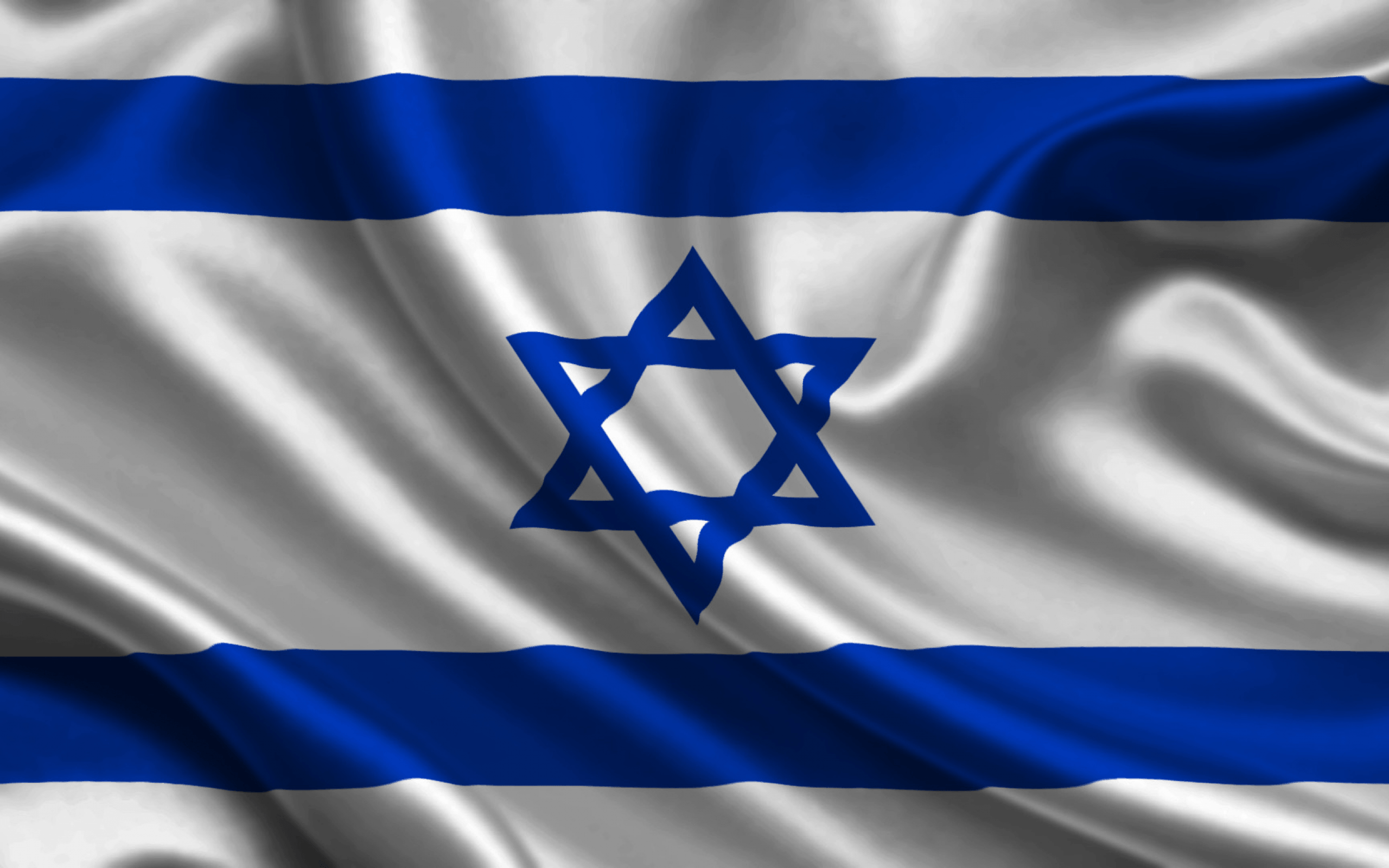
A U.S.-brokered cease-fire between Israel and Hezbollah came into effect early Wednesday, marking a significant pause in over a year of hostilities along the Israel-Lebanon border. The agreement, which seeks to end the most intense conflict between the two sides since 2006, requires both parties to halt military operations while establishing a framework for the withdrawal of forces from southern Lebanon, according to the White House.
The cessation of hostilities follows intensified diplomatic efforts led by the United States and France. Israeli officials confirmed they have halted offensive operations, while the Lebanese government and Hezbollah have signaled adherence to the terms of the deal. The agreement is intended to facilitate the return of displaced civilians on both sides of the border and restore stability to the region.
Terms of the Cease-Fire Agreement
The deal functions as a phased implementation plan overseen by an international monitoring committee led by the United States. Under the terms, the Israeli military is required to withdraw from southern Lebanon over a period of 60 days, while the Lebanese Armed Forces (LAF) take control of the territory, according to the terms published by Reuters. Hezbollah is prohibited from maintaining a military presence south of the Litani River, a provision that aligns with United Nations Security Council Resolution 1701.

The agreement also grants Israel the right to act against imminent threats if the Lebanese military fails to enforce the agreement, a clause that remains a point of contention for Lebanese officials. The United States has provided a side letter to Israel acknowledging this right to self-defense, as reported by the New York Times. For its part, Lebanon has emphasized that the deal preserves its national sovereignty and security.
Diplomatic Efforts and the Iran Deal Context
Diplomats have worked to frame this cease-fire not only as a bilateral solution but as a mechanism to preserve broader regional stability, particularly regarding the status of the 2015 Iran nuclear deal, formally known as the Joint Comprehensive Plan of Action (JCPOA). While the Lebanon conflict is distinct from the nuclear negotiations, analysts suggest that de-escalation on the northern front reduces the leverage Iran maintains through its regional proxies, according to analysis from the Carnegie Endowment for International Peace.

The Biden administration has framed the success of these negotiations as a test for regional diplomacy. By securing a truce that involves Hezbollah—an organization backed by Tehran—the U.S. aims to decouple regional proxy conflicts from the stalled nuclear talks. However, experts note that the durability of the deal remains fragile, as it depends on the ability of the Lebanese army to assert authority in areas previously controlled by Hezbollah, according to the Council on Foreign Relations.
Impact on Displaced Populations
The most immediate effect of the truce is the return of civilians to their homes. According to data from the UNHCR, the conflict has displaced over 900,000 people in Lebanon and tens of thousands in northern Israel. The cessation of airstrikes and artillery fire allows for the assessment of infrastructure damage, which is extensive in southern Lebanese border villages.
Humanitarian aid organizations are now prioritizing the delivery of food, water, and medical supplies to affected areas. The United Nations Interim Force in Lebanon (UNIFIL) is expected to play a role in coordinating the safe return of civilians, though the agency has faced significant challenges in maintaining its positions during the active fighting phase, as noted in recent UNIFIL mission updates.
What Happens Next
The next critical checkpoint is the full deployment of the Lebanese Armed Forces to the southern border regions, a process intended to take place over the coming weeks. The international monitoring committee is scheduled to meet periodically to address potential breaches of the agreement and ensure that both Israel and Hezbollah remain in compliance with the established timeline.

The success of this cease-fire will be measured by the absence of rocket fire from Lebanon and the gradual withdrawal of Israeli ground forces. Observers are also watching for any signs of political fallout within the Israeli government, where the agreement has faced criticism from some coalition members who argue it does not sufficiently guarantee long-term security. Updates regarding the monitoring committee’s findings will be released through official diplomatic channels as they become available.
As this situation remains fluid, we will continue to provide updates. Please share your thoughts or questions in the comments section below.