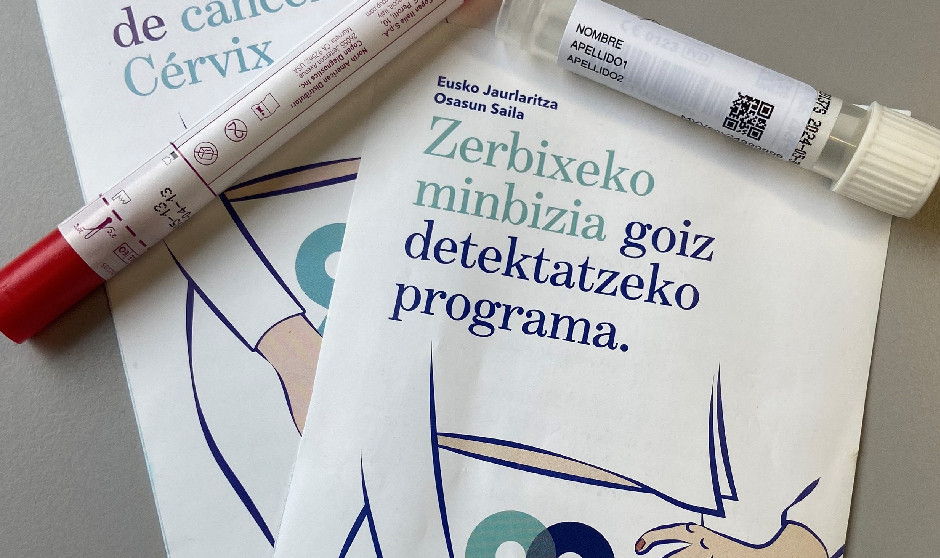
The Basque Country region of Spain is poised to become a pioneer in cervical cancer screening with the upcoming launch of a pilot program offering women over 30 the option of self-collecting samples for Human Papillomavirus (HPV) testing. This innovative approach, spearheaded by Osakidetza, the Basque Health Service, aims to increase participation in crucial cancer prevention efforts by removing barriers to access and prioritizing patient convenience. The initiative, announced on March 4, 2026, underscores a growing global trend toward patient-centered healthcare and the utilization of at-home testing for early disease detection.
Cervical cancer, even as largely preventable, remains a significant public health concern worldwide. The primary cause is persistent infection with high-risk types of HPV, a common sexually transmitted infection. Regular screening, traditionally performed by a healthcare professional, allows for the identification of precancerous changes in the cervix, enabling timely intervention and significantly reducing the risk of developing invasive cancer. Still, factors such as time constraints, discomfort with traditional procedures and geographical limitations can hinder participation in screening programs. This modern self-sampling method directly addresses these challenges, offering a more accessible and private option for women.
Expanding Access to Cervical Cancer Screening in the Basque Country
The pilot program will initially focus on approximately 1,500 women in the Donostialdea and Tolosaldea areas of Gipuzkoa who have not previously participated in the region’s cervical cancer screening program. According to Osakidetza, these women will receive a personalized invitation letter outlining the opportunity to utilize the self-sampling method. Alongside the letter, participants will receive a comprehensive kit containing all necessary materials for sample collection: a swab, a sterile tube for sample deposit, and a sealed container for return. Detailed instructions will be included to ensure accurate and reliable results. The program is expected to run for three months, with plans for progressive expansion throughout Gipuzkoa, Araba, and Bizkaia following a successful initial phase.
This initiative aligns with the strategic oncology goals outlined in the Basque Health Pact and the Euskadi Oncology Plan 2025-2030, demonstrating a commitment to advancing cancer prevention and treatment within the region. The project represents a significant investment in public health infrastructure and a proactive approach to reducing the incidence of cervical cancer among the Basque population. The Basque government’s Department of Health and Osakidetza are collaborating closely to ensure a smooth and effective implementation of the program.
How Self-Sampling Works: A Simple and Reliable Process
The self-sampling process is designed to be straightforward and non-invasive. Women will be able to collect their own vaginal sample in the privacy of their homes, following the clear instructions provided with the kit. The collected sample is then returned to a designated healthcare center for analysis. Osakidetza emphasizes that the self-sampling method has been scientifically validated and demonstrates comparable reliability to samples collected by healthcare professionals. This assurance is crucial for building trust and encouraging widespread adoption of the program. Results will be communicated to participants through established channels, such as SMS messaging or direct phone contact.
The implementation of this program comes on the heels of International HPV Awareness Day, observed annually on March 4th. Raising awareness about HPV and its link to cervical cancer is a critical component of prevention efforts. The World Health Organization (WHO) estimates that HPV causes approximately 70% of cervical cancer cases globally. The WHO advocates for comprehensive strategies, including HPV vaccination, screening programs, and access to treatment, to eliminate cervical cancer as a public health problem.
The potential benefits of self-sampling extend beyond increased participation rates. By reducing the require for clinic visits, the program can alleviate pressure on healthcare resources and improve efficiency. It also empowers women to capture control of their health and prioritize preventative care on their own terms. Addressing barriers to access, such as lack of time or transportation, is particularly important for reaching underserved populations and reducing health disparities.
Osakidetza’s initiative builds upon a growing body of evidence supporting the effectiveness of self-sampling for HPV detection. Studies have shown that self-collected samples can achieve high levels of accuracy, comparable to clinician-collected samples, particularly when using validated collection devices and providing clear instructions. A study published in the journal eClinicalMedicine in 2021 demonstrated the feasibility and acceptability of self-sampling for HPV screening in a diverse population.
Looking Ahead: Expansion and Long-Term Impact
The success of the pilot program will be carefully evaluated based on participation rates, sample quality, and participant feedback. If the initial results are promising, Osakidetza plans to expand the program progressively to encompass the entire Basque Country. This broader implementation could significantly increase the number of women screened for HPV, leading to earlier detection of precancerous lesions and a reduction in cervical cancer incidence. The program’s long-term impact will be monitored through ongoing surveillance of cancer rates and screening participation data.
The Basque Country’s embrace of self-sampling for HPV screening represents a forward-thinking approach to cancer prevention. By prioritizing accessibility, convenience, and patient empowerment, this initiative has the potential to serve as a model for other regions seeking to improve their cervical cancer screening programs. The program’s success will depend on continued investment in public health infrastructure, effective communication strategies, and ongoing monitoring of outcomes. The ultimate goal is to create a healthcare system that is responsive to the needs of its population and committed to preventing preventable diseases.
The next step for Osakidetza is the completion of the three-month pilot phase and subsequent analysis of the collected data. An official report detailing the program’s findings is expected to be released in late summer 2026. We encourage readers to share their thoughts on this innovative approach to cancer screening and to discuss the importance of preventative healthcare with their own healthcare providers.
- Effectiveness of Non-Medicinal Measures in Preventing COVID-19 in Long-Term Care Facilities: A Review
- How Old Can Humans Actually Get? The Theoretical Limit of Human Lifespan
- Rectal Cancer Surgery: Good Radiation Therapy Response May Allow Omission of Lateral Lymph Node Dissection (world-today-news.com)