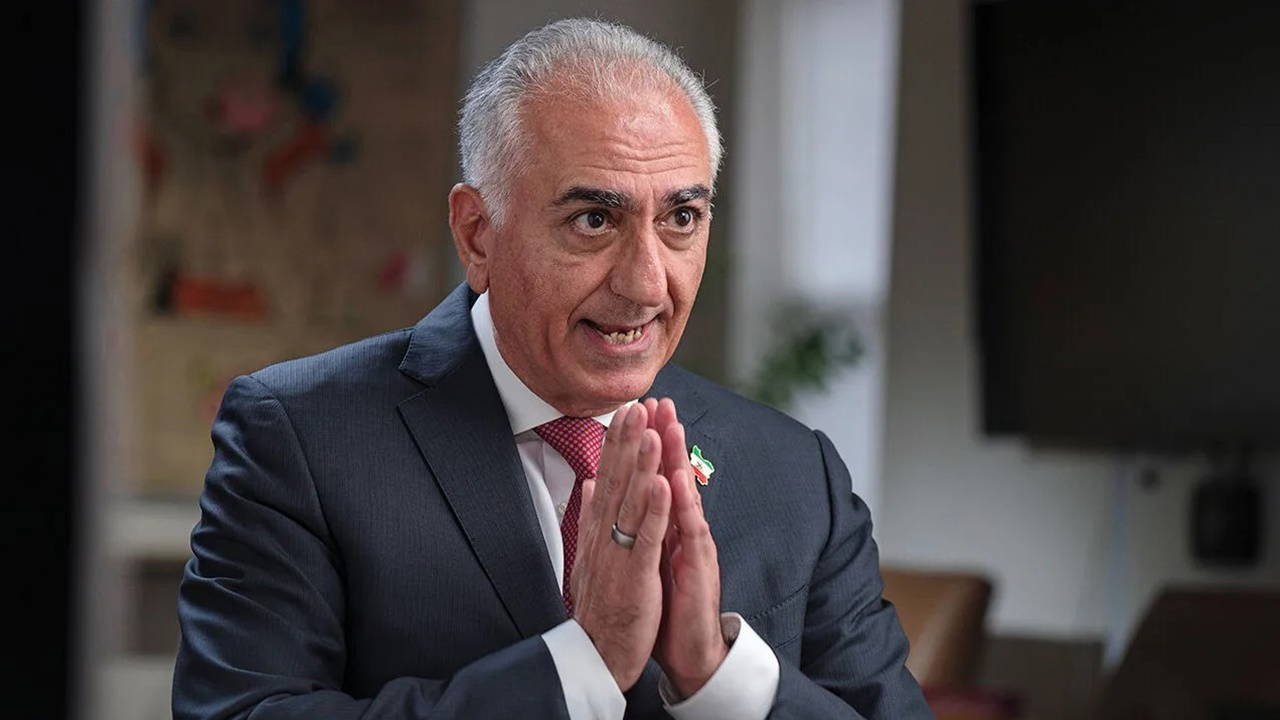
The son of the last Shah of Iran, Reza Pahlavi, appears to have been the target of a sophisticated phone prank by a Russian comedy duo known for targeting political figures. The incident, which involved the impersonation of advisors to German Chancellor Olaf Scholz, led Pahlavi to reportedly express support for a more aggressive stance against Iran, including a call for wider participation in a potential “crusade.” The incident highlights the ongoing challenges of verifying information in the digital age and the potential for disinformation to influence political discourse.
Vovan and Lexus, the comedic duo behind the prank, have a history of similar operations targeting high-profile individuals across the political spectrum. Their methods often involve elaborate setups and convincing impersonations, exploiting trust and a lack of due diligence. This particular incident, reported initially by Turkish media outlet Sözcü, raises questions about the security protocols surrounding communications with prominent figures and the vulnerability of individuals to such deceptive tactics. The incident too underscores the complex geopolitical dynamics surrounding Iran and the potential for external actors to exploit internal divisions.
The Prank and the Impersonation
According to reports from multiple sources, including HalkTV and Anlatilaninotesi, Vovan and Lexus contacted Reza Pahlavi posing as close advisors to German Chancellor Olaf Scholz, specifically Friedrich Merz, the leader of the Christian Democratic Union (CDU). They reportedly established credibility by referencing historical connections, with one of the pranksters claiming a familial link to the German military presence in Tehran during World War II. Sözcü reported that the prankster began the conversation by styling their speech and appearance to resemble Adolf Hitler, a deliberately provocative tactic that, remarkably, did not immediately alert Pahlavi to the deception.
The duo then presented Pahlavi with a fabricated scenario suggesting that Germany was preparing for military action against Iran. HalkTV detailed that Pahlavi responded by advocating for a more robust international response to Iran, seemingly endorsing the idea of a broader coalition. He reportedly stated, “Sadece İsrailliler ve Amerikalılar değil, daha fazla insan bu haçlı seferine katılmalı. Almanya’nın bu kadar sert bir tavır almasından memnunum,” which translates to “Not only Israelis and Americans, but more people should join this crusade. I am pleased with Germany’s tough stance.”
Reza Pahlavi and His Role in the Iranian Opposition
Reza Pahlavi, the eldest son of the late Shah Mohammad Reza Pahlavi, has been a prominent figure in the Iranian opposition movement for decades. He currently resides in the United States and advocates for a democratic transition in Iran. His father was overthrown in the 1979 Iranian Revolution, leading to the establishment of the Islamic Republic. Pahlavi’s calls for regime change have often been met with skepticism from within Iran, where memories of his father’s authoritarian rule remain strong. Still, he maintains a significant following among Iranian expatriates and continues to be a vocal critic of the current government. He has recently been attempting to unify various opposition groups, a task complicated by deep ideological divisions.
The incident with Vovan and Lexus raises questions about Pahlavi’s judgment and his ability to navigate the complex world of international politics. While the pranksters are known for their deceptive tactics, the fact that Pahlavi seemingly accepted the fabricated scenario at face value could damage his credibility and undermine his efforts to present himself as a serious contender for leadership in a future Iran. It also highlights the challenges faced by opposition figures operating from exile, who may be more vulnerable to disinformation campaigns and manipulation.
Vovan and Lexus: Masters of Deception
Vovan and Lexus, whose real names are Alexei Stolyarov and Vladimir Kuznetsov respectively, have gained notoriety for their elaborate phone pranks targeting prominent political figures. They have previously targeted individuals such as former Ukrainian President Petro Poroshenko, British politician Sadiq Khan, and numerous other high-profile individuals. Their methods typically involve extensive research and meticulous impersonation, often exploiting vulnerabilities in security protocols and a reliance on trust. Anlatilaninotesi notes their consistent success in deceiving their targets.
The duo’s motivations are often unclear, but they have been linked to Russian intelligence agencies, although they deny any official affiliation. Their pranks often appear designed to sow discord and undermine trust in Western governments and institutions. The incident with Reza Pahlavi fits this pattern, potentially aiming to discredit the Iranian opposition and create divisions within the anti-regime movement. The timing of the prank, amidst heightened tensions in the Middle East and ongoing concerns about Iran’s nuclear program, adds another layer of complexity to the situation.
The Implications for International Diplomacy
This incident serves as a stark reminder of the growing threat of disinformation and the need for heightened vigilance in international diplomacy. The ease with which Vovan and Lexus were able to deceive a prominent political figure underscores the vulnerabilities of communication channels and the importance of verifying information before acting upon it. Governments and organizations must invest in robust security protocols and training programs to protect against such deceptive tactics.
the incident highlights the potential for external actors to exploit internal divisions and manipulate political discourse. The fact that Pahlavi reportedly expressed support for a “crusade” against Iran, even under the false pretense of a German military operation, could be used by the Iranian government to justify its own actions and rally support against perceived foreign interference. This proves crucial for all parties involved to exercise caution and avoid inflammatory rhetoric that could escalate tensions in the region.
The German government has not yet officially commented on the incident. However, the incident is likely to prompt a review of security protocols surrounding communications with high-profile individuals and a renewed focus on countering disinformation campaigns. The incident also serves as a cautionary tale for political figures, reminding them of the importance of skepticism and due diligence in an increasingly complex and deceptive world.
Key Takeaways
- Reza Pahlavi, son of the last Shah of Iran, was reportedly tricked by Russian pranksters Vovan and Lexus into expressing support for a more aggressive stance against Iran.
- The pranksters impersonated advisors to German Chancellor Olaf Scholz, exploiting Pahlavi’s trust and a lack of verification.
- The incident highlights the vulnerability of political figures to disinformation campaigns and the need for heightened security protocols.
- Vovan and Lexus have a history of targeting high-profile individuals and are suspected of being linked to Russian intelligence agencies.
- The incident underscores the complex geopolitical dynamics surrounding Iran and the potential for external actors to exploit internal divisions.
As tensions in the Middle East remain high, and the Iranian government continues to face international scrutiny, the need for accurate information and responsible diplomacy is more critical than ever. Further developments regarding this incident, and any official response from the German government or Reza Pahlavi himself, will be closely monitored. Readers are encouraged to share their thoughts and perspectives on this developing story in the comments below.
Worth a look