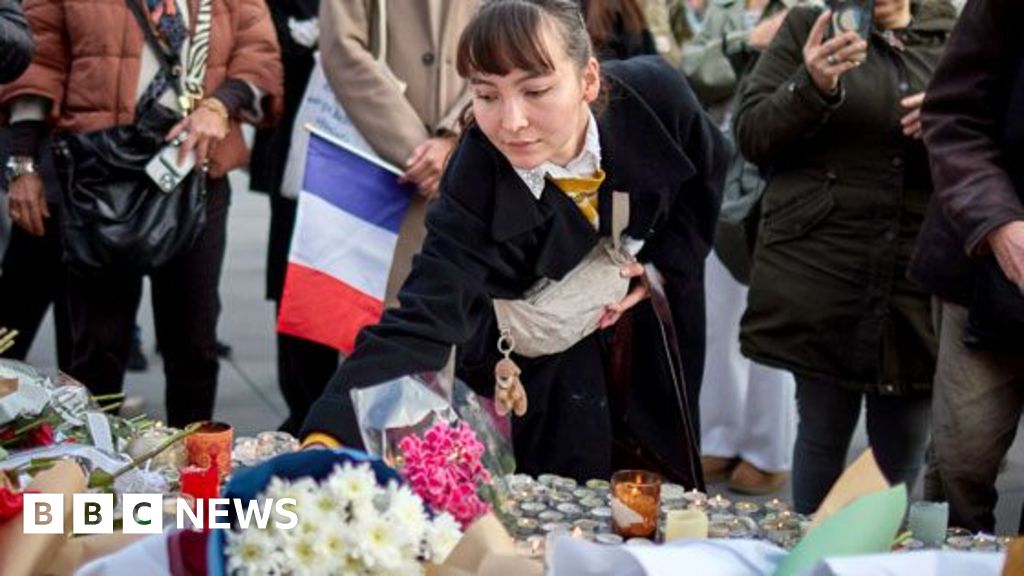
Ten Years On: Remembering the Paris Attacks and Navigating a Path Towards Healing
A decade has passed since the horrific attacks that shook Paris on November 13, 2015. Today, France commemorates the lives lost and the enduring impact on a nation forever changed. Commemorations are unfolding throughout the day at the sites of the attacks, culminating in the opening of a new memorial garden in the heart of Paris.
The attacks, targeting locations including the Bataclan concert hall, cafes, and the Stade de France, claimed 130 lives and injured hundreds more. For those who survived,the past ten years have been a journey of profound conversion,marked by resilience,grief,and the ongoing search for meaning.You’ve likely seen recent accounts from survivors detailing how their lives irrevocably shifted that night.
A Day of Remembrance and Reflection
Tonight, the Eiffel Tower will illuminate in the colors of the French flag - a powerful symbol of national unity and remembrance. French media outlets have been filled with poignant stories and recollections, offering a space for collective mourning and understanding.
But amidst the remembrance, a complex and controversial development has emerged. salah Abdeslam, a key figure in the attacks, has indicated through his lawyer a willingness to participate in “restorative justice” efforts. This process would involve direct dialog between victims and perpetrators, aiming to address the harm caused and potentially foster healing.
A Divisive Proposal
Understandably, the idea has sparked intense debate among victim’s families. Some see it as a potential path towards closure, while others vehemently oppose any form of engagement with Abdeslam. It’s a deeply personal decision, and the emotional toll on those affected is immense.
Laurent Sourisseau, a cartoonist known as Riss, who survived the Charlie Hebdo attack months prior, has voiced strong opposition. he argues that restorative justice is inappropriate for acts of terrorism. “Restorative justice exists for other types of crime – common crimes,” Sourisseau stated.
He further explained that terrorism transcends typical criminal offenses. Abdeslam’s offer, Sourisseau believes, attempts to normalize his actions, equating them to everyday crimes.This is a perspective shared by many who feel that such a process would diminish the gravity of the attacks and the suffering endured.
The Long Road to Healing
The tenth anniversary serves as a stark reminder of the fragility of peace and the enduring consequences of violence. It’s a time for collective reflection,not just on the events of that night,but on the broader challenges of extremism and the importance of fostering empathy and understanding.
As France and the world remember the victims, the question remains: how do you rebuild after such profound loss? How do you navigate a path towards healing when the wounds are so deep? These are questions that will continue to be wrestled with for years to come.
Ultimately, the anniversary is a testament to the resilience of the human spirit and the enduring power of hope in the face of unimaginable tragedy. It’s a moment to honor the memory of those lost and to reaffirm a commitment to building a more peaceful and just world.
Worth a look
- Why Rick Moranis’s Spaceballs Return is More Than Just Nostalgia
- New Poll: Surprising Shift in Russian Public Opinion Toward Putin
- Waze & Google Maps Now Prioritize Eco-Friendly Routes in France (archynewsy.com)
- Lebanese President Condemns Israeli Bombings as Threat to Diplomatic Efforts (world-today-news.com)