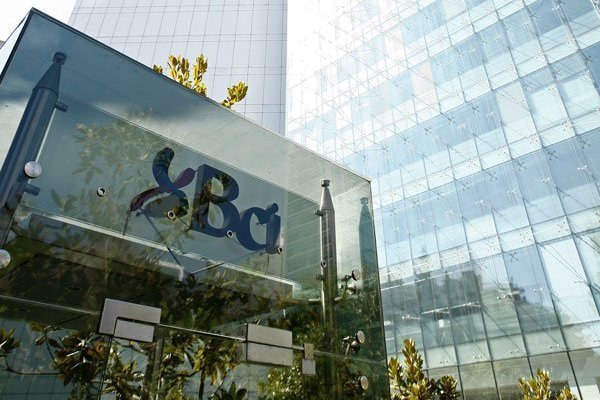
Banco de Chile’s payment processing subsidiary, Bancile Pagos, reported continued losses in 2025 as the bank’s shareholders injected $5.9 billion to support the unit’s expansion efforts, according to financial disclosures reviewed by World Today Journal.
The capital infusion comes as Bancile Pagos seeks to establish itself in Chile’s competitive payment processing market, where it faces established players including Transbank and newer entrants like the recently authorized Operadora de Tarjetas Bancile Pagos from Banco de Chile’s rival institution.
The subsidiary reported losses of 1.484 billion Chilean pesos in 2025, a significant increase from the 231 million pesos recorded in the previous year, according to Bancile Pagos’ financial statements cited in regulatory filings with Chile’s Commission for the Financial Market (CMF).
This expansion effort follows Banco de Chile’s own entry into the acquiring business through its subsidiary Operadora de Tarjetas Bancile Pagos, which received authorization from the CMF on November 17, 2025 to operate as a payment card processing entity.
Banco de Chile’s payment processing initiative began with a pilot phase in October 2025 involving approximately 300 merchants nationwide before full authorization, after which the bank reported enrolling nearly 6,800 merchants, deploying over 7,800 Smart POS terminals, and processing more than 4.7 million transactions in the initial weeks following authorization.
The bank’s 2025 annual report highlighted the launch of Bancile Pagos as “one of the most relevant milestones of the year,” emphasizing its strategy to offer businesses digital acquiring services including in-person and e-commerce processing, Web Checkout, Payment Links, and Microsites with daily settlements.
Banco de Chile’s approach includes providing merchants with next-generation Smart POS devices featuring extended coverage, 24-hour support, and centralized integration through its Empresas Bancconexión 2.0 and Mi Bancconexion platforms to simplify sales management and reconciliation.
The competing initiatives reflect broader trends in Chile’s financial sector where traditional banks are expanding into payment processing to capture transaction fees and strengthen relationships with business clients amid growing digital commerce adoption.
Both initiatives aim to leverage existing banking relationships to offer bundled financial services to merchants, though profitability remains elusive in the early stages as companies invest heavily in technology infrastructure and merchant acquisition.
The $5.9 billion shareholder contribution represents one of the largest capital injections into a Chilean bank’s subsidiary in recent years, underscoring the strategic importance both institutions place on establishing scale in the payment processing market.
Industry analysts note that achieving profitability in payment processing typically requires significant scale due to high fixed costs in technology infrastructure and sales forces, with break-even often occurring only after processing substantial transaction volumes.
As of the latest available information, neither Bancile Pagos nor Banco de Chile’s Operadora de Tarjetas Bancile Pagos have disclosed specific timelines for when their payment processing operations expect to reach profitability.
Market observers suggest the coming years will be critical as both institutions compete for merchant market share whereas navigating regulatory requirements and technological evolution in the payments landscape.
For ongoing updates on these developments, readers can consult the financial statements and regulatory filings available through Banco de Chile’s investor relations portal and the CMF’s official disclosures.
We welcome your insights on how these competing payment processing initiatives might shape Chile’s financial services landscape in the comments section below, and encourage sharing this analysis with colleagues interested in banking innovation trends.
Worth a look