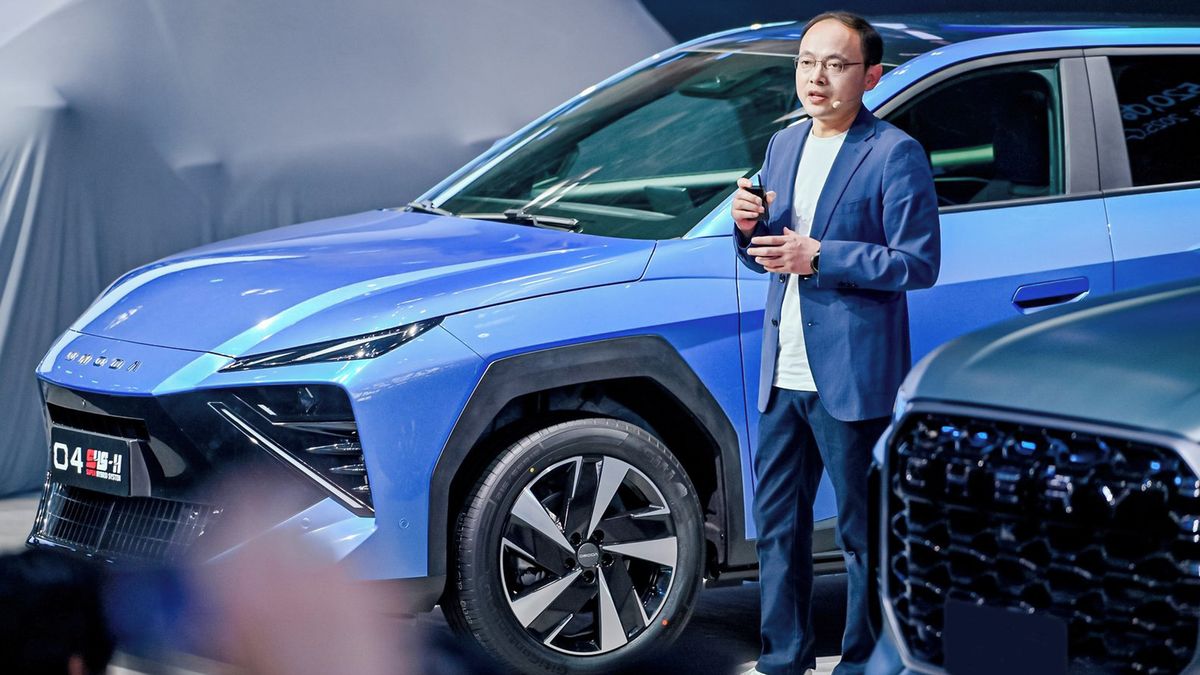
China’s Auto Show 2026: The Technologies Banned in Europe That Are Thriving in Beijing
BEIJING — The Auto China 2026 show, which opened its doors in Beijing on April 24, is not just the world’s largest automotive exhibition—it is also a showcase of technologies that have long been banned or heavily restricted in Europe and other Western markets. With more than 1,450 vehicles on display, including 181 global debuts, the event has become a battleground for innovation, where Chinese automakers flaunt advancements in intelligent driving, ultrafast charging, and artificial intelligence that push regulatory boundaries far beyond what is permitted in the EU.
For global observers, the contrast is striking. While European regulators have imposed strict limits on data privacy, facial recognition, and autonomous driving features—citing safety and ethical concerns—Chinese manufacturers are integrating these technologies into mass-market vehicles with little hesitation. The result is a glimpse into a future of mobility that is already here in China but remains a distant prospect for drivers in Brussels, Berlin, or Paris.
“This is not just about cars; it’s about the speed at which China is redefining what is possible in automotive technology,” said He Xiaopeng, Chairman and CEO of XPENG, during a keynote address at the show. His company, along with rivals like BYD, NIO, and Xiaomi, is leading the charge in deploying features that would face immediate regulatory pushback in Europe. From AI-powered in-car assistants that monitor driver emotions to autonomous valet parking systems that rely on high-definition mapping banned in the EU, the innovations on display highlight a widening gap between China’s regulatory flexibility and Europe’s precautionary approach.
The EU’s Red Lines vs. China’s Green Lights
Europe’s automotive regulations are among the strictest in the world, particularly when it comes to data privacy and driver assistance systems. The General Data Protection Regulation (GDPR), for example, imposes severe restrictions on the collection and processing of biometric data, including facial recognition—a technology that is now commonplace in Chinese vehicles. Under GDPR, such features would require explicit, informed consent from users, and their deployment in public spaces is heavily scrutinized. In China, however, facial recognition is not only permitted but actively encouraged as part of the government’s broader push for smart city integration.
Another key area of divergence is autonomous driving. The EU’s Regulation (EU) 2019/2144, which governs the approval of automated vehicles, sets strict limits on the level of autonomy permitted on public roads. Level 3 systems (conditional automation) are allowed under specific conditions, but Level 4 (high automation) and Level 5 (full automation) remain largely prohibited. In contrast, Chinese regulators have adopted a more permissive stance, allowing companies to test and deploy higher-level autonomous systems in designated zones. At Auto China 2026, several manufacturers showcased vehicles capable of Level 4 autonomy in urban environments, a feat that would be illegal in most European cities.
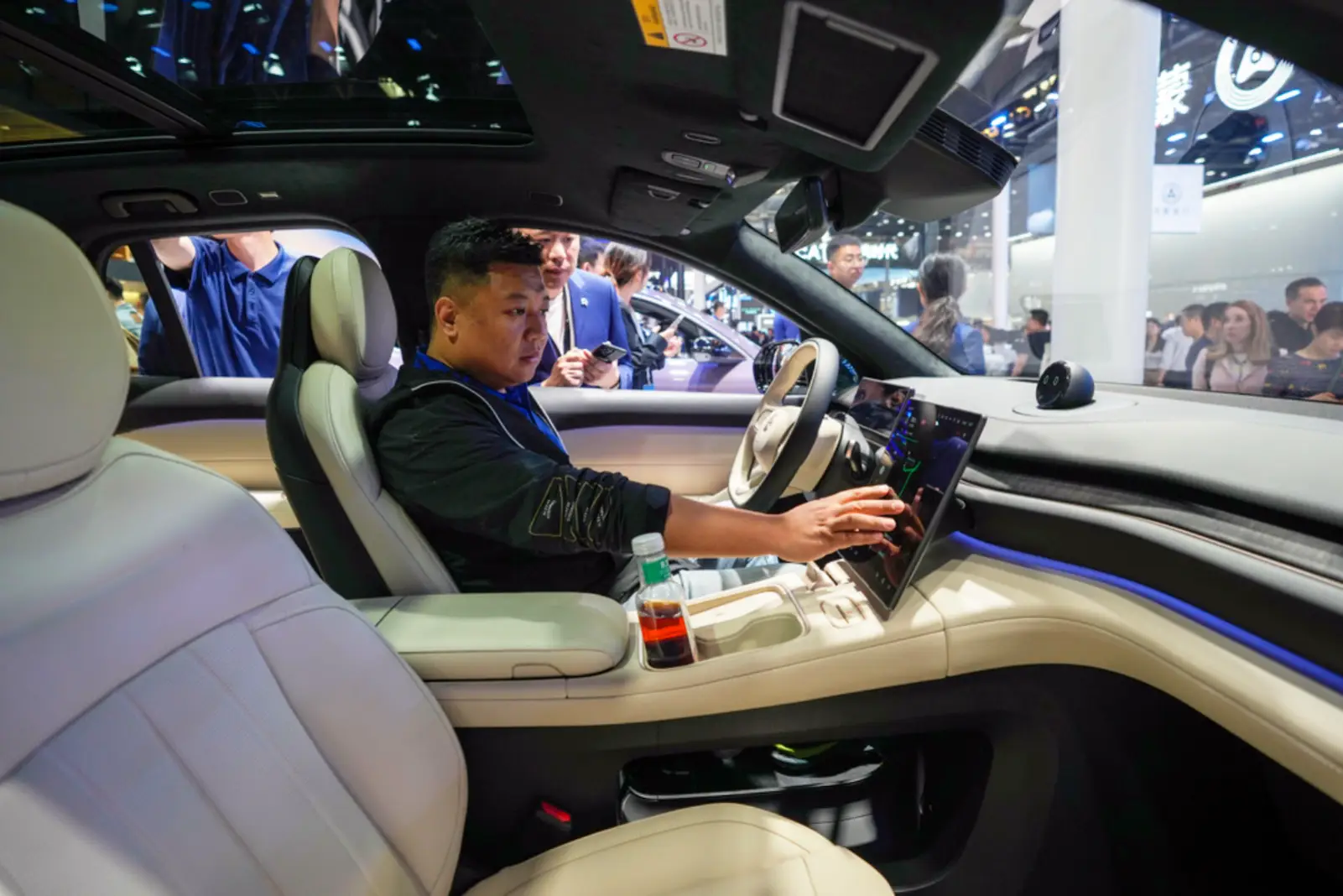
One of the most controversial technologies on display was driver monitoring systems (DMS) that use AI to analyze a driver’s facial expressions, eye movements, and even heart rate to detect fatigue or distraction. While such systems are not entirely banned in Europe, their use is heavily restricted under GDPR, and any data collected must be anonymized or deleted immediately after use. In China, however, these systems are not only permitted but are increasingly standard in new vehicles. BYD’s latest models, for example, feature DMS that can issue alerts or even take control of the vehicle if the driver is deemed unfit to operate it—a feature that would likely face legal challenges in the EU.
Why China’s Approach Is Gaining Global Attention
The rapid advancement of China’s automotive sector is not just a matter of regulatory differences—it is also a reflection of the country’s broader industrial strategy. The Chinese government has identified new energy vehicles (NEVs) and intelligent connected vehicles (ICVs) as key pillars of its economic growth, offering generous subsidies, tax incentives, and infrastructure investments to support their development. This has allowed Chinese automakers to outpace their global competitors in areas like battery technology, charging infrastructure, and software integration.
At Auto China 2026, the focus on ultrafast charging was particularly notable. While European automakers have struggled to standardize charging infrastructure, Chinese companies are rolling out 800-volt and 1,000-volt charging systems capable of replenishing a battery from 10% to 80% in under 10 minutes. XPENG’s latest model, the XPENG X9, features a 1,000-volt architecture that can add 300 kilometers (186 miles) of range in just five minutes—a capability that remains rare in Europe due to grid limitations and slower adoption of high-voltage systems.
Another area where China is pulling ahead is vehicle-to-everything (V2X) communication, which allows cars to exchange data with traffic lights, road sensors, and other vehicles in real time. While V2X technology is still in its infancy in Europe, Chinese cities like Shenzhen and Shanghai have already deployed large-scale V2X networks, enabling features like traffic light optimization and collision avoidance. At the auto show, NIO demonstrated its NIO Autonomous Driving (NAD) system, which relies on V2X to navigate complex urban environments—a feature that would be demanding to implement in Europe due to regulatory and infrastructure constraints.
The Ethical and Safety Debates
The technologies on display at Auto China 2026 raise important questions about the balance between innovation and regulation. In Europe, the precautionary principle dominates policymaking, with regulators prioritizing safety and privacy over rapid technological adoption. In China, however, the approach is more experimental, with regulators often granting exemptions to allow companies to test new features in real-world conditions.
Critics argue that China’s permissive regulatory environment could lead to safety risks, particularly in areas like autonomous driving. While Chinese companies tout their ability to collect vast amounts of real-world data to improve their systems, concerns remain about the potential for accidents or misuse of personal data. In Europe, such concerns have led to lengthy approval processes and strict oversight, which some argue stifles innovation.
“The question is not whether these technologies will eventually come to Europe, but when—and under what conditions,” said Dr. Li Zhang, a professor of automotive engineering at Tsinghua University in Beijing. “China is moving fast, and the rest of the world will have to decide whether to adapt or risk falling behind.”
What This Means for Global Automakers
The regulatory divide between China and Europe is creating a two-speed automotive industry. While Western automakers are constrained by strict rules, Chinese companies are free to innovate at a pace that is difficult to match. This has led to growing concerns in Europe about competitiveness, particularly as Chinese brands like BYD and Xiaomi expand into overseas markets.
In response, some European automakers are calling for a relaxation of regulations to allow faster adoption of new technologies. Volkswagen, for example, has urged the EU to streamline approval processes for autonomous driving systems, arguing that overly restrictive rules could cede leadership to China. Others, however, warn that loosening regulations could compromise safety and privacy, particularly in areas like data collection and AI-driven decision-making.
For now, the Auto China 2026 show serves as a reminder of how quickly the global automotive landscape is evolving. While Europe debates the merits of precautionary regulation, China is racing ahead, deploying technologies that could redefine mobility in the coming decades. The challenge for Western policymakers will be to find a way to balance innovation with safety—a task that is easier said than done.
Key Takeaways
- Regulatory Divergence: China’s permissive approach to automotive technology contrasts sharply with Europe’s strict regulations, particularly in areas like facial recognition, autonomous driving, and data privacy.
- Ultrafast Charging: Chinese automakers are leading the way in high-voltage charging systems, with some models capable of adding 300 kilometers of range in just five minutes.
- V2X Communication: Vehicle-to-everything (V2X) technology is already deployed in Chinese cities, enabling real-time data exchange between vehicles and infrastructure—a capability still in its infancy in Europe.
- Safety vs. Innovation: While China’s experimental approach accelerates technological adoption, it also raises concerns about safety and data privacy, areas where Europe’s precautionary principle dominates.
- Global Competition: The regulatory divide is creating a two-speed automotive industry, with Chinese brands gaining a competitive edge in overseas markets.
What Happens Next?
The next major checkpoint for the global automotive industry will be the IAA Mobility 2026 show in Munich, where European automakers are expected to showcase their latest advancements in response to China’s growing influence. In the meantime, regulators in Brussels and Beijing will continue to grapple with the challenges of balancing innovation, safety, and privacy—a debate that will shape the future of mobility for years to come.
For now, the Auto China 2026 show stands as a testament to China’s ambition to lead the next era of automotive innovation. Whether Europe can keep pace remains an open question.
What do you think? Should Europe relax its regulations to keep up with China’s pace of innovation, or is a cautious approach necessary to ensure safety and privacy? Share your thoughts in the comments below.
Related reading