
UN Secretary-General Urges Global Action on Maritime Security Amid Rising Threats to Global Trade
In a stark address to the United Nations Security Council on Tuesday, UN Secretary-General António Guterres warned that escalating threats to maritime security are placing unprecedented strain on the global economy, calling for urgent international cooperation to safeguard critical shipping lanes. The remarks, delivered during a high-level debate on maritime security, underscored the fragility of supply chains that underpin nearly 90% of world trade—a lifeline for economies still recovering from pandemic disruptions and geopolitical tensions.
Guterres’ intervention comes at a time when attacks on commercial vessels, piracy, and climate-related disruptions are converging to create what he described as a “perfect storm” for global commerce. “The free flow of goods across our oceans is not a given,” he told the Council. “It is a shared responsibility that demands collective action. When maritime security is compromised, the entire world pays the price—through higher costs, delayed deliveries, and economic instability that hits the most vulnerable hardest.”
The Secretary-General’s appeal aligns with growing concerns among G20 nations, which represent over 80% of global GDP and 75% of international trade. Whereas the G20 is not a security-focused body, its members—including the U.S., China, the EU, and India—have increasingly recognized maritime security as a cornerstone of economic resilience. A 2023 report by the United Nations Conference on Trade and Development (UNCTAD) found that disruptions in key shipping routes, such as the Red Sea or the Strait of Malacca, could inflate global trade costs by up to 10%, with ripple effects on food prices, energy markets, and manufacturing supply chains.
The Economic Stakes of Maritime Insecurity
Maritime trade is the backbone of the global economy, with over 11 billion tons of goods transported by sea annually. The World Bank estimates that a single day of delay in major shipping routes can cost the global economy $4.5 billion in lost productivity and higher insurance premiums. Guterres highlighted three key threats currently destabilizing this system:
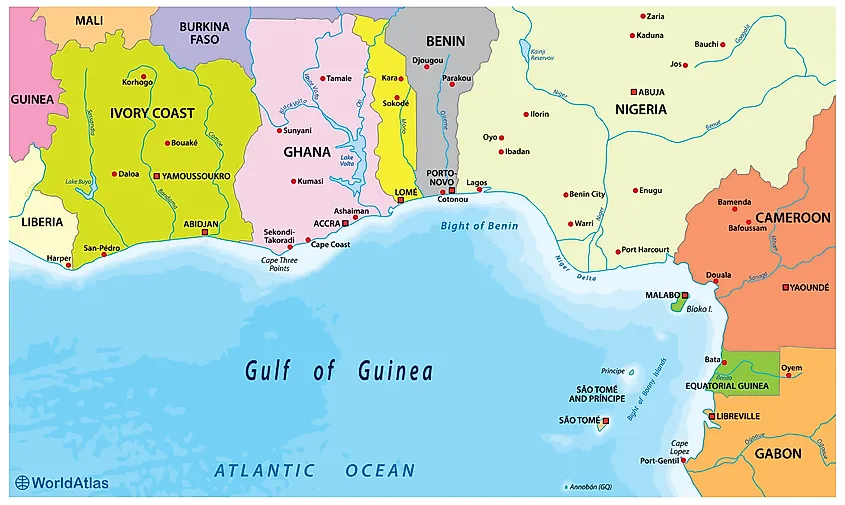
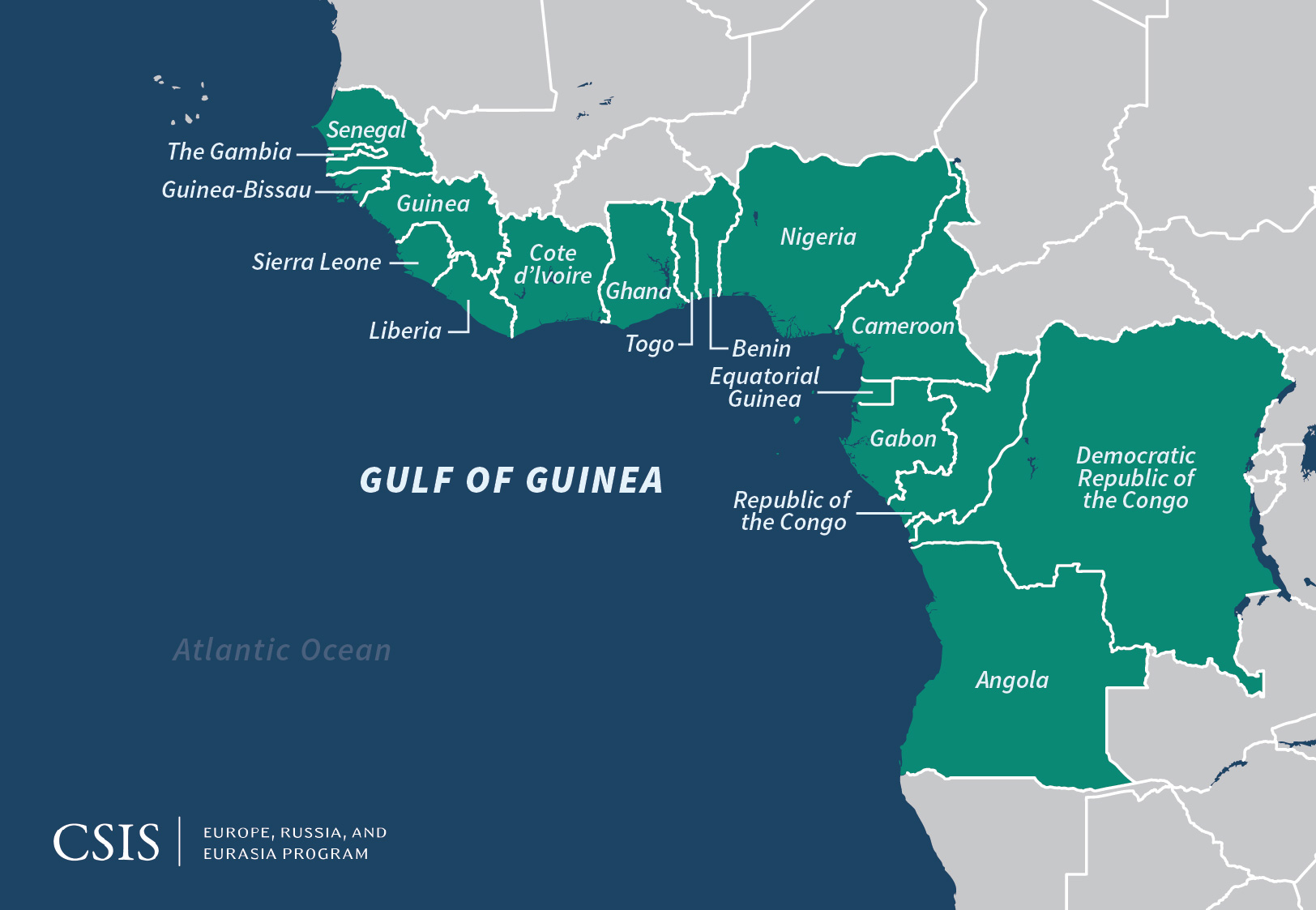
- Piracy and Armed Robbery: While incidents have declined in some regions, the International Maritime Bureau (IMB) reported a 20% increase in piracy attacks in the Gulf of Guinea in 2025, with 23 vessels boarded and 52 crew members kidnapped in the first quarter alone. The region, which accounts for 15% of global oil exports, remains a hotspot for maritime crime.
- State-Sponsored Attacks: The ongoing conflict in the Red Sea, where Houthi rebels have targeted commercial shipping since late 2023, has forced over 600 vessels to reroute around the Cape of Solid Hope—a detour that adds 10–14 days to voyages between Asia and Europe. The U.S. Energy Information Administration (EIA) estimates this has increased shipping costs by 200–300% for some routes, with container freight rates from Shanghai to Rotterdam surging by 150% in early 2024.
- Climate Change: Rising sea levels, extreme weather, and melting Arctic ice are creating new risks. The International Maritime Organization (IMO) warns that by 2050, climate-related disruptions could reduce global maritime trade volumes by 5–10%, particularly in vulnerable regions like Southeast Asia and the Caribbean.
Guterres did not mince words about the consequences of inaction. “When ships are attacked, when crews are held hostage, when vital trade routes are choked off, the impact is felt far beyond the maritime sector,” he said. “It is felt in the price of bread in Cairo, the cost of medicine in Nairobi, and the availability of fuel in Mumbai. Maritime security is not just a matter of military strategy—it is an economic imperative.”
The G20’s Role: From Dialogue to Action
While the UN Security Council has the mandate to address threats to international peace and security, the G20—comprising the world’s largest economies—has emerged as a critical forum for coordinating responses to economic disruptions. Unlike the UN, the G20 operates by consensus, making it a platform where rival powers like the U.S. And China can engage on shared challenges without the veto dynamics of the Security Council.
At the 2024 G20 Summit in Rio de Janeiro, leaders adopted a Maritime Security Action Plan, pledging to enhance information-sharing between navies, improve port security, and invest in alternative trade routes. However, progress has been slow. A follow-up report by the Organisation for Economic Co-operation and Development (OECD) in March 2026 noted that only 12 of the 20 member states had fully implemented the plan’s recommendations, citing “competing priorities” and “geopolitical tensions” as key obstacles.
Guterres’ address to the Security Council appeared to be a deliberate effort to bridge this gap. By framing maritime security as a threat to the “international order” and the “global economy,” he sought to elevate the issue beyond traditional security circles and into the economic policy discussions dominated by the G20. His call for “allowing the global economy to breathe” was widely interpreted as a plea for G20 nations to prioritize maritime stability in their economic agendas, particularly as they prepare for the 2026 summit in South Africa.
Who Holds the Keys to Safer Seas?
The challenge of securing global shipping lanes is a complex one, requiring cooperation among a diverse set of stakeholders:
- Naval Powers: The U.S., China, and European Union have deployed naval task forces to combat piracy and escort commercial vessels in high-risk areas. The EU’s Operation Atalanta, launched in 2008, has been credited with reducing piracy off the coast of Somalia by 90%, though its mandate has since expanded to include counterterrorism and arms trafficking.
- Regional Organizations: The Association of Southeast Asian Nations (ASEAN) and the African Union (AU) have taken steps to coordinate maritime patrols and legal frameworks for prosecuting pirates. However, a 2025 report by the Chatham House found that only 20% of piracy cases in the Gulf of Guinea result in convictions, due to weak judicial systems and corruption.
- Private Sector: Shipping companies and insurers are increasingly turning to private security contractors to protect vessels. The International Chamber of Shipping (ICS) estimates that the global maritime security market is now worth $22 billion annually, with armed guards becoming a standard feature on high-risk routes. However, this trend has raised concerns about the potential for escalation, particularly in regions where state actors are involved in attacks.
- International Law: The UN Convention on the Law of the Sea (UNCLOS) provides the legal framework for maritime security, but enforcement remains uneven. Guterres called for stronger adherence to UNCLOS and the IMO’s International Ship and Port Facility Security (ISPS) Code, which sets minimum security standards for ports and vessels.
What Happens Next?
The UN Security Council is expected to adopt a resolution later this week reaffirming the importance of maritime security and calling for greater cooperation between the UN, regional organizations, and the private sector. Meanwhile, the G20’s Finance Ministers and Central Bank Governors will meet in Washington, D.C., next month to discuss the economic implications of maritime disruptions—a sign that the issue is gaining traction in economic policy circles.
For businesses and consumers, the stakes are clear. A 2026 IMF study projected that a sustained 10% increase in shipping costs could shave 0.5% off global GDP growth, with the poorest countries bearing the brunt of the impact. As Guterres put it in his closing remarks: “The sea does not belong to any one nation. Neither does its security. It is a global commons, and its protection is a global responsibility.”
Key Takeaways
- Maritime trade underpins 90% of global commerce, making security a critical economic issue.
- Three major threats are disrupting shipping: piracy (especially in the Gulf of Guinea), state-sponsored attacks (e.g., Red Sea conflict), and climate change.
- G20 nations, representing 80% of global GDP, are key to coordinating responses but have been slow to act.
- Private security and naval patrols are increasingly used to protect vessels, but legal and ethical concerns persist.
- UN and G20 meetings in the coming weeks will focus on turning dialogue into concrete action.
FAQ
Why is maritime security suddenly a priority for the UN?
Maritime security has long been a concern, but recent attacks on commercial vessels—particularly in the Red Sea and Gulf of Guinea—have disrupted global supply chains, driving up costs for businesses and consumers. The UN Secretary-General’s address reflects growing alarm that these disruptions could derail economic recovery efforts worldwide.
How does the G20 differ from the UN Security Council in addressing this issue?
The UN Security Council has the authority to impose sanctions or authorize military action to address threats to international peace and security. The G20, by contrast, is an economic forum that operates by consensus. While it lacks enforcement power, its members—including the U.S., China, and the EU—have significant influence over global trade policies and can coordinate economic responses to maritime threats.
What can businesses do to mitigate risks?
Companies reliant on maritime trade are advised to diversify supply chains, invest in real-time tracking technology, and work with insurers to secure coverage for high-risk routes. The IMO’s guidance on maritime security provides best practices for vessel operators.
Are there any success stories in combating maritime insecurity?
Yes. The decline in Somali piracy—from a peak of 237 attacks in 2011 to just 2 in 2025—is often cited as a model for international cooperation. The success was driven by a combination of naval patrols, private security, and efforts to stabilize Somalia’s government. However, experts warn that piracy is shifting to new regions, such as the Gulf of Guinea, where governance challenges persist.
The next major checkpoint will be the G20 Finance Ministers’ meeting in May, where maritime security is expected to feature prominently on the agenda. For real-time updates, readers can follow the official G20 website or the UN Security Council’s press releases.
Have you or your business been affected by maritime disruptions? Share your experiences in the comments below, and don’t forget to share this article to keep the conversation going.