
The Belgian coast is currently facing a massive influx of visitors as a sunny long weekend draws thousands of day-trippers to the shoreline. In the coastal city of Ostend, local authorities have launched an urgent appeal for visitors to abandon their cars in favor of public transit to prevent a total logistical collapse.
The surge in tourism has already led to severe congestion across the region’s road networks. With weather conditions favoring outdoor activity, the city of Ostend is implementing specific crowd control measures to avoid a repeat of the systemic failures experienced during the same holiday period in previous years.
City officials are explicitly urging travelers to grab the train or coastal tram
to reach the city. This strategy is designed to mitigate the pressure on urban parking and narrow coastal roads, which are struggling to accommodate the volume of traffic flowing from inland hubs like Brussels.
Gridlock on the Way to the Coast
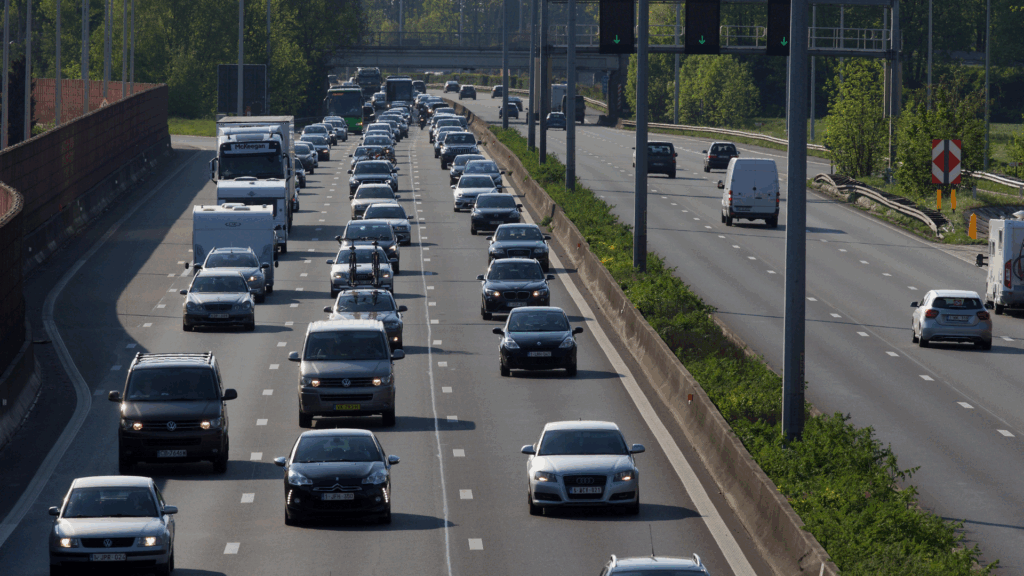
The journey to the Belgian seaside has become a significant ordeal for many this weekend. Reporting indicates an exceptional level of congestion on the highways, with traffic jams extending over 180 kilometers in some sectors. Travelers departing from Brussels are being warned to expect travel times of at least two hours to reach the coast, a stark increase over typical transit durations.
This bottleneck is not limited to the highways. As visitors reach the coast, the “last mile” of the journey is proving equally difficult. The sheer volume of vehicles attempting to enter Ostend has prompted the city to prioritize the use of the Kusttram (coastal tram), which runs the entire length of the Belgian coast and provides a reliable alternative to the saturated road network.
Learning from the Chaos of 2025
The urgency of this year’s measures is rooted in the events of May 1, 2025. Local authorities described the previous year’s holiday as chaotic
, citing a lack of coordination and an overwhelming number of vehicles that paralyzed the city center. The resulting gridlock not only hindered tourists but also obstructed emergency services and disrupted the daily lives of residents.
To prevent a recurrence, the city of Ostend has shifted its communication strategy toward pre-emptive deterrence. By advising visitors to leave their cars at home before they even depart their home cities, the administration hopes to flatten the peak of the traffic surge. This approach acknowledges that once the highways are blocked, local interventions—such as traffic wardens or temporary signage—have limited effectiveness.
The Economic Boom vs. Logistical Strain
While the congestion presents a headache for urban planners, the influx of visitors is providing a significant economic boost to the region’s hospitality sector. Beach bars and seaside cafes are reporting high turnovers, capitalizing on the rare combination of a long weekend and optimal weather.
Major attractions are also feeling the pressure. Plopsaland, the popular theme park in the region, has taken the extraordinary step of opening all available parking lots to accommodate the swell of visitors. This move highlights the scale of the demand, as the park attempts to manage the flow of thousands of families arriving simultaneously.
Key Takeaways for Travelers
- Preferred Transit: Use the NMBS/SNCB rail network or the De Lijn coastal tram to avoid highway gridlock.
- Traffic Warning: Expect delays of two hours or more when traveling from Brussels to the coast.
- Parking: City center parking in Ostend is extremely limited. official recommendations suggest using peripheral Park & Ride facilities.
- Local Status: Major attractions like Plopsaland have maximized parking capacity to handle the surge.
Practical Guidance for Visiting Ostend
For those still planning to visit during the remainder of the long weekend, the city recommends several strategic shifts in travel behavior. Rather than attempting to park in the city center, visitors are encouraged to use the coastal tram, which allows for flexible movement between different seaside towns without the need for a vehicle.
The NMBS/SNCB (Belgian National Railway Company) is the primary recommendation for long-distance travel, as it bypasses the highway congestion entirely. Once at the Ostend station, the transition to the coastal tram or local walking routes is the most efficient way to navigate the city.
The current situation underscores a growing challenge for the Belgian coast: the tension between the economic desire for high tourism numbers and the physical limitations of the region’s infrastructure. As the “day-tripper” phenomenon increases—driven by favorable weather and short-term holidays—the reliance on sustainable mass transit becomes a necessity rather than a suggestion.
The city will continue to monitor traffic flow and public transport capacity through the end of the holiday. A full assessment of the measures’ effectiveness is expected following the conclusion of the long weekend, which will likely inform the planning for the upcoming summer season.
World Today Journal encourages readers to share their travel experiences or tips for navigating the Belgian coast in the comments below.