
In a significant escalation of military cooperation within the framework of the Abraham Accords, Israel has deployed advanced air defense systems to the United Arab Emirates (UAE) to counter an intensified Iranian threat. The deployment, which includes the cutting-edge Iron Beam laser defense system, marks one of the most tangible security integrations between the two nations since their diplomatic normalization in 2020.
Reports indicate that the transfer was prompted by a surge in Iranian aggression, with the UAE facing a barrage of projectiles. According to a report cited by i24NEWS, which referenced findings from the Financial Times, Iran fired 2,500 projectiles at the Gulf state, necessitating an immediate defensive reinforcement from Jerusalem.
The deployment is not limited to a single technology. Israel has reportedly sent a multi-layered defense package to Abu Dhabi, including an Iron Dome battery, the Iron Beam laser system and Spectro drone detection technology. To ensure the operational success of these systems, dozens of Israel Defense Forces (IDF) personnel were deployed to the Emirates to operate the equipment on the ground.
The Integration of Iron Beam and Iron Dome
The inclusion of the Iron Beam represents a pivotal shift in regional air defense. Unlike the Iron Dome, which uses interceptor missiles to destroy incoming rockets and drones, the Iron Beam is a high-power laser system designed to neutralize threats using concentrated energy. This technology significantly reduces the cost per interception and provides a virtually unlimited magazine of “ammunition” as long as there is a power source.
The Iron Beam was recently transitioned to operational status, with the Israel Ministry of Defense and Rafael announcing the delivery of the first operational high-power laser system to the IDF on December 28, 2025, as documented by the Israel Ministry of Defense.
By combining the Iron Dome’s ability to handle mass rocket volleys with the Iron Beam’s precision and cost-efficiency against drones and missiles, the UAE is establishing a tiered defense shield. This deployment is particularly noteworthy as it represents one of the first instances of the Iron Dome being used operationally outside of Israel or the United States.
Strategic Implications for the Abraham Accords
This security partnership serves as a “real-world” test of the Abraham Accords, moving the relationship from economic and diplomatic ties to a formal, operational military alliance. The secret nature of the initial deployment underscores the sensitivity of the arrangement, as both nations navigate their relationships with Iran and other regional powers.
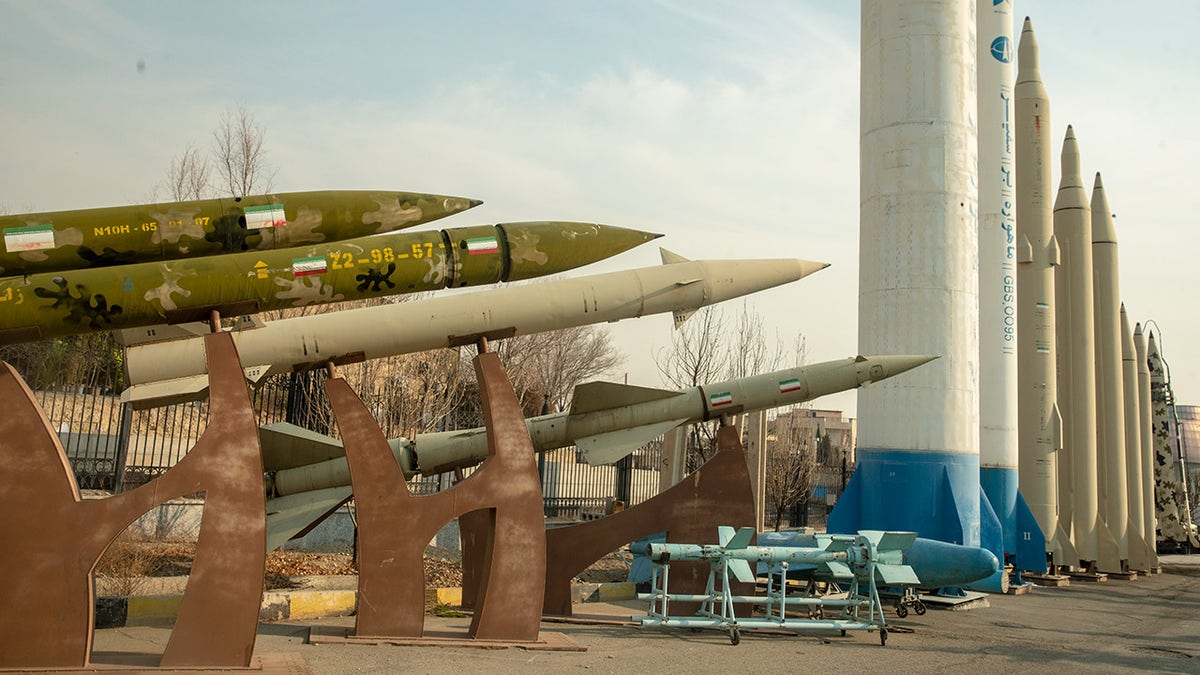
The urgency of the deployment was mirrored by the UAE’s own domestic security measures. In late April 2026, Abu Dhabi banned its citizens from traveling to Iran, Lebanon, and Iraq, ordering those already present in those countries to return home immediately, according to reporting by Türkiye Today.
Key Components of the Defense Package
The Israeli-led defensive effort in the UAE utilizes three primary technologies to create a comprehensive surveillance and interception network:
- Iron Beam: A laser-based system that targets drones, mortars, and rockets with a high-energy beam, offering a low-cost alternative to traditional missiles.
- Iron Dome: The established short-range rocket defense system that intercepts projectiles in mid-air.
- Spectro Technology: Advanced detection systems used to identify and track drones and other aerial threats before they reach their targets.
Beyond hardware, the cooperation extends to intelligence sharing. The deployment of IDF personnel suggests a level of trust and operational integration that allows for real-time data exchange and coordinated responses to Iranian missile and drone attacks.
Regional Reaction and Risks
The presence of Israeli military hardware and personnel on Emirati soil has not gone unnoticed by regional adversaries. Reports suggest that Iranian-backed “Resistance” groups have signaled that the UAE could become a target specifically since it hosts Israeli defense systems. This creates a complex security paradox: while the systems protect the UAE from Iranian projectiles, their presence may increase the political and military incentive for Iran to target the Gulf state.
Despite these risks, the UAE appears committed to the partnership, viewing the threat from Iranian drones and ballistic missiles as the primary driver for its defense strategy. The integration of these systems is seen as a necessary deterrent in an era of asymmetric warfare and drone proliferation.
| System | Primary Function | Key Advantage |
|---|---|---|
| Iron Dome | Rocket Interception | Proven reliability against mass volleys |
| Iron Beam | Laser Neutralization | Low cost per shot; unlimited “ammo” |
| Spectro | Threat Detection | Early warning for drone incursions |
As the situation in the Middle East remains volatile, the ongoing presence of IDF personnel and advanced laser weaponry in the UAE marks a new chapter in regional geopolitics. The international community continues to monitor how this security architecture will influence the broader conflict between Israel, and Iran.
Further official updates regarding the duration of this deployment or the permanent sale of these systems to the UAE are expected as the current conflict cycle evolves. We will continue to track official statements from the Israel Ministry of Defense and the UAE Ministry of Defence.
Do you believe the deployment of laser defense systems will deter or provoke further regional instability? Share your thoughts in the comments below and share this report with your network.
Related reading