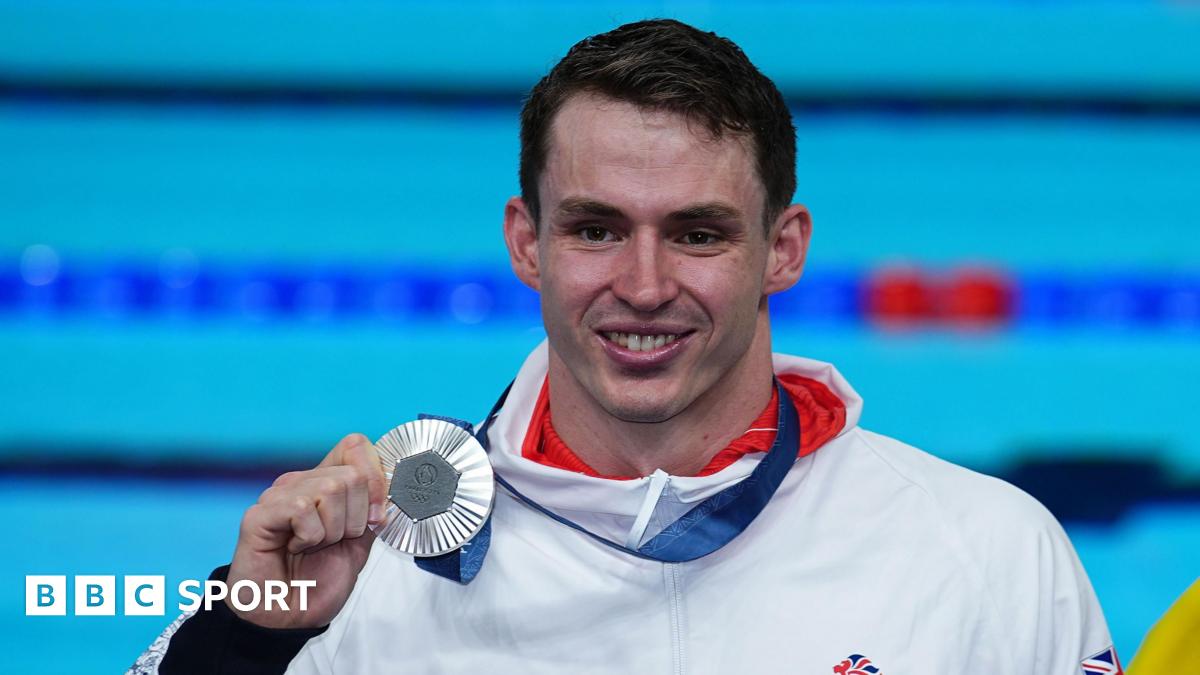
The Growing Divide: Athlete Participation in the Enhanced Games Sparks Controversy
The world of competitive sports is facing a new challenge with the emergence of the Enhanced Games, an event openly promoting the use of performance-enhancing drugs. This has ignited a fierce debate, particularly after revelations that British swimmer Ben Proud participated in the inaugural event. The situation highlights a basic clash in philosophies regarding athletic achievement and the integrity of competition.
Proud, a former Commonwealth Games gold medalist, previously voiced strong support for clean sport initiatives like UK Anti-Doping’s (Ukad) Clean Sport Week. This makes his involvement in the Enhanced Games particularly striking, especially considering the outspoken opposition to doping from teammates Adam Peaty and Duncan Scott.
A Fundamental Disconnect
Proud articulated a clear distinction between “traditional sport” and the Enhanced Games, viewing them as fundamentally separate entities. He expressed frustration with the ongoing battle against doping in established competitions, acknowledging the inherent difficulties in maintaining a truly level playing field.
He believes that despite rigorous testing protocols, athletes will always seek ways to gain an edge. This constant “cat and mouse game” erodes trust in the fairness of traditional sports. Proud emphasized the significant time and effort athletes dedicate to anti-doping compliance,including frequent testing and sample provision.
Official Condemnation
The response from governing bodies has been swift and unequivocal. Ukad chief executive Jane Rumble expressed deep disappointment, stating the event ”flies in the face of the true spirit of sport” and ultimately diminishes those involved.
A British Olympic Association spokesperson vehemently opposed the Enhanced Games, labeling it a “cynical and dangerous event.” The World Anti-Doping Agency (Wada) reiterated its previous condemnation, describing the concept as “dangerous and irresponsible.”
The Reality of Doping in Sport
Wada’s latest Anti-Doping Rule Violations (ADRVs) report, published in July 2023 covering 2022, reveals the ongoing prevalence of doping. From 241,143 samples collected, 0.82% (1,979) returned adverse findings. Of those, 69.5% (1,376) resulted in confirmed ADRVs.
These statistics underscore the challenges faced by anti-doping agencies worldwide. Despite significant investment and increasingly complex testing methods, eliminating doping entirely remains an elusive goal.
What Does This Mean for the Future?
The emergence of the enhanced Games forces a critical conversation about the future of competitive sports. Hear’s what you need to consider:
A Divided Landscape: The existence of events like the Enhanced Games could create a parallel sporting world,attracting athletes willing to embrace pharmacological enhancement.
Erosion of Trust: Continued doping scandals, even in traditional sports, damage public trust and undermine the value of athletic achievement.
Ethical Considerations: The debate extends beyond performance enhancement to encompass the health risks associated with doping and the ethical implications of artificially altering athletic capabilities. The Need for Innovation: Anti-doping agencies must continually adapt and innovate to stay ahead of those seeking to circumvent the rules.
Ultimately, the controversy surrounding the Enhanced Games serves as a stark reminder of the ongoing struggle to uphold the principles of fair play and integrity in sports. It’s a challenge that demands a collaborative effort from athletes, governing bodies, and anti-doping organizations to protect the future of competition.
Worth a look