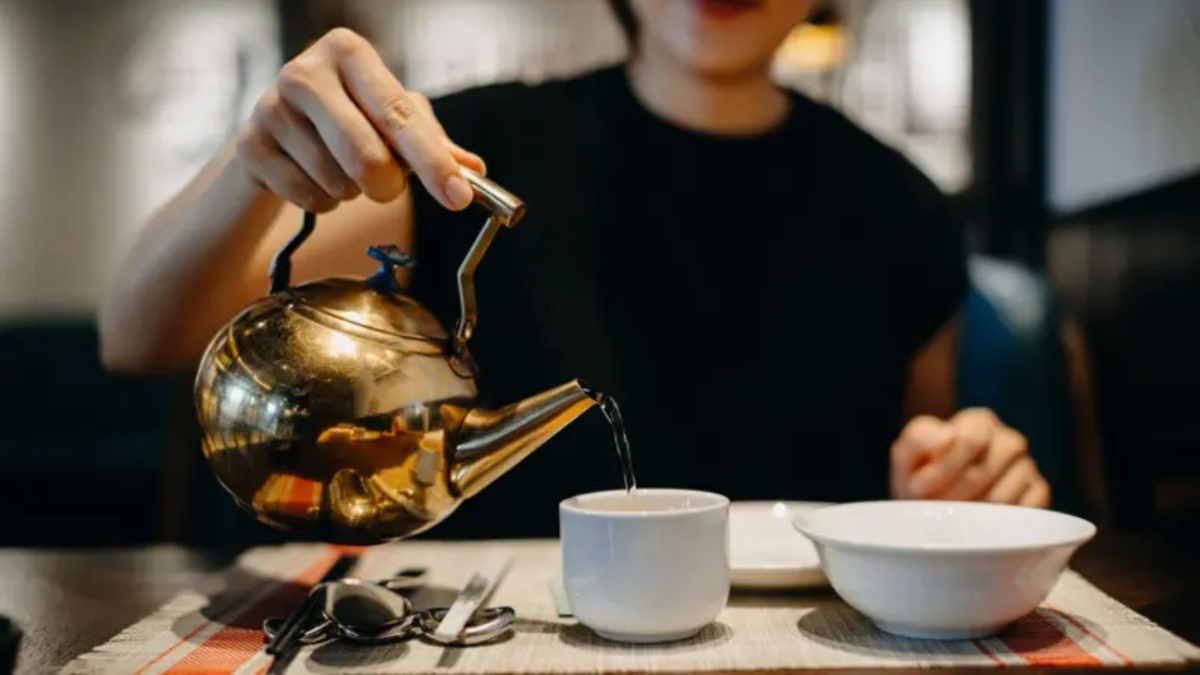
The Ancient Practice and Modern Debate: Drinking Warm Water in Traditional Chinese Medicine
For centuries, the ritual of sipping warm water in the morning has been a cornerstone of traditional Chinese medicine (TCM), believed to harmonize the body’s energy and promote wellness. In recent years, this practice has gained global traction, fueled by social media trends and wellness influencers touting its supposed “detoxifying” effects. But as its popularity surges, so does the scrutiny from modern medicine, which challenges many of the claims rooted in ancient wisdom. The divide between tradition and science raises a critical question: Does drinking warm water on an empty stomach truly offer health benefits, or is it another wellness myth?
Advocates of TCM argue that warm water—typically consumed at body temperature or slightly above—supports digestion, improves circulation, and even aids in “detoxification,” a concept deeply embedded in TCM philosophy. Yet, Western medical experts, including nephrologists and nutritionists, caution that the scientific evidence for these claims is scant. The debate underscores a broader tension between holistic health practices and evidence-based medicine, leaving consumers to navigate conflicting advice in an era where wellness trends often outpace rigorous research.
What Traditional Chinese Medicine Says About Warm Water
In TCM, the body is viewed as a dynamic system of energy, or Qi (气), that flows through meridians to maintain health. Illness and discomfort are often attributed to blockages or imbalances in this energy, and treatments aim to restore harmony. Warm water is considered a gentle yet powerful tool in this framework, particularly when consumed first thing in the morning or before meals.

According to TCM practitioners, drinking warm water on an empty stomach serves several purposes:
- Stimulating digestion: Warm water is believed to “awaken” the digestive system, preparing it for the day’s meals. TCM teaches that cold or iced beverages can “shock” the stomach, slowing digestion and leading to stagnation, while warm water encourages the smooth flow of Qi and blood.
- Promoting circulation: The warmth is thought to dilate blood vessels, improving circulation and helping the body deliver nutrients and oxygen more efficiently. This is particularly emphasized in TCM for individuals with “cold” constitutions, who may experience poor circulation, fatigue, or joint stiffness.
- Supporting “detoxification”: Unlike the Western concept of detoxification—which often focuses on eliminating specific toxins through organs like the liver and kidneys—TCM’s approach is more holistic. Warm water is said to help “flush” the body by encouraging sweating, urination, and bowel movements, thereby removing “dampness” (a TCM term for excess fluid or stagnation that can lead to fatigue, bloating, or inflammation).
- Balancing Yin and Yang: TCM posits that health depends on the balance between Yin (cool, passive energy) and Yang (warm, active energy). Drinking warm water is seen as a way to introduce Yang energy, counteracting excess Yin that may accumulate overnight or due to dietary habits (e.g., consuming too many raw or cold foods).
These principles are not just theoretical. they are woven into daily practices. For example, many TCM clinics recommend starting the day with a cup of warm water infused with ginger or lemon, a combination believed to enhance the warming and digestive effects. In China, this ritual is so ingrained that it is often served in homes, restaurants, and even hospitals as a default beverage, rather than cold water or ice.
However, it’s important to note that TCM’s approach to warm water is highly individualized. Practitioners assess a patient’s constitution, symptoms, and lifestyle before recommending specific habits. What works for one person—such as drinking warm water to alleviate bloating—may not be suitable for another with a “hot” constitution, who might be advised to avoid excessive warmth. This personalized approach contrasts sharply with the one-size-fits-all advice often seen in wellness trends.
The Scientific Perspective: What Does Research Say?
While TCM’s theories about warm water are compelling, modern science offers a more nuanced—and often skeptical—view. The most contentious claim is the idea that warm water “detoxifies” the body. According to Borja Quiroga, a nephrologist at Madrid’s Hospital Universitario de La Princesa, this notion is unsupported by evidence. In a widely shared Instagram video, Quiroga stated, “I’ve heard it many times: ‘Drinking a glass of warm water on an empty stomach detoxifies the body.’ But after extensive research, I’ve found no scientific evidence to support this. There is no reason to do it.”
Quiroga’s stance reflects a broader consensus in Western medicine. The human body is equipped with its own detoxification systems—the liver, kidneys, lungs, and skin—which efficiently eliminate waste and toxins without the necessitate for external interventions like warm water. The idea that a morning ritual could enhance these processes is not backed by peer-reviewed studies. In fact, a 2019 review published in the Journal of Human Nutrition and Dietetics found no credible evidence linking water temperature to detoxification or improved metabolic function.
That said, some aspects of TCM’s warm water recommendations do align with scientific principles, albeit in limited ways:
- Digestion: Warm water may help break down food more efficiently than cold water, particularly in individuals with sensitive digestive systems. A 2017 study in the Journal of Neurogastroenterology and Motility found that warm liquids can stimulate gastric motility, potentially aiding digestion. However, the effect is modest and varies by individual.
- Hydration: Drinking water in the morning, regardless of temperature, helps rehydrate the body after a night’s sleep. Dehydration can impair cognitive function, mood, and physical performance, so this benefit is well-documented. However, the temperature of the water appears to have little impact on hydration levels.
- Circulation: Warm water may temporarily improve blood flow by dilating blood vessels, a phenomenon known as vasodilation. This effect is short-lived and not unique to warm water—any warm liquid, such as tea or soup, would have a similar impact. There is no evidence that this translates to long-term health benefits.
- Constipation relief: Some studies suggest that warm water can help relieve constipation by stimulating bowel movements. A 2014 study in the European Journal of Clinical Nutrition found that warm water increased bowel movement frequency in individuals with functional constipation, though the sample size was small.
Despite these limited benefits, experts caution against overstating the effects of warm water. “While warm water may offer some minor advantages, it’s not a magic bullet,” said Dr. Sarah Jarvis, a general practitioner and medical advisor to the BBC. “The body is remarkably efficient at maintaining balance, and most people don’t need to go out of their way to ‘detoxify’ or ‘boost’ their systems with specific rituals.”
The Cultural Divide: Why the Debate Matters
The disagreement over warm water highlights a deeper cultural divide between Eastern and Western approaches to health. In TCM, health is not merely the absence of disease but a state of balance between the body, mind, and environment. Practices like drinking warm water are part of a broader philosophy that emphasizes prevention, harmony, and the interconnectedness of all bodily systems. This holistic view contrasts with Western medicine’s reductionist approach, which often focuses on treating specific symptoms or diseases with targeted interventions.
For many people in Asia, drinking warm water is not just a health practice but a cultural norm. In China, for example, it is common to see people carrying thermoses of warm water throughout the day, a habit encouraged by public health campaigns. The Chinese Ministry of Health has even promoted warm water consumption as part of its guidelines for maintaining health during seasonal changes, citing its role in preventing colds and improving digestion.
In the West, however, warm water is often viewed through the lens of wellness trends, which can distort its original intent. Social media platforms like TikTok and Instagram have amplified claims about warm water’s benefits, with influencers touting it as a “detox hack” or a “metabolism booster.” These oversimplified narratives can lead to misinformation, as the nuances of TCM—such as the importance of individual constitution—are often lost in translation.
The commercialization of warm water has also raised concerns. Wellness brands have capitalized on the trend, marketing expensive “detox water” products or specialized cups designed to keep water warm for hours. Critics argue that these products prey on consumers’ desire for quick fixes, offering little more than a placebo effect. “The wellness industry thrives on selling hope, often without evidence,” said Timothy Caulfield, a professor of health law and science policy at the University of Alberta. “Warm water is harmless, but it’s not a cure-all, and consumers should be wary of exaggerated claims.”
Who Should (and Shouldn’t) Try Warm Water
Given the lack of strong scientific evidence, is there any harm in drinking warm water? For most people, the answer is no—provided it is consumed safely. Warm water is unlikely to cause harm, and for some, it may offer minor benefits, such as improved digestion or temporary relief from constipation. However, there are a few considerations to keep in mind:
- Temperature matters: Water that is too hot can scald the mouth, throat, or esophagus, leading to burns or long-term damage. The ideal temperature for warm water is around 120–140°F (50–60°C), which is warm to the touch but not scalding. Boiling water should always be allowed to cool before drinking.
- Individual health conditions: People with certain medical conditions, such as gastroesophageal reflux disease (GERD) or esophageal sensitivity, may find that warm water exacerbates their symptoms. Similarly, individuals with “heat” conditions in TCM (e.g., chronic inflammation, acne, or anxiety) may be advised to avoid excessive warmth.
- Hydration needs: While warm water can contribute to daily hydration, it is not inherently superior to room-temperature or cold water. The most important factor is drinking enough water throughout the day, regardless of temperature. The National Academies of Sciences, Engineering, and Medicine recommends about 15.5 cups (3.7 liters) of fluids per day for men and 11.5 cups (2.7 liters) for women, including fluids from all beverages and foods.
- Cultural context: For those interested in exploring TCM, warm water is just one small part of a larger system. It is most effective when combined with other TCM practices, such as acupuncture, herbal medicine, or dietary adjustments tailored to an individual’s constitution. Consulting a licensed TCM practitioner can provide personalized guidance.
For skeptics, the key takeaway is that warm water is not a panacea. While it may offer some benefits, these are likely modest and should not replace evidence-based health practices, such as a balanced diet, regular exercise, and adequate hydration. As Quiroga noted, “The body doesn’t need special rituals to function optimally. What it needs is consistent, healthy habits.”
Key Takeaways
- Traditional Chinese Medicine (TCM) views warm water as a tool for harmonizing Qi, improving digestion, and promoting circulation. It is often consumed in the morning or before meals to “awaken” the digestive system and balance Yin and Yang.
- Western medicine is skeptical of claims that warm water “detoxifies” the body. The liver and kidneys are highly efficient at eliminating toxins, and there is no scientific evidence that warm water enhances this process.
- Some minor benefits of warm water are supported by science, such as improved digestion and temporary relief from constipation. However, these effects are modest and vary by individual.
- Warm water is generally safe for most people, but it should be consumed at a safe temperature (120–140°F or 50–60°C) to avoid burns. Individuals with certain health conditions, such as GERD, may need to avoid it.
- The debate over warm water reflects broader cultural differences between Eastern and Western approaches to health. TCM emphasizes holistic balance, while Western medicine focuses on evidence-based interventions for specific conditions.
- Wellness trends often oversimplify TCM practices, leading to misinformation. Consumers should approach exaggerated claims with caution and seek guidance from licensed practitioners.
What’s Next?
As interest in holistic health practices continues to grow, the conversation around warm water—and TCM more broadly—is likely to evolve. Researchers are increasingly exploring the potential benefits of traditional therapies, with some studies suggesting that practices like acupuncture and herbal medicine may have merit for certain conditions. However, the scientific community remains divided on the efficacy of many TCM rituals, including warm water consumption.

For now, the best approach may be one of balance: embracing the cultural wisdom of TCM while remaining grounded in scientific evidence. Drinking warm water is unlikely to harm most people, and for those who find it comforting or beneficial, it can be a simple addition to a healthy lifestyle. But it should not be seen as a substitute for proven medical treatments or a magic solution to health woes.
As the debate continues, one thing is clear: the intersection of tradition and science offers a fascinating glimpse into how different cultures understand health and wellness. Whether you’re a skeptic or a believer, the conversation itself is a reminder that health is not one-size-fits-all—and that sometimes, the most valuable insights come from listening to both ancient wisdom and modern research.
What’s your take? Do you drink warm water in the morning, or do you prefer it cold? Share your thoughts in the comments below—and don’t forget to share this article with friends who might be curious about the science (and tradition) behind this wellness trend.