
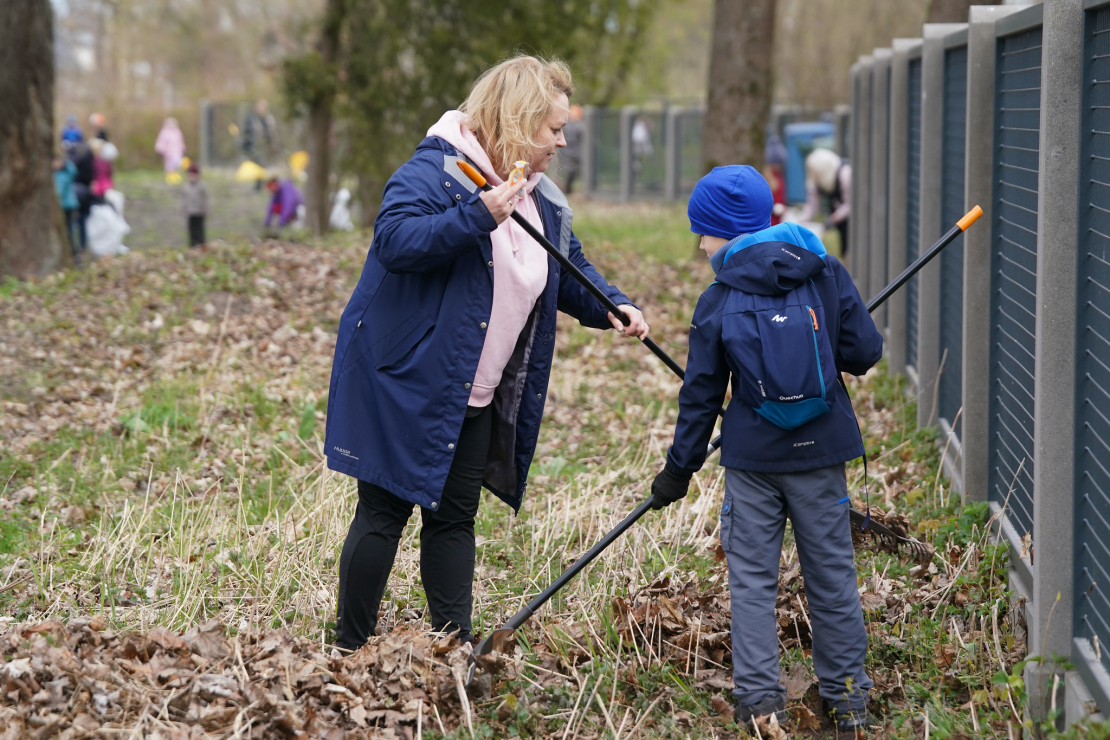
Latvia’s Mass Cleanup Event Collects Over 60 Tons of Waste in Single Day
RIGA — In one of Europe’s largest civic environmental actions, Latvia’s annual “Lielā talka” (Big Cleanup) mobilized thousands of volunteers across the country on April 27, 2026, resulting in the collection of more than 60 tons of waste in a single day. The initiative, now in its 18th year, saw participation in over 1,150 locations nationwide, with Riga alone accounting for a significant portion of the cleanup efforts.
The event, organized by the nonprofit organization Talkas.lv in collaboration with state institutions, local governments, and private partners, has grown into a national tradition. This year’s theme, “We are nature! We are together! We are Latvia!” emphasized community solidarity and environmental stewardship, reflecting the country’s deep cultural connection to its natural landscapes.
According to official figures released by the organizers, volunteers removed a diverse range of waste, including household garbage, construction debris, discarded furniture, and even hazardous materials like tires, and mattresses. The cleanup targeted parks, forests, riverbanks, and urban areas, with many participants documenting their efforts through photos and social media posts shared on the event’s official platform.
A Nationwide Effort with Local Impact
The scale of this year’s cleanup was unprecedented. Data from Talkas.lv shows that 1,150 cleanup sites were registered across Latvia, spanning from the capital Riga to little rural communities. In Riga, volunteers focused on high-traffic areas such as parks, public squares, and the banks of the Daugava River, where illegal dumping has been a persistent issue.
One of the most striking aspects of the event was the variety of waste collected. Reports from local media outlets, including Latvian Public Broadcasting (LSM), highlighted the discovery of bulky items such as ancient mattresses, broken furniture, and car tires, which were removed from forests and riverbanks. These findings underscore the broader challenge of illegal dumping in Latvia, where remote areas often become targets for fly-tipping due to limited enforcement and public awareness.
The cleanup also served as an educational opportunity. Organizers provided guidance on proper waste sorting and recycling, with many volunteers using specially designed “Talka bags” provided by the supermarket chain Rimi. These bags, distributed free of charge, helped streamline the collection process and ensured that recyclable materials were separated from general waste.
Environmental and Cultural Significance
Lielā talka is more than just a cleanup event; it is a cultural phenomenon that reflects Latvia’s commitment to environmental sustainability and community engagement. The initiative was first launched in 2008 as a response to growing concerns about littering and illegal dumping, particularly in natural areas. Over the years, it has evolved into a nationwide movement, with participation rates fluctuating but remaining consistently high.
This year’s event was particularly significant as organizers push to have the tradition recognized as part of Latvia’s intangible cultural heritage. Vita Jaunzeme, the head of Lielā talka, emphasized the importance of documenting the event’s impact to support this effort. “Lielā talka is not just about cleaning up; it’s about preserving a unique aspect of Latvian identity—our collective responsibility for the environment,” Jaunzeme said in a statement published on the event’s official website.
The environmental impact of the cleanup is substantial. Latvia, known for its vast forests and pristine natural landscapes, faces ongoing challenges with waste management, particularly in rural areas where infrastructure is limited. Events like Lielā talka help mitigate these issues by removing waste that would otherwise pollute ecosystems, harm wildlife, and contribute to broader environmental degradation.
In addition to the immediate benefits of waste removal, the event fosters long-term behavioral change. Many participants return year after year, and the visibility of the cleanup encourages others to adopt more sustainable practices in their daily lives. Schools, businesses, and local governments often use the event as an opportunity to educate the public about recycling, waste reduction, and the importance of protecting natural habitats.
Challenges and Criticisms
Despite its success, Lielā talka has faced criticism in recent years. Some observers argue that the event, while well-intentioned, does not address the root causes of Latvia’s waste management problems. Illegal dumping, for example, remains a persistent issue, with many rural areas lacking adequate waste collection services or enforcement of environmental regulations.
A 2025 survey conducted by the Latvian Environmental Protection Agency found that nearly 30% of respondents admitted to disposing of waste improperly at least once in the past year, citing convenience and lack of access to disposal facilities as primary reasons. Critics of Lielā talka argue that while the event raises awareness, it does not provide sustainable solutions to these systemic issues.
Organizers acknowledge these challenges but emphasize that the event is just one part of a broader strategy to improve waste management in Latvia. “Lielā talka is not a cure-all, but it is a powerful tool for education and community engagement,” said Jaunzeme. “Our goal is to inspire long-term change, not just a one-day cleanup.”
Another point of contention is the declining participation in some regions. While overall turnout remains strong, certain areas have seen a drop in volunteer numbers. Some former participants cite burnout, while others express frustration that the event does not lead to more permanent solutions. However, organizers note that the event’s decentralized nature—where local communities plan and execute their own cleanups—helps maintain its relevance and adaptability.
How the Public Can Still Get Involved
For those who missed the main event on April 27, there is still an opportunity to contribute. Organizers have extended the collection period for leaf waste, which can be dropped off at designated recycling centers across the country. According to Talkas.lv, volunteers can register their cleanup sites on the event’s website until the end of May, allowing for smaller, localized efforts to continue throughout the spring.
Residents of Riga and other municipalities can find information about local collection points on their city’s official website or through the Latvian Environmental Protection Agency. The agency also provides guidelines on how to properly sort and dispose of different types of waste, including hazardous materials like batteries and electronics.
For those interested in participating in future events, Lielā talka typically takes place in late April each year. Volunteers can sign up on the official website, where they can also find resources on organizing their own cleanup initiatives, whether in urban parks, forests, or along riverbanks.
The Broader Context: Latvia’s Environmental Goals
Lielā talka aligns with Latvia’s broader environmental objectives, including its commitments under the European Union’s Circular Economy Action Plan and the UN Sustainable Development Goals. The country has made significant progress in waste management in recent years, with recycling rates increasing from 25% in 2015 to over 40% in 2025, according to data from the Central Statistical Bureau of Latvia.

However, challenges remain. Latvia generates approximately 1.2 million tons of municipal waste annually, with only a fraction being recycled or composted. The rest is either incinerated or sent to landfills, contributing to pollution and greenhouse gas emissions. The Latvian government has set a target to recycle 55% of municipal waste by 2025, but achieving this goal will require significant investment in infrastructure and public education.
Events like Lielā talka play a crucial role in these efforts by fostering a culture of environmental responsibility. They also provide valuable data on waste patterns, which can inform policy decisions and help target areas with the greatest need for intervention.
What Happens Next?
With the main cleanup event now complete, organizers are focusing on documenting the results and preparing for next year’s edition. A full report on the 2026 Lielā talka, including detailed statistics on waste collection and volunteer participation, is expected to be released in June. The report will also highlight success stories from local communities and provide recommendations for improving future events.
In the meantime, volunteers are encouraged to share their experiences on social media using the hashtag #LielāTalka2026. Organizers hope that these stories will inspire others to grab action, whether by participating in future cleanups or adopting more sustainable habits in their daily lives.
For those interested in staying updated on environmental initiatives in Latvia, the Latvian Environmental Protection Agency and Latvian State Forests provide regular updates on waste management policies, recycling programs, and community engagement opportunities.
As Latvia continues to grapple with the challenges of waste management and environmental protection, initiatives like Lielā talka serve as a reminder of the power of collective action. While the event alone cannot solve the country’s waste problems, it is a vital step toward building a more sustainable future—one cleanup at a time.
Have you participated in Lielā talka or a similar environmental initiative? Share your experience in the comments below, and don’t forget to share this article to raise awareness about the importance of community-driven environmental action.