
In the rapidly evolving landscape of digital collaboration, project managers are increasingly re-evaluating their core infrastructure. As we navigate the complexities of 2026, the search for the best Asana alternatives has become a priority for teams looking to optimize workflows, manage budgets more effectively and improve cross-departmental communication. Whether you are scaling a startup or managing a distributed enterprise team, the right project management software can be the difference between operational friction and seamless execution.
My background in software engineering and my tenure as a technology editor have taught me that no single platform fits every organization. The “best” tool is often defined by your specific team size, technical requirements, and the existing ecosystem of tools—such as CRM integrations or development environments—that you already rely on. Today, we are looking at options that prioritize usability, scalability, and robust feature sets to ensure your project management strategy remains agile.
Evaluating Your Project Management Infrastructure
Before switching platforms, it is critical to perform an internal audit of your current pain points. Are you struggling with feature bloat, or is the subscription cost becoming unsustainable? According to industry analysis from Gartner on project portfolio management, organizations that align their software selection with specific business outcomes—rather than just feature parity—often see higher adoption rates among stakeholders. This is a vital consideration when evaluating Asana alternatives.
When reviewing software, I look for three non-negotiable pillars: intuitive user interface (UI), integration capabilities, and data transparency. A tool that is difficult to navigate often leads to “shadow IT,” where team members abandon the official platform for spreadsheets or email, effectively breaking your project visibility. Modern project management software must act as a single source of truth for all project stakeholders.
Top Contenders for 2026
While the market is flooded with SaaS solutions, several platforms have distinguished themselves this year through consistent updates and user-friendly design. When comparing these tools, consider how they handle task dependencies, resource allocation, and automated reporting.
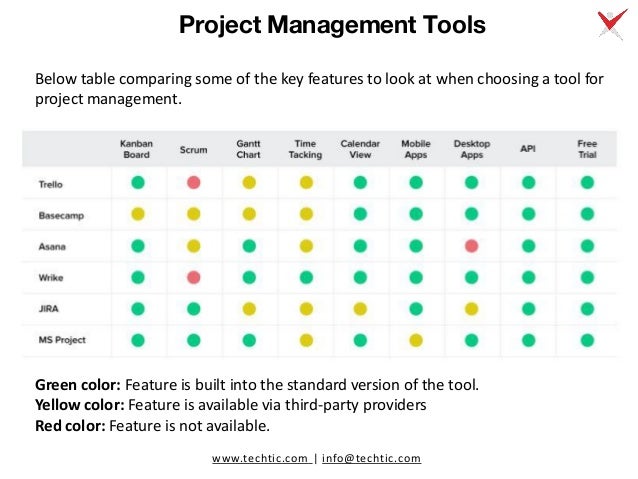
- Monday.com: Often cited for its highly visual, board-based interface, Monday.com excels in customization. Its automation recipes allow teams to reduce manual administrative tasks significantly.
- ClickUp: Known for its “one app to replace them all” philosophy, ClickUp is a powerhouse for teams that need document management, whiteboarding, and task tracking in one environment.
- Trello: For teams that prefer a Kanban-first approach, Trello remains the gold standard for simplicity. It is particularly effective for smaller teams or projects that require a lower barrier to entry.
- Wrike: If your organization requires deep reporting and enterprise-grade security, Wrike offers sophisticated tools for managing complex project portfolios and resource management at scale, as detailed in Wrike’s own resource center on project management software comparisons.
The Importance of Integration and Scalability
An often overlooked factor in software selection is how well a tool integrates with your existing stack. If your development team uses GitHub or Jira, and your sales team relies on Salesforce, your project management tool must bridge these gaps. The ability to push and pull data via APIs is essential for avoiding data silos. In 2026, the most effective tools are those that treat integrations as a first-class citizen rather than an afterthought.
consider the long-term cost of ownership. Many platforms offer tiered pricing that can become prohibitive as your team grows. Always review the Federal Trade Commission’s guidance on business contracts and subscription services if you are concerned about long-term lock-in or hidden costs associated with enterprise-level agreements.
How to Choose the Right Tool for Your Team
To make the right decision, I recommend a structured pilot program. Select a compact, cross-functional team to test your top two alternatives for a 30-day period. Use this time to track not just the technical capabilities, but also the “soft” metrics: How quickly did the team onboard? How much time was saved on status meetings? Was the interface intuitive enough for non-technical users?
By centering your evaluation on these practical metrics, you remove the guesswork from the selection process. Remember that the best software is the one that your team actually uses. If the interface is too complex, even the most powerful feature set will be ignored, leading to missed deadlines and poor project outcomes.
Next Steps for Project Leaders
The project management landscape will continue to shift as AI-driven features become standard, including predictive scheduling and automated resource leveling. For the latest updates on software security standards and industry compliance, keep an eye on NIST’s Cybersecurity Framework, which frequently informs the security requirements of modern enterprise SaaS platforms.
As you navigate these choices, I invite you to share your experiences in the comments below. What has been your biggest challenge in transitioning between project management platforms? Are there specific features you find indispensable for your team’s success in 2026? Let’s keep the conversation going.
Related reading