
Amazon’s Astro, a consumer home robot first introduced in 2021, represents a significant case study in the challenges of designing “character” into autonomous hardware. While the device was engineered to map home environments, patrol for security, and assist with tasks, the development process underscored a fundamental tension in robotics: whether a machine should function as a utility or a distinct, recognizable presence. According to reports from the development team, the project faced a core decision regarding whether the robot should simply act as an interface for the Alexa voice assistant or function as an independent character with its own non-verbal communication systems.
The design of consumer-facing embodied AI, such as Amazon’s Astro, requires developers to move beyond traditional software interaction models. As the technology moves into domestic spaces, the user’s perception of the machine—often described as “soul” or “character”—is frequently formed by how the robot navigates, reacts to obstacles, and communicates without speech. This evolution in user experience (UX) design is becoming increasingly critical as more companies release mobile, autonomous devices intended for long-term integration into family households.
Defining Character in Embodied AI
For developers at Amazon, the development of Astro involved answering foundational questions about the emotional range of a domestic machine. Because the robot was designed to move through private spaces, the team had to establish a “baseline state” that felt natural rather than intrusive. According to industry design standards for robotics, the goal is to create a machine that communicates intent clearly without causing user frustration or eroding trust. This involves calibrating how a robot expresses uncertainty—such as pausing or tilting its screen—so that users understand the machine is processing information rather than malfunctioning.
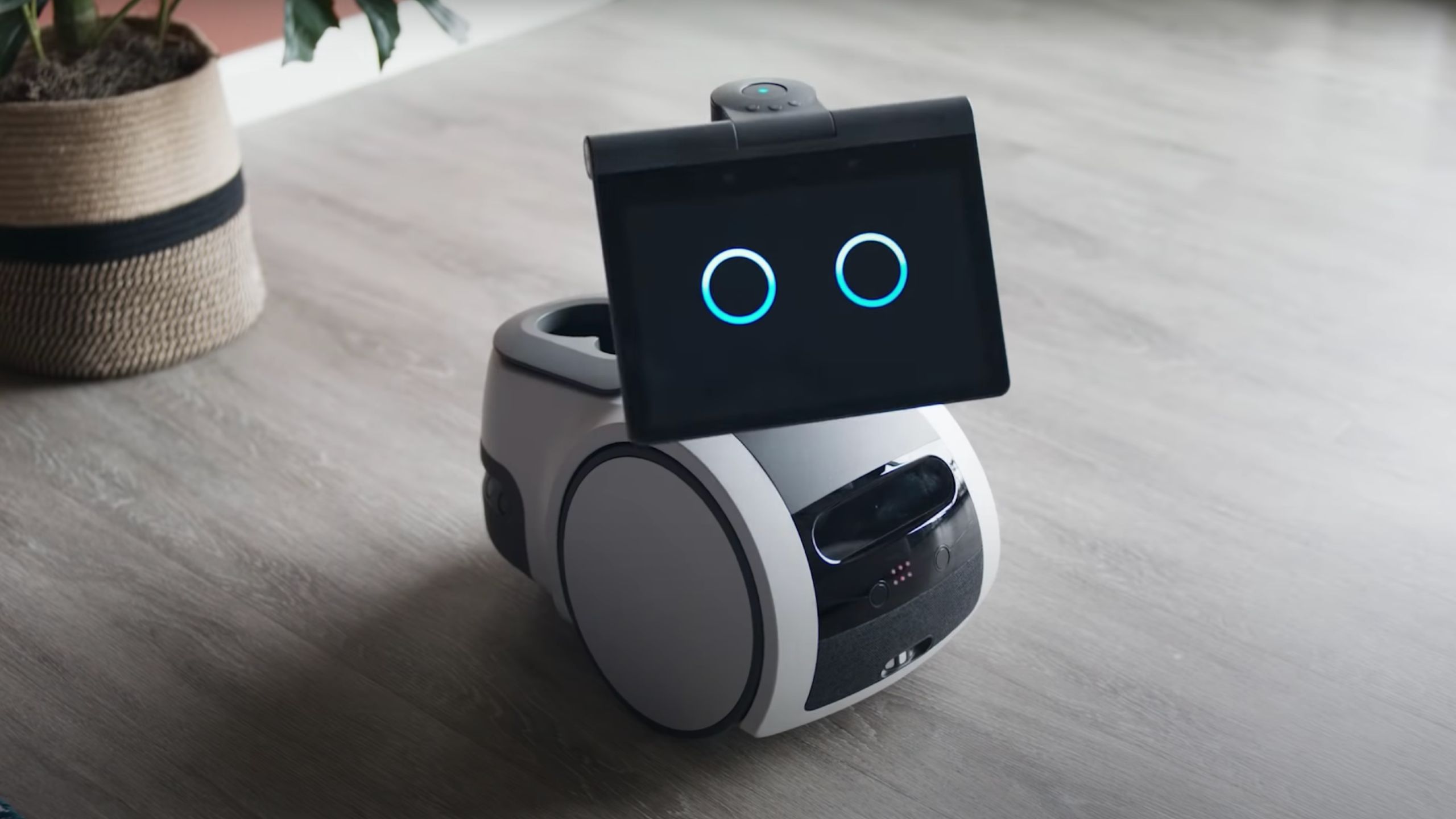
Character design for hardware is not merely an aesthetic choice; it is a technical requirement for seamless human-robot interaction. When an animation or a sound response is slightly out of sync, users often experience a “disjointed” feeling that breaks their suspension of disbelief. This phenomenon, often compared to the “uncanny valley” in computer-generated imagery, occurs when a machine’s physical output fails to align with its expected behavioral logic. Engineers now emphasize “character stitching,” or the fluid transition between expressive states, to ensure that a robot’s movements appear to stem from an internal logic rather than a pre-programmed clip.
The Role of Sound and Narrative
Without the reliance on spoken dialogue, the Astro team utilized a vocabulary of tones, rhythms, and subtle mechanical movements to build the robot’s personality. In the early stages of development, the team created specific narrative arcs for basic actions, such as the robot “waking up.” Rather than a standard boot sequence, the team designed a performance where the device would orient itself, check its sensors, and perform a brief, calibrated movement to signal it was ready to interact with its environment. This approach demonstrates how sound and motion can serve as a non-verbal language, allowing the machine to express purpose and readiness.
User feedback during the testing of such devices frequently cites the “aliveness” of the robot as a primary indicator of successful design. When sound, motion, and visual expressions on the device’s display align in harmony, users are more likely to attribute agency to the machine. This “contextual character” is what differentiates a device that is merely “smart”—meaning it can execute commands—from one that is “aware,” meaning it responds to the specific energy and social context of a room. As artificial intelligence advances, the ability for these robots to learn the unique rhythms of a household will likely shift the design focus from hard-coded responses to adaptive, learning-based behaviors.
Why Character Design Matters for the Future
As the industry moves toward a new wave of embodied AI, character design often remains an afterthought compared to hardware specifications or software features. However, research suggests that users project intent onto moving objects regardless of whether that behavior was intentionally designed. If a company fails to define the character of a product, the resulting personality is often the byproduct of unrelated, uncoordinated decisions, which can lead to a device that feels confusing or untrustworthy to the average consumer. For product leaders, the challenge is to prioritize character design as a core utility rather than a final layer of polish.

The current landscape of consumer robotics indicates that the most successful products will be those that prioritize three specific design pillars: defining character before interaction logic, integrating story and sound into the early production pipeline, and designing for long-term adaptation. By treating the machine’s character as a design system, companies can ensure that their products not only perform tasks but also integrate into the social fabric of a home environment. As the technology matures, the ability to create robots that feel “present” will be a key differentiator in the consumer electronics market.
Moving forward, the industry is expected to see more integration of generative AI into physical robots, allowing for more fluid and context-aware interactions. While Amazon’s Astro set an early benchmark for how a consumer robot might inhabit a home, the next generation of devices will likely rely on deeper data-driven adaptation to grow alongside their users. Future updates regarding the capabilities and market expansion of these robots will be provided by official company announcements and industry trade reports.
If you have thoughts on how robots should interact with families, or if you have experienced these design choices firsthand, please share your perspective in the comments below.