Every summer, the Parc des Expositions de Paris-Nord Villepinte transforms into a sprawling, neon-lit epicenter of global pop culture. What began as a niche gathering for enthusiasts of Japanese animation and manga has undergone a profound metamorphosis. Today, Japan Expo is no longer merely a convention; it has evolved into a massive cultural phenomenon that bridges the gap between fandom and high-end lifestyle, earning it the unofficial title of the “Fashion Week for Mangakas.”
This evolution reflects a broader shift in how global audiences consume Japanese media. The event has transcended the boundaries of traditional fan conventions, integrating elements of haute couture, professional craftsmanship, and traditional Japanese arts into a single, cohesive experience. For the hundreds of thousands of visitors who descend upon the outskirts of Paris each year, the event serves as a living testament to the “soft power” of Japanese culture.
As we look toward the grander scale of the event’s roadmap leading into 2026, the intersection of fashion, identity, and pop culture is becoming increasingly sophisticated. The emphasis is shifting from simple consumption to high-level creation, where the lines between a fan, a designer, and a performer become indistinguishably blurred.
The Transformation of a Subculture: From Niche to Mainstream
To understand the current magnitude of Japan Expo, one must look at its trajectory. Decades ago, the gathering was a gathering of specialists—people deeply invested in specific manga series or obscure video games. While those roots remain the heartbeat of the event, the scope has expanded exponentially. The contemporary attendee is as likely to be interested in Japanese street fashion or traditional tea ceremonies as they are in the latest seasonal anime.
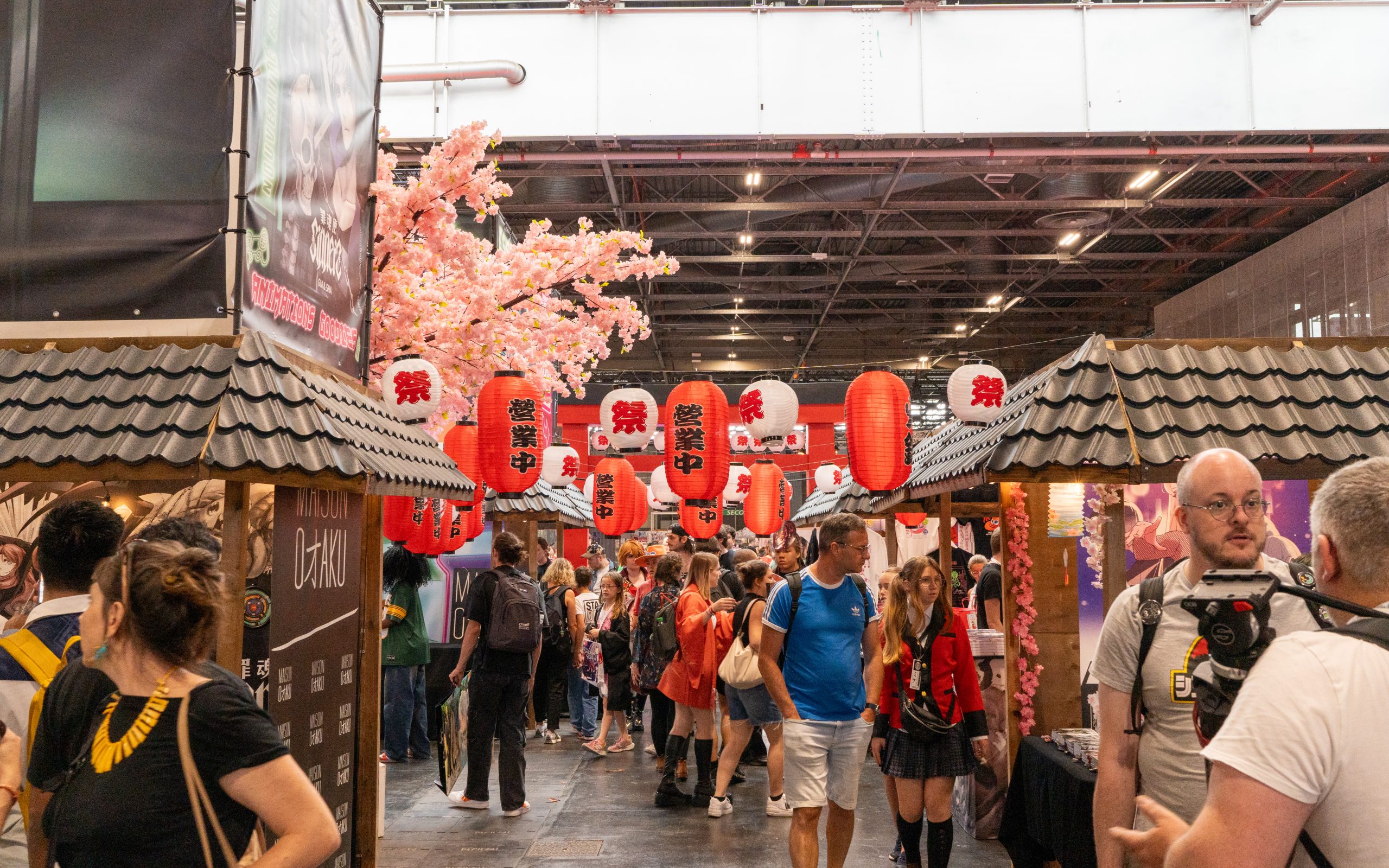
This expansion is not accidental. It is a response to the globalized nature of Japanese media. As platforms like Crunchyroll and Netflix bring anime to the mainstream, the demographic of the fan base has diversified. This new audience brings with them a demand for a holistic experience. They do not just want to watch a show; they want to wear the aesthetic, taste the cuisine, and engage with the lifestyle that the media represents.
The event now functions as a massive cultural exhibition. Beyond the gaming booths and manga stalls, significant floor space is dedicated to the “traditional” side of Japan. This includes martial arts demonstrations, calligraphy workshops, and culinary showcases. By grounding modern pop culture in historical tradition, Japan Expo provides a depth that distinguishes it from standard commercial trade shows.
Cosplay as High Art: The “Fashion Week” Phenomenon
The comparison to a “Fashion Week” is perhaps the most striking aspect of the modern Japan Expo experience. This stems largely from the incredible elevation of cosplay. What was once characterized by simple homemade costumes has transitioned into a discipline of professional-grade artistry. Today’s top-tier cosplayers utilize advanced materials—such as thermoplastic, 3D-printed resins, and intricate hand-sewn textiles—to create garments that rival runway collections.
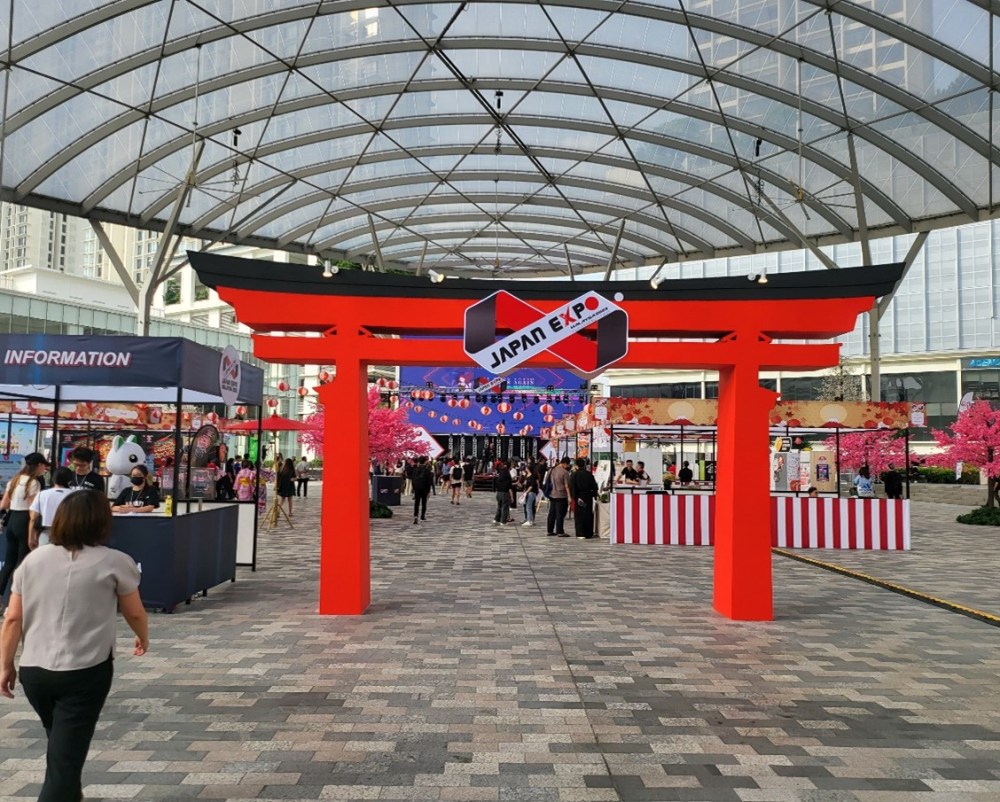
This “cosplay couture” has created a new micro-economy within the convention. Professional makers, wig stylists, and prop builders now treat the event as a premier stage to showcase their technical mastery. For many, the goal is no longer just to “look like” a character, but to interpret that character through a high-fashion lens, often incorporating elements of Harajuku street style or avant-garde design.
The visual impact of Here’s immense. The walkways of the Paris-Nord Villepinte act as a de facto runway, where the sheer quality of the craftsmanship draws photographers, influencers, and industry scouts. This visibility has elevated the status of cosplayers from hobbyists to legitimate creators and influencers within the broader entertainment and fashion landscapes.
A Multidimensional Cultural Experience
While fashion and cosplay dominate the visual narrative, the true strength of Japan Expo lies in its multifaceted approach to Japanese identity. The event serves as a comprehensive gateway to a culture that is often misunderstood when viewed solely through the lens of digital media.
- Music and Performance: From J-Pop idols to traditional Taiko drumming, the musical programming provides a sonic landscape that ranges from the ultra-modern to the ancient.
- Gastronomy: The inclusion of authentic Japanese culinary experiences allows attendees to engage with the culture through taste, moving beyond the “snack culture” often associated with anime.
- Gaming and Tech: As a hub for both retro gaming and cutting-edge mobile technology, the expo remains a vital site for the evolution of interactive entertainment.
- Traditional Arts: By hosting masters of traditional crafts, the event ensures that the “old Japan” is not lost in the shadow of the “new Japan.”
This multidimensionality is what ensures the event’s longevity. By catering to a wide spectrum of interests, Japan Expo creates a “sticky” ecosystem where different subcultures overlap and feed into one another, creating a sense of community that is both vast and deeply personal.
The Global Impact of Japanese Soft Power
The success of Japan Expo is a primary indicator of the success of Japan’s “Cool Japan” strategy—the government-backed effort to promote Japanese culture globally. The event demonstrates how cultural exports can drive massive economic activity and foster international goodwill. When fans from across Europe and the world travel to Paris to participate in this exchange, they are participating in a form of cultural diplomacy.
The economic implications are also significant. The sheer volume of attendees creates a massive surge in local tourism, hospitality, and retail. For the Japanese industries represented—from publishing giants to independent fashion designers—the expo is a critical touchpoint for international market testing and brand building.
the event highlights the growing importance of “fandom” as a driver of global trends. The aesthetics developed within these spaces—whether it is the specific look of a subculture fashion or the design of a digital character—frequently bleed into mainstream global fashion and design, proving that the influence of these communities is far from contained within the convention walls.
Key Takeaways: The Evolution of Japan Expo
| Feature | Early Years (Niche Era) | Modern Era (Lifestyle Era) |
|---|---|---|
| Primary Focus | Manga and Anime consumption | Holistic Japanese lifestyle & fashion |
| Cosplay Style | Fan-made, character accuracy | High-fashion, professional craftsmanship |
| Audience Profile | Specialized enthusiasts | Global pop culture mainstream |
| Cultural Scope | Entertainment-centric | Art, Food, Tradition, and Tech |
Looking Ahead: The Road to 2026
As the organization continues to scale, the focus remains on integrating emerging technologies and expanding the professionalization of its various sectors. The trajectory suggests that by 2026, the event will be even more deeply integrated into the global fashion and entertainment calendars, potentially seeing even greater collaboration with luxury brands and mainstream media conglomerates.
For fans and industry professionals alike, the evolution of Japan Expo is a signal of the enduring power of cultural hybridity. The event proves that when we celebrate the specificities of a culture with passion and artistry, we create a universal language that resonates far beyond its borders.
Official updates regarding future event dates, ticket releases, and guest announcements are typically released through the official Japan Expo channels.
What do you think about the shift toward fashion and high-end cosplay at major conventions? Is this the future of fan culture, or is it losing its original essence? Let us know in the comments below and share this article with your fellow enthusiasts!
- Pregnant Vogue Williams shows off her bump in a red bikini as she unwinds at a luxurious hotel with her children and sister Amber in Marbella
- Сюрприз в открытом море: солистка «Лицея» Настя Макаревич сыграла свадьбу на лайнере Astoria Grande
- Is the Cosplay Era Over? Passion vs. New Trends (archynewsy.com)