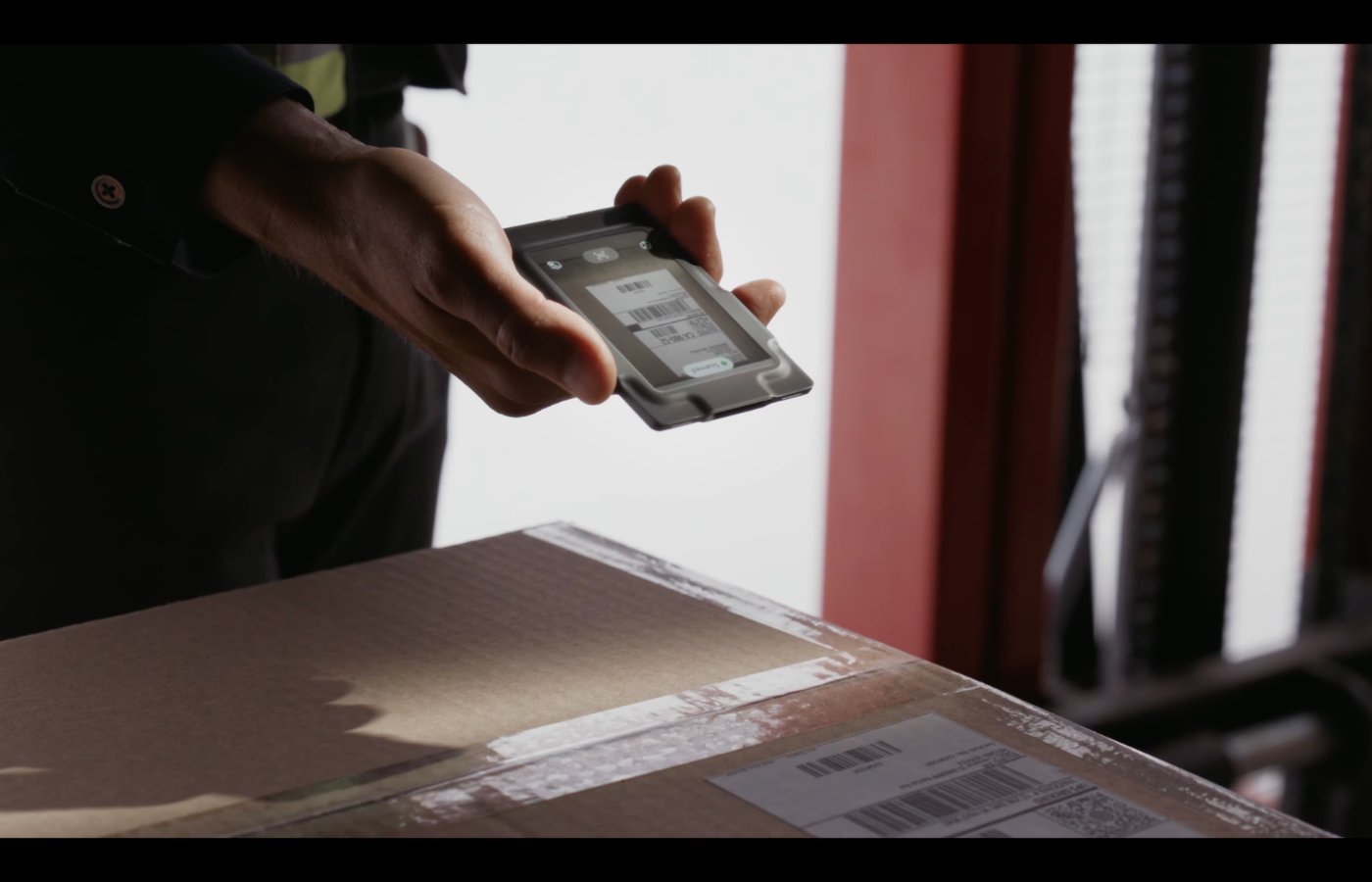
The era of the traditional computer—defined by the rigid boundaries of laptops, tablets, and smartphones—is facing a fundamental reimagining. At Microsoft Build 2026, the tech giant signaled a seismic shift in the computing landscape, moving away from device-centric interaction toward what they term “agent-first” experiences. This evolution, spearheaded by the newly unveiled Project Solara, suggests a future where hardware is no longer just a vessel for software, but a specialized partner designed to facilitate seamless, agent-driven interactions.
At the heart of this transformation is a move to redefine the very building blocks of digital life. Rather than focusing on how we use an operating system, Microsoft is exploring what happens when AI agents become the primary unit of both programming and human-to-machine interaction. This isn’t merely an incremental update to existing tools; It’s a blueprint for a new category of computing that prioritizes autonomy, task-oriented intelligence, and highly specialized hardware.
Project Solara represents a dual-pronged approach: a sophisticated software platform coupled with tailored hardware solutions. As industry discussions evolve following the Build 2026 announcements, the vision encompasses a wide spectrum of form factors—ranging from large, fixed enterprise systems to “hypermobile” concepts, such as wearable AI-enabled devices designed to assist workers in dynamic environments.
Redefining the Unit of Computing
For decades, the computer has been a tool that waits for human input. We open an app, navigate a menu, and execute a command. However, Microsoft’s Applied Sciences Group is challenging this paradigm. According to Steven Bathiche, CVP and Technical Fellow at Microsoft’s Applied Sciences Group, the rise of autonomous agents is changing not only how software is constructed but also the fundamental ways humans interact with technology.
The core mission of Project Solara is to pioneer experiences that are “shaped around you: your agents, your tasks, your environment, under your control.” This distinction is critical. In an agent-first model, the user does not necessarily interact with a specific application; instead, they interact with an agent that understands the context of the task, the user’s preferences, and the surrounding environment to deliver results across various digital touchpoints.
This shift introduces a new complexity to software development. When agents become the “new unit of programming,” developers must move beyond designing user interfaces (UI) and toward designing agentic workflows. This means creating software that is legible to AI, capable of executing multi-step reasoning, and able to operate reliably within a diverse ecosystem of hardware.
A Diverse Ecosystem of Agent-First Hardware
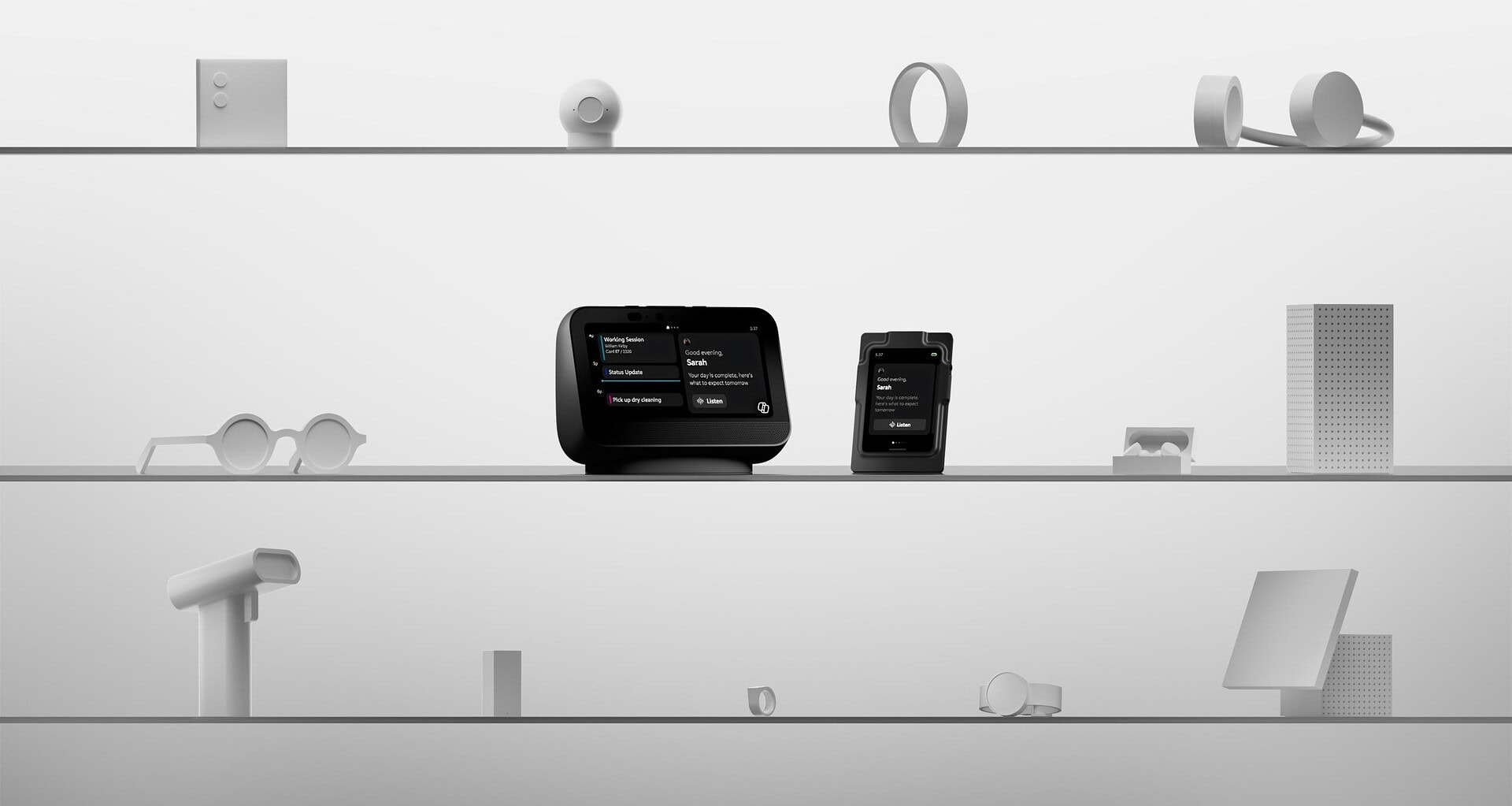
One of the most striking aspects of the Project Solara vision is the rejection of a “one size fits all” device. Historically, the cost and complexity of creating specialized hardware limited the diversity of computing forms. Microsoft suggests that AI and the rise of agents may finally break these barriers, allowing for the creation of specialized computers that cater to specific roles and environments without the traditional trade-offs.
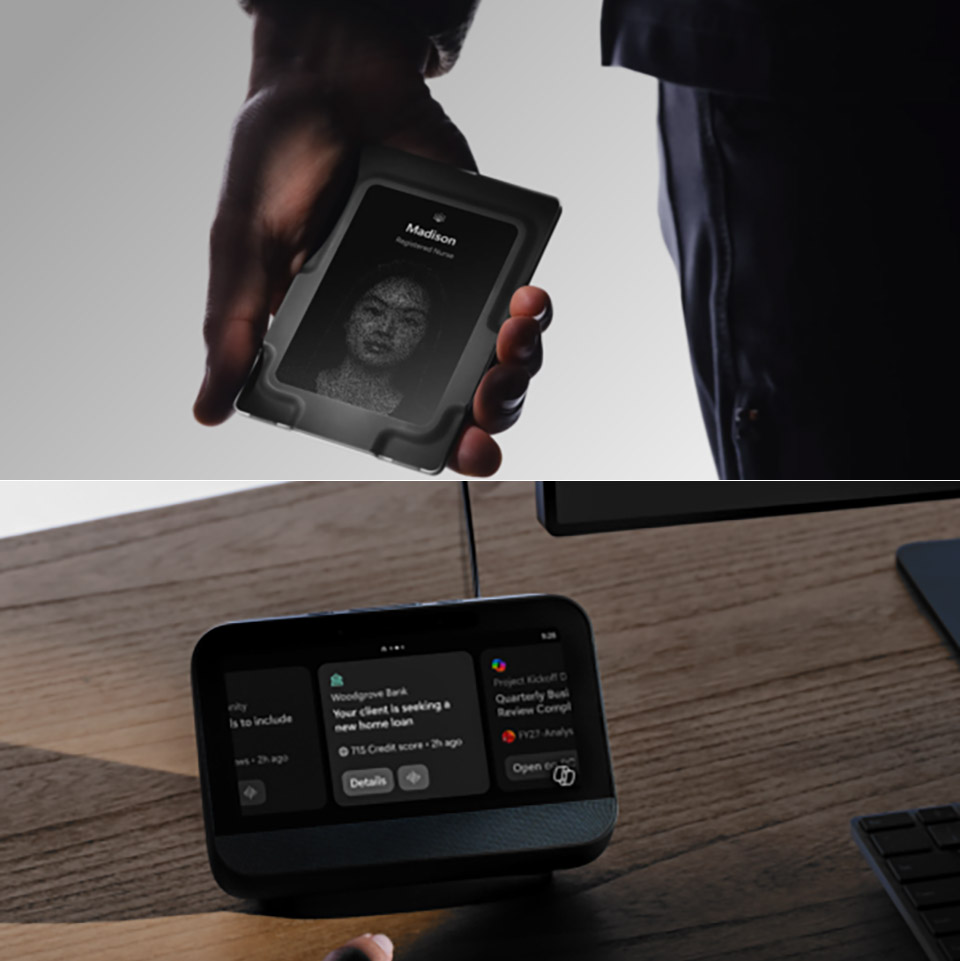
The company envisions an ecosystem that spans the entire spectrum of mobility and scale:
- Fixed Systems: Large-scale, high-performance computing nodes designed for stationary professional environments.
- Personal & Professional Devices: Enhanced versions of current form factors that are optimized for agentic interaction.
- Hypermobile Devices: Compact, highly portable, or wearable hardware intended to provide continuous, ambient assistance. This includes concepts that could integrate into a worker’s daily attire, providing a hands-free interface for AI agents to manage tasks in real-time.
This move toward specialized hardware is intended to support the unique computational demands of AI. Unlike traditional processors that excel at general-purpose tasks, agent-first hardware may require specific architectures to handle the continuous reasoning, real-time environmental sensing, and low-latency communication required for an agent to function effectively as a personal or professional companion.
The Microsoft Build 2026 session highlighted that this journey is beginning with two specific concepts designed specifically for the enterprise, signaling that the initial rollout of this technology will likely focus on high-stakes professional environments where efficiency and reliability are paramount.
Security and Privacy in an Agent-Driven World
As computing moves closer to the individual—and potentially onto the body via wearable technology—the stakes for security and privacy have never been higher. For Project Solara to succeed in an enterprise setting, Microsoft is placing a heavy emphasis on manageability, and protection. The Applied Sciences Group is working to ensure that as agents become more autonomous, they remain strictly under user and organizational control.
The enterprise-level focus of Project Solara includes several key pillars:
1. Manageability: For IT departments, the transition to agent-first devices requires new frameworks for deployment, monitoring, and updating. Managing a fleet of autonomous agents requires different protocols than managing a fleet of traditional laptops.
2. Security: Agents will have access to sensitive data to perform their tasks. Protecting these agents from prompt injection, unauthorized data access, and malicious manipulation is a central component of the Project Solara architecture.
3. Privacy Protections: Because agent-first devices may rely on environmental context (such as voice or visual data) to function, robust privacy-preserving technologies are essential. The goal is to provide “agent-first experiences” that respect the user’s environment and personal boundaries.
By building these protections into the foundational software platform, Microsoft aims to provide the “enterprise-level hardware and software manageability” necessary for large-scale adoption in regulated industries.
Key Takeaways: The Future of Agent-First Computing
- Paradigm Shift: Computing is moving from device-centric (apps and screens) to agent-centric (tasks and autonomous assistance).
- Project Solara: A new Microsoft initiative combining a specialized software platform with custom hardware to support AI agents.
- Hardware Diversity: The vision includes everything from large fixed systems to hypermobile wearables tailored for specific professional needs.
- Enterprise Focus: Initial development is targeting enterprise environments with a focus on security, privacy, and manageability.
- New Programming Unit: AI agents are being positioned as the primary unit of both software development and human interaction.
As we move further into 2026, the industry will be watching closely to see how these initial enterprise concepts transition from vision to tangible hardware. The success of Project Solara will likely depend on whether Microsoft can successfully balance the convenience of autonomous agents with the rigorous security demands of the modern workplace.
The next major update regarding the availability and technical specifications of the Project Solara enterprise concepts is expected in late 2026.
What do you think about the move toward agent-first devices? Would you embrace a wearable AI assistant in your professional life? Let us know in the comments below and share this article with your network.
Related reading