Ho Chi Minh City, Vietnam – A significant debt held by Dong Phuong Petroleum Joint Stock Company is set to be auctioned off by the Vietnam Investment and Development Bank (BIDV), signaling potential shifts within Vietnam’s energy sector. The outstanding loan balance, exceeding 1.335 trillion Vietnamese Dong (approximately $52.8 million USD as of March 11, 2026), includes principal and interest and is secured by a diverse range of assets, from real estate to fuel inventories. This move comes amid increased scrutiny of financial dealings within the Vietnamese petroleum industry and follows a period of recovery efforts by BIDV after the company’s initial default.
The auction process, formally announced by BIDV, aims to recover funds from the indebted oil firm. The move highlights the growing pressure on Vietnamese banks to manage non-performing loans, particularly within strategically important sectors like energy. Dong Phuong Petroleum, established in 2010, is a key player in the trading and operation of petroleum product depots, as well as the production of solvents, and chemicals. The company’s struggles underscore the challenges faced by Vietnamese businesses navigating fluctuating global oil prices and complex financial landscapes. The sale of this substantial debt portfolio is expected to attract interest from both domestic and international investors, potentially reshaping the ownership structure of assets tied to the company.
Details of the Debt and Collateral
As of September 23, 2025, the total outstanding loan balance stood at over 1,335 billion VND, comprised of approximately 783.7 billion VND in principal and 551.4 billion VND in accrued interest, according to BIDV documentation. The collateral securing the debt is extensive and varied. It includes a Toyota Fortuner vehicle (license plate 65A-071.00), shares and capital contributions within the company, accounts receivable, and crucially, a significant inventory of petroleum products. The inclusion of fuel stock as collateral is particularly noteworthy, reflecting the core business of Dong Phuong Petroleum and offering a potentially liquid asset for bidders.
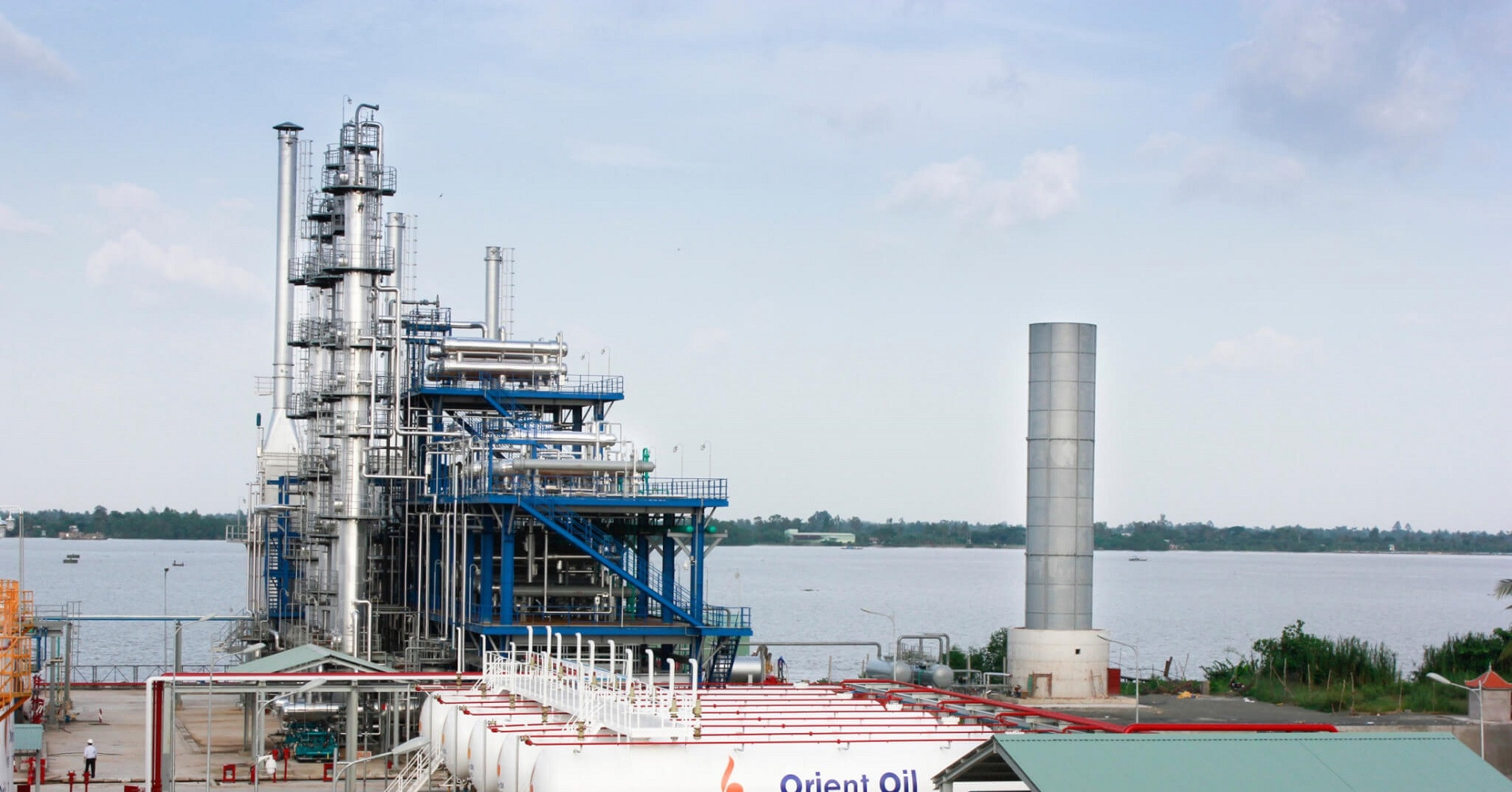
Beyond the readily marketable assets, the collateral package also encompasses substantial real estate holdings. This includes the Dong Phuong Oil and Gas Production Plant in Can Tho, a condensate processing facility with an annual capacity of 130,000 tons. Land use rights in Can Tho, covering 11,207.5 square meters of industrial land leased until June 24, 2059, are also part of the offering. Further properties include land in Binh Chanh commune, Ho Chi Minh City (areas of 1,635 m2 and 6,259.6 m2), and Thai My commune, Ho Chi Minh City (areas of 6,956.5 m2 and 11,795.7 m2). These land holdings suggest a significant property portfolio underpinning the company’s operations and financial standing.
Recovered Assets and Previous Defaults
BIDV took possession of these assets at the end of 2023 following Dong Phuong Petroleum’s failure to meet its debt repayment obligations. This recovery process underscores the bank’s proactive approach to managing risk and protecting its assets. The scale of the collateral suggests a substantial initial investment in infrastructure and land, reflecting the company’s ambitions within the Vietnamese petroleum market. The auction represents a critical step in BIDV’s efforts to recoup its losses and mitigate the financial impact of the default.
Broader Implications for Vietnam’s Energy Sector
The auction of Dong Phuong Petroleum’s debt comes at a time of evolving dynamics within Vietnam’s energy sector. The country is increasingly focused on diversifying its energy sources and reducing its reliance on imported fossil fuels. Yet, domestic oil and gas companies continue to play a vital role in meeting the nation’s energy demands. The financial difficulties faced by Dong Phuong Petroleum highlight the vulnerabilities within the sector and the importance of sound financial management. The outcome of the auction could influence future investment decisions and potentially lead to consolidation within the industry.
the case has drawn attention due to the involvement of Nguyen Thanh Tung, a former chairman of Dong Phuong Petroleum, who has been implicated in a separate, large-scale financial scandal involving the SCB Bank. According to reports from the Supreme People’s Procuracy, Tung allegedly caused over 850 billion VND in damages to SCB. This connection adds another layer of complexity to the situation and raises questions about corporate governance and financial oversight within the Vietnamese business environment. The legal proceedings related to this case are ongoing and could have broader implications for the regulatory framework governing the financial sector.
The Role of BIDV and the Auction Process
BIDV, one of Vietnam’s largest state-owned commercial banks, is actively managing the auction process to maximize recovery of the outstanding debt. The bank has engaged a valuation firm to assess the worth of the collateral and establish a fair starting price. The auction is expected to be competitive, attracting interest from both domestic and international investors seeking opportunities in Vietnam’s energy sector. The bank’s handling of this case will be closely watched by other lenders and investors, as it sets a precedent for dealing with distressed assets in the Vietnamese market.
The initial estimated value of the debt, as of December 26, 2025, is 1.353 trillion VND, broken down into 783.676 billion VND in principal and 569.695 billion VND in accrued interest. This figure provides a benchmark for potential bidders, although the final sale price will depend on market conditions and the attractiveness of the collateral package. The auction process is expected to be transparent and compliant with Vietnamese regulations, ensuring a fair and equitable outcome for all stakeholders.
The auction of Dong Phuong Petroleum’s debt represents a significant event in Vietnam’s financial landscape. It underscores the challenges faced by businesses in a dynamic economic environment and the importance of prudent risk management. The outcome of the auction will not only impact BIDV’s financial performance but also shape the future of Dong Phuong Petroleum and potentially influence the broader trajectory of Vietnam’s energy sector. Further updates on the auction process and the legal proceedings involving Nguyen Thanh Tung are expected in the coming months.
The next key development to watch will be the announcement of the selected auction house and the official valuation of the assets. BIDV is expected to release further details regarding the auction timeline and procedures in the near future. We encourage readers to share their thoughts on this developing story and its potential implications for the Vietnamese economy in the comments below.
Keep reading