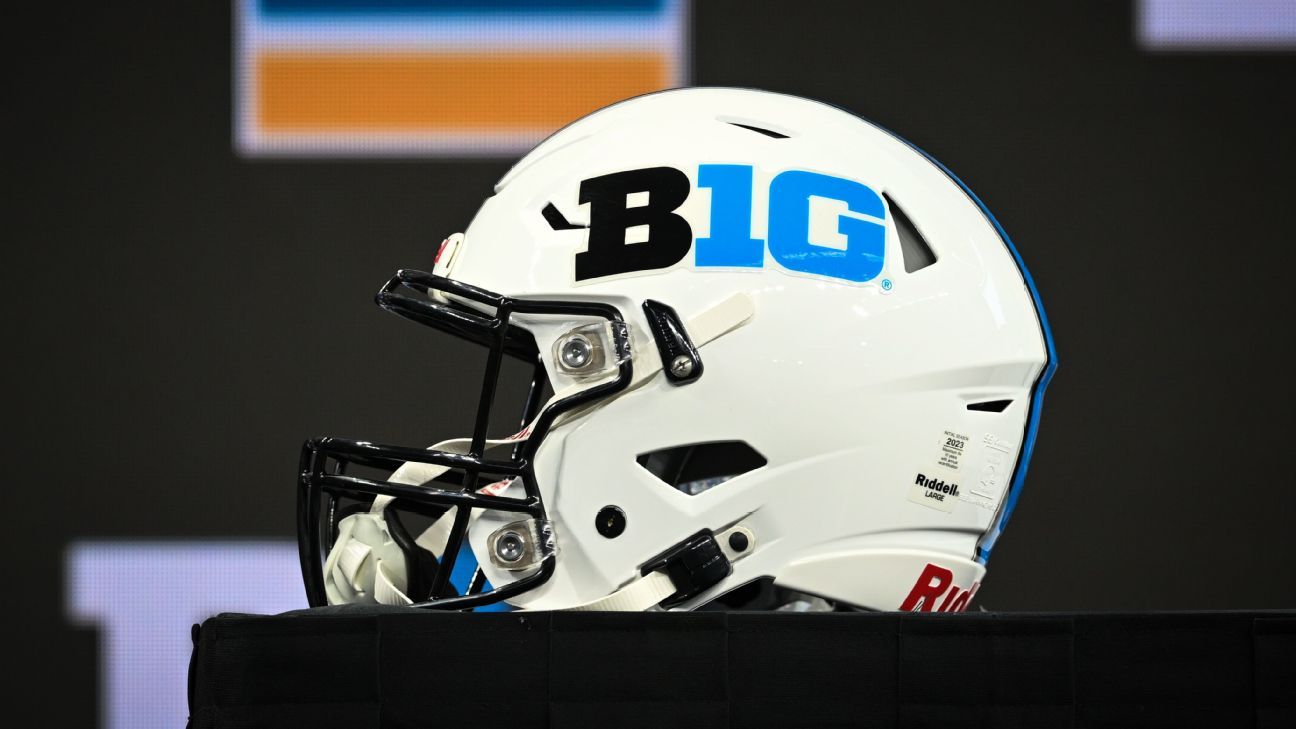
Big Ten Faces Internal Opposition to Landmark $100M+ Investment Deal with UC Pension Fund
The Big Ten Conference is navigating a contentious debate over a proposed investment deal with the University of California pension fund, a move designed to inject significant capital into its member institutions. While touted as a solution to financial pressures and a means of bolstering the conference’s future, the deal is facing strong resistance from within, especially from the University of Michigan’s Board of Regents, raising questions about its ultimate viability and the long-term implications for college athletics.
The Deal: A Deep Dive
The proposed framework would see the UC pension fund acquire a 10% stake in Big Ten Enterprises, the conference’s media and commercial arm, in exchange for a minimum of $100 million – and potentially upwards of $150 million – for each of the league’s 18 schools. The remaining equity would be distributed amongst the schools and the conference office, with a slight weighting favoring the Big Ten’s most prominent athletic programs (likely less than a percentage point difference). A tiered payment structure is anticipated, ensuring all schools receive a ample nine-figure sum.
Crucially, the deal is coupled with an extension of the Big Ten’s grant of rights through 2046. This extension is intended to provide long-term stability, effectively preventing further conference realignment and discouraging the formation of a potential “Super League” comprised of elite programs. The UC fund’s appeal lies in its status as a pension fund – not a private equity firm – which has resonated with some conference members wary of outside, profit-driven influence. Sources indicate the UC fund’s valuation surpassed competing bids,making it financially attractive.
Why the Controversy? Michigan Regents Voice Strong Concerns
Despite the potential benefits, the deal is encountering significant pushback, spearheaded by the University of Michigan’s Board of Regents. At a recent meeting, multiple regents publicly criticized the proposal, labeling it “shortsighted” and a “payday loan” that fails to address the fundamental issue of escalating spending within college athletics.
Regent Mark Acker highlighted a pattern of short-term revenue-generating strategies employed by the conference, pointing to four expansions as 2011. He questioned the wisdom of committing 10% of future media revenue for the next 21 years,given the unpredictable landscape of both college sports and the media industry. Acker drew parallels to the ACC’s 2013 grant of rights extension, which ultimately led to internal disputes and legal challenges.
“The ACC once thought a long-term deal was an excellent idea,” Acker stated. “Within a few years,they were suing each other.”
Further fueling the opposition, Michigan commissioned self-reliant analysis from financial institutions like Barclays, all of which reportedly “unequivocally opposed” the deal. These consultants recommended alternative strategies for addressing financial deficits and raising capital without sacrificing long-term assets.
Regent sarah Hubbard emphasized the board’s fiduciary obligation to protect the university’s assets and vowed to resist any pressure for a hasty decision. “We will not be rushed by false deadlines or pressure from those that do not hold the fiduciary responsibilities we do,” she asserted.
Regent Jordan Bernstein echoed these concerns, criticizing the “contrived urgency” surrounding the deal and characterizing it as “reckless.” He underscored the board’s duty to safeguard the university’s future, not merely address present financial needs.
The Underlying Financial Pressures Driving the Deal
The urgency behind the proposed investment stems from growing financial pressures faced by many Big ten schools.Increased costs associated with new stadium construction,facility upgrades,and – crucially – direct revenue payments to student-athletes (currently $20.5 million annually per school and projected to rise) are straining budgets.
Recent financial reports illustrate this strain:
* Illinois: Dedicated 11.8% ($20 million) of its expenditures to debt repayment in 2023-24.
* Ohio State: Allocated 11.5% ($33.7 million) of its budget to debt service.
These figures underscore the need for immediate financial relief for several institutions. The infusion of capital from the UC pension fund is seen by proponents as a vital lifeline.
The Path Forward: Unanimity and Uncertainty
The Big Ten maintains its commitment to “modernizing operations, strengthening conference stability, preserving Olympic and women’s sports, and enhancing the student-athlete experience.” Conference leadership emphasizes that the UC fund option aligns with these objectives. however, the deal’s fate remains uncertain.
Whether unanimous support can be secured from the Big Ten’s presidents and chancellors is currently unknown. The strong opposition from Michigan, a historically influential member of the conference, presents a significant hurdle.
Related reading