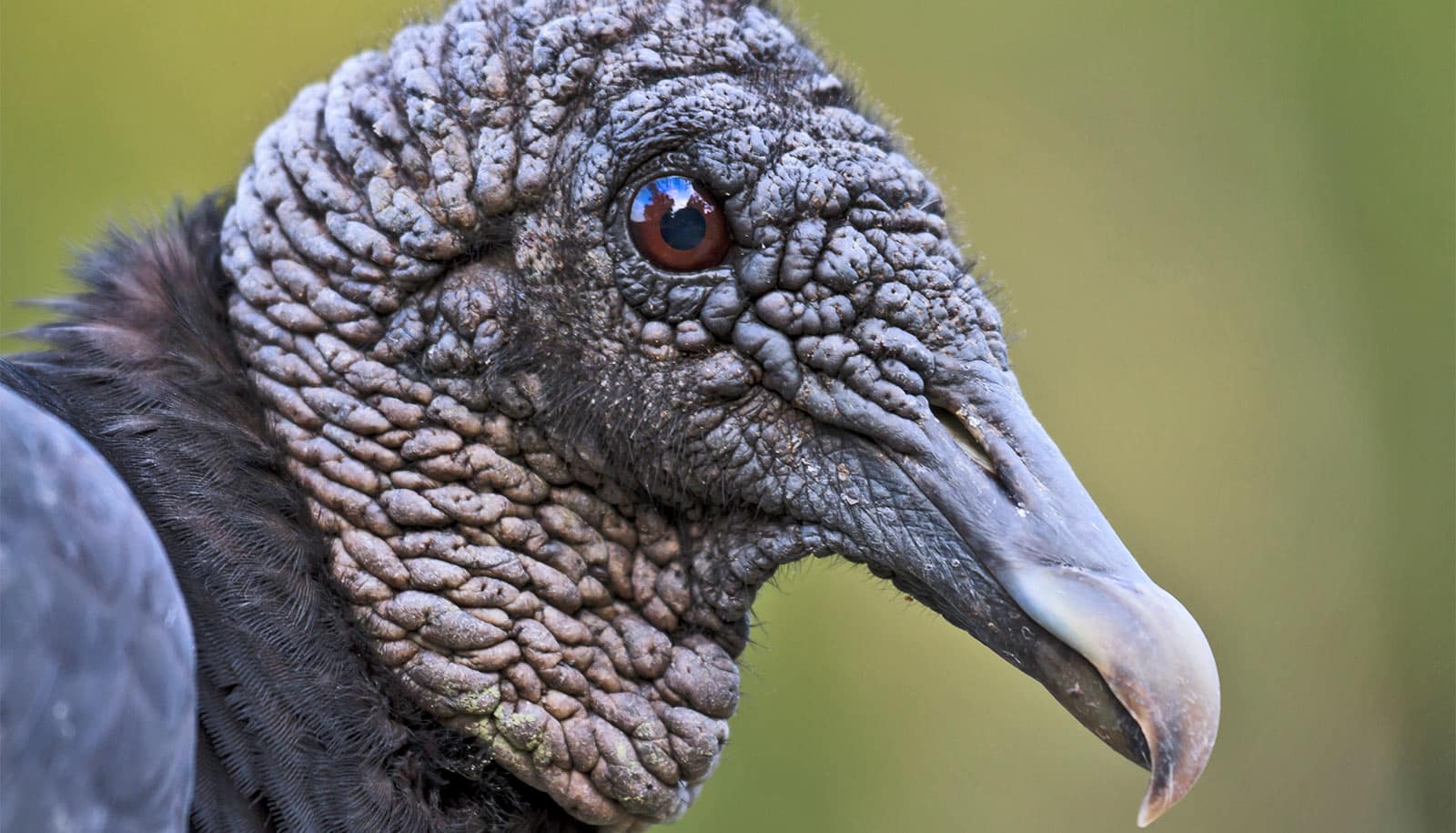
The highly pathogenic avian influenza, commonly known as bird flu, is causing significant mortality among black vultures across the United States, according to a new study. Researchers at the University of Georgia (UGA) have found that over 84% of deceased black vultures examined tested positive for the H5N1 virus, raising concerns about the ecological impact and potential for viral mutation. This surge in cases highlights the vulnerability of scavenging birds to the virus and the potential for sustained transmission, even outside of typical bird flu seasons.
The findings, published in Scientific Reports, underscore the critical role black vultures play in ecosystems and the potential consequences of their decline. Black vultures are efficient scavengers, consuming carrion and helping to prevent the spread of disease. Still, their feeding habits also create them particularly susceptible to contracting and spreading avian influenza. The study reveals a concerning pattern: vultures consuming carcasses of infected birds are perpetuating a year-round cycle of disease within their population. This continuous exposure increases the opportunities for the virus to mutate, potentially leading to more virulent strains that could threaten other species, including humans.
Black Vulture Mortality and H5N1 Prevalence
The UGA research team analyzed 134 dead black vultures collected from seven states – the specific states were not detailed in available sources – between 2022, and 2023. The high percentage of positive tests – 84% – indicates a widespread outbreak and a significant impact on the black vulture population. Nicole Nemeth, lead author of the study and head of UGA’s Southeastern Cooperative Wildlife Disease Study’s research and diagnostic service, explained that the observed mortality is likely just a fraction of the total toll. “These birds may represent tens or hundreds of thousands of black vultures,” she stated, emphasizing the scale of the problem. Nemeth is also an associate professor in UGA’s College of Veterinary Medicine.
David Stallknecht, a co-author of the study and a professor emeritus of wildlife diseases and population health at UGA, further elaborated on the implications. “Here’s just a portion of the population that dies from the virus,” he said, “And the portion that dies is just part of the bigger picture.” The researchers acknowledge that the actual number of affected vultures is likely much higher, as not all deaths are reported or investigated. The study’s findings are particularly alarming given the ecological importance of vultures.
Ecological Implications of Vulture Decline
Black vultures play a vital role in maintaining ecosystem health by removing carrion, which helps to prevent the spread of diseases like anthrax and botulism. In areas where vulture populations have declined, an increase in carrion accumulation has been linked to a rise in diseases affecting both wildlife and humans. As Nemeth explained, “In areas where vulture populations have been diminished, there are a lot more dead animals left in the landscape, which actually has been shown to contribute to increased diseases in people, wildlife, and domestic animals.” This highlights the interconnectedness of ecosystems and the far-reaching consequences of wildlife disease outbreaks.
While the US black vulture population is currently considered substantial, global vulture populations are facing numerous threats, including habitat loss, poisoning, and persecution. The added pressure from avian influenza could exacerbate these existing challenges. The researchers emphasize that the current situation is particularly concerning for endangered vulture species, where even a small number of deaths can have a devastating impact. For example, a 2023 outbreak of bird flu in California condors resulted in the deaths of at least 20 birds, representing a significant loss for a population of fewer than 600 individuals, roughly a third of which are held in captivity.
Viral Mutation and the Threat to Other Species
The sustained transmission of avian influenza within the black vulture population raises concerns about the potential for viral mutation. Rebecca Poulson, a co-author of the study and an assistant professor of wildlife diseases and virology, explained the complexity of the situation. “Avian influenza is incredibly diverse. These highly pathogenic viruses continue to circulate and mix up, and it’s creating a huge potential diversity of different viruses, many of which wildlife species in North America may not have seen before.” This increased diversity increases the risk of the virus evolving into a more virulent form that could affect a wider range of species, including mammals and potentially humans.
While there is currently no evidence of avian influenza transmission from vultures to humans, the possibility remains a concern. The virus has already been detected in other mammals, including dairy cows, house cats, dolphins, and bears, prompting ongoing surveillance and research. The researchers emphasize the need for continued monitoring of avian influenza viruses in wildlife to track their evolution and assess the potential risks to public health. The Centers for Disease Control and Prevention (CDC) provides regular updates on avian influenza outbreaks and risk assessments on their website: https://www.cdc.gov/flu/avianflu/.
Survival and Future Outlook
Despite the high mortality rate, previous research suggests that approximately half of the vultures infected with bird flu survive. Scientists have detected antibodies in surviving birds, indicating that they have developed some level of immunity to future outbreaks. Stallknecht noted that this survival rate suggests the virus is highly transmissible within these populations, but also offers a glimmer of hope for the species’ long-term resilience. “That means that the virus is incredibly transmissible in these populations,” he said, “But from a conservation standpoint, it means there’s survival as well.”
However, the researchers caution that the situation remains precarious, particularly for vulnerable species. The ongoing circulation of avian influenza viruses and the potential for mutation necessitate continued vigilance and proactive conservation efforts. Monitoring vulture populations, implementing biosecurity measures to prevent the spread of the virus, and supporting research into avian influenza are crucial steps in mitigating the risks. The United States Department of Agriculture (USDA) provides information on avian influenza prevention and control: https://www.aphis.usda.gov/aphis/en/newsroom/stakeholder-update/avian-influenza-outbreak.
Key Takeaways
- High Mortality Rate: Over 84% of deceased black vultures tested positive for H5N1 avian influenza.
- Ecological Impact: Vulture declines can lead to increased disease transmission in wildlife and humans.
- Viral Mutation Risk: Sustained transmission increases the potential for the virus to mutate and become more virulent.
- Species Vulnerability: Endangered vulture species are particularly at risk from avian influenza outbreaks.
The ongoing avian influenza outbreak poses a significant threat to black vulture populations and highlights the importance of wildlife disease surveillance and conservation efforts. As researchers continue to monitor the virus and its impact on wildlife, We see crucial to remain vigilant and proactive in protecting these ecologically key birds. Further research is needed to understand the long-term consequences of avian influenza on vulture populations and to develop effective strategies for mitigating the risks.
The situation remains dynamic, with ongoing monitoring of avian influenza cases in both wild birds and domestic poultry. The USDA and CDC continue to provide updates and guidance on the outbreak. Readers are encouraged to stay informed about the latest developments and to report any suspected cases of avian influenza to local wildlife authorities. Share your thoughts and concerns about this critical issue in the comments below.
Worth a look