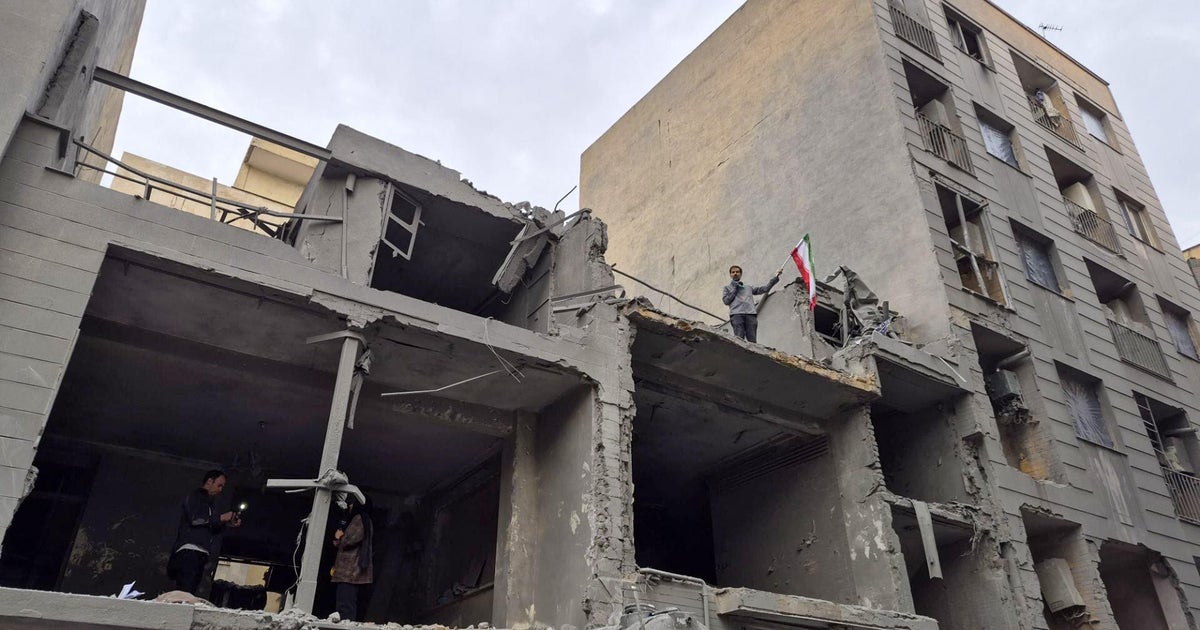
London, United Kingdom – In a significant escalation of tensions in the Middle East, Israel has confirmed the targeted killings of two senior Iranian figures: Ali Larijani, head of Iran’s Supreme National Security Council, and Gholamreza Soleimani, commander of the Basij paramilitary force. The strikes, carried out overnight in Tehran, represent a bold move by Israel and have prompted international concern and condemnation, even as allies rebuffed a call from former President Trump for assistance in securing the Strait of Hormuz.
Israeli Defense Minister Israel Katz stated that the operation was a direct response to ongoing Iranian aggression and a continuation of efforts to dismantle what Israel views as a terror network. The killings arrive amidst a backdrop of heightened regional instability, fueled by the ongoing conflict in Gaza and broader concerns over Iran’s nuclear program and support for proxy groups across the region. This latest action underscores the increasingly direct confrontation between Israel and Iran, operating largely in the shadows until now. The timing of these strikes, and the explicit confirmation by Israeli officials, marks a departure from previous policy and signals a willingness to publicly take more aggressive action against Iranian leadership.
Targeted Killings and Iranian Response
According to statements released by the Israel Defense Forces (IDF), Gholamreza Soleimani was eliminated due to his role in leading the Basij unit, which has been accused of widespread human rights abuses and the violent suppression of protests within Iran. The IDF alleges that under Soleimani’s command, the Basij employed “severe violence, widespread arrests, and the use of force against civilian demonstrators” during anti-government protests that swept across Iran in January. The Basij, a volunteer militia, is a key component of Iran’s internal security apparatus and is known for its unwavering loyalty to the ruling clerical establishment.
Ali Larijani, a veteran figure in the Iranian regime, held a pivotal position on the Supreme National Security Council, responsible for formulating and implementing Iran’s national security policies. His elimination represents a significant blow to the Iranian leadership structure. Until recently, Larijani was among the most senior leaders still alive in Iran, and had been a defiant voice in the face of international pressure. He reportedly warned just a week prior to his death, in a message directed at former President Trump, that the Iranian people “do not fear your empty threats. even those greater than you have failed to erase them… so beware lest you be the ones who disappear.”
Prime Minister Benjamin Netanyahu’s office confirmed the operation with a social media post stating, “Prime Minister Benjamin Netanyahu orders the elimination of senior Iranian regime officials.” This public acknowledgement of the strikes is a notable shift in Israel’s approach, traditionally characterized by ambiguity regarding such operations. The Foundation for Defense of Democracies has described Larijani as a key architect behind the violent suppression of protests in Iran.
International Reactions and the Strait of Hormuz
The killings have drawn swift condemnation from Iran, with state media confirming the deaths of both Larijani and Soleimani. Iran’s response is expected to be significant, though the nature and timing of that response remain uncertain. Analysts suggest potential retaliatory actions could include attacks on Israeli interests in the region, increased support for proxy groups, or further escalation of Iran’s nuclear program. The situation is further complicated by the ongoing conflict in Gaza and the broader geopolitical landscape of the Middle East.
Adding another layer of complexity, former U.S. President Donald Trump reportedly called for international assistance in securing the Strait of Hormuz, a vital waterway for global oil supplies. However, this call was largely rejected by key allies, highlighting the lack of consensus on how to address the escalating tensions in the region. The Strait of Hormuz, located between Iran and Oman, is a chokepoint for approximately 20% of the world’s oil supply, making its security paramount to global energy markets. Any disruption to shipping through the Strait could have significant economic consequences.
The Strategic Importance of the Strait of Hormuz
The Strait of Hormuz has been a focal point of geopolitical tension for decades. Iran has repeatedly threatened to close the Strait in response to sanctions or military action against it. While Iran lacks the naval capacity to completely block the Strait, it could disrupt shipping through the use of mines, swift attack craft, or anti-ship missiles. The United States Navy maintains a significant presence in the region to ensure the free flow of commerce through the Strait, and has conducted joint exercises with regional partners to enhance maritime security. The potential for miscalculation or escalation in the Strait remains a major concern.
The rejection of Trump’s call for assistance underscores the diverging views among international actors regarding the best approach to de-escalate the situation. Many countries favor a diplomatic solution and are wary of further military intervention in the region. The European Union has called for restraint and urged all parties to avoid actions that could further escalate tensions. China, a major importer of Iranian oil, has also expressed concern over the situation and called for a peaceful resolution.
Implications for Regional Stability
The targeted killings of Larijani and Soleimani represent a significant escalation in the covert war between Israel and Iran. This action is likely to embolden hardliners within Iran and could lead to a more aggressive foreign policy. It also raises the risk of a wider regional conflict, potentially drawing in other actors such as the United States, Saudi Arabia, and Hezbollah. The situation is further complicated by the ongoing conflict in Gaza, which has already heightened tensions across the region.
Analysts suggest that Israel’s decision to publicly acknowledge the strikes is intended to send a strong message to Iran and deter further aggression. However, it also carries the risk of provoking a retaliatory response. The coming days and weeks will be critical in determining whether the situation can be contained or whether it will spiral into a full-scale conflict. The international community will be closely monitoring the situation and working to prevent further escalation.
Potential Scenarios and Risks
Several potential scenarios could unfold in the wake of these killings. Iran could launch a direct military attack on Israel, though What we have is considered unlikely due to Israel’s superior military capabilities. More likely, Iran could retaliate through its proxy groups in Lebanon, Syria, Iraq, and Yemen. These groups could launch attacks on Israeli or U.S. Interests in the region, potentially leading to a broader conflict. Another possibility is that Iran could accelerate its nuclear program, further increasing regional tensions. The risk of miscalculation or accidental escalation is also high, given the complex and volatile nature of the region.
The economic implications of the escalating tensions are also significant. Oil prices have already risen in response to the news, and further disruptions to oil supplies could have a negative impact on the global economy. The conflict could also disrupt trade routes and investment flows, further exacerbating economic instability. The long-term consequences of the escalating tensions are uncertain, but they are likely to be far-reaching.
The international community faces a hard challenge in navigating this complex situation. A diplomatic solution is urgently needed to de-escalate tensions and prevent a wider conflict. This will require a concerted effort from all parties involved, including Israel, Iran, the United States, and regional powers. The stakes are high, and the consequences of failure could be catastrophic.
The next key development to watch will be Iran’s official response to the killings, expected within the coming days. International observers will also be closely monitoring activity in the Strait of Hormuz for any signs of disruption. Continued diplomatic efforts, led by the United Nations and key regional actors, will be crucial in preventing further escalation. We encourage readers to share their thoughts and perspectives on this critical issue in the comments below.
Keep reading