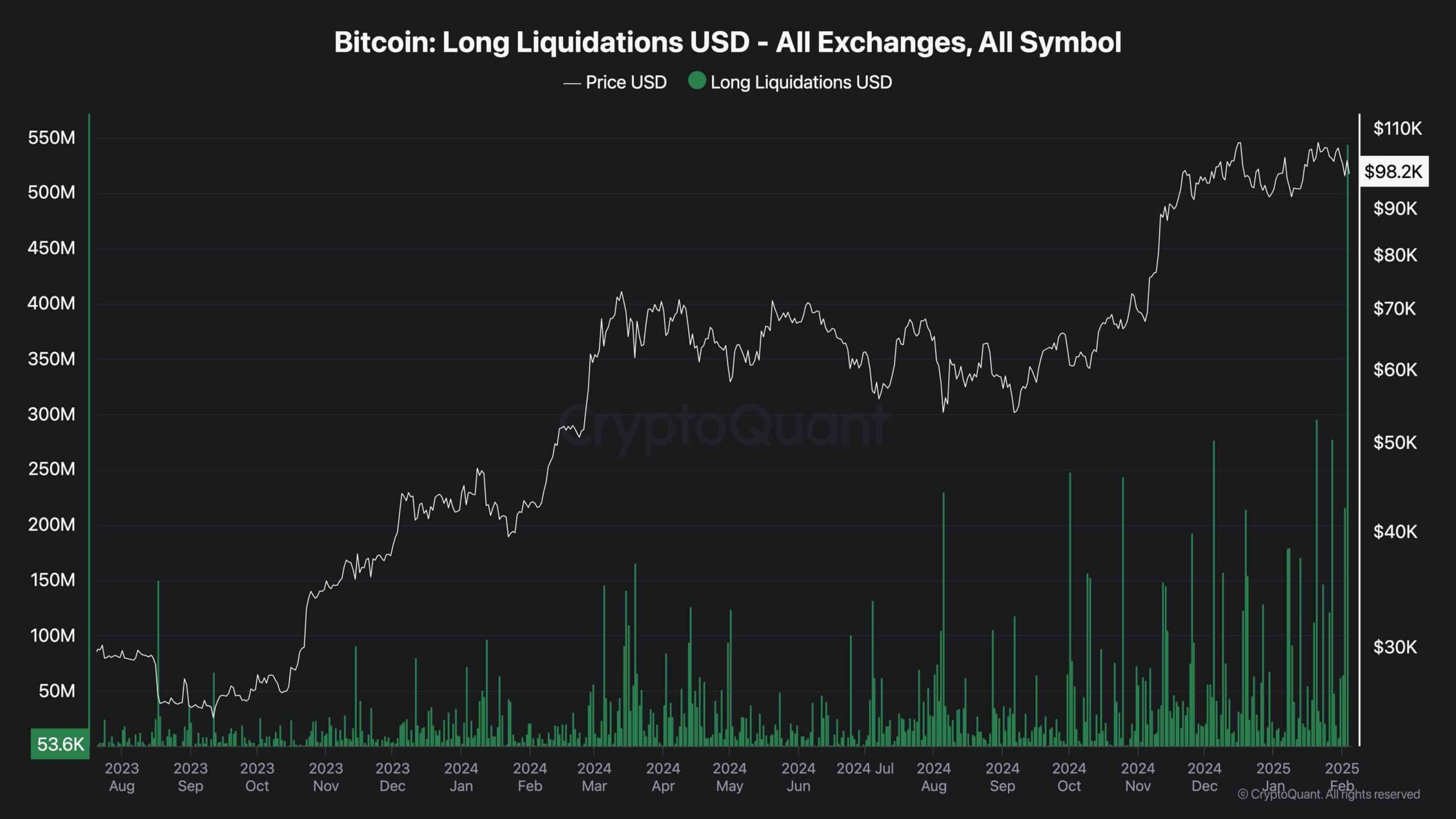
Bitcoin has maintained relative stability in recent trading sessions, holding firm around key psychological levels despite broader market fluctuations. The cryptocurrency continues to demonstrate resilience as institutional interest in Bitcoin derivatives reaches recent milestones, signaling growing maturity in the digital asset ecosystem.
According to real-time data from financial markets, Bitcoin was trading at approximately $77,510.30, reflecting a marginal decline of 0.01% over the past 24 hours. This price level places the cryptocurrency within a narrow band following periods of heightened volatility, suggesting a phase of consolidation as market participants assess macroeconomic indicators and regulatory developments.
The stability comes amid significant growth in Bitcoin derivatives trading, particularly through regulated financial instruments. Institutional adoption of Bitcoin futures and exchange-traded products has accelerated, with several major financial institutions reporting increased exposure to cryptocurrency markets through compliant channels.
Data from leading cryptocurrency analytics platforms shows that Bitcoin’s market capitalization remains above $1.3 trillion, based on a circulating supply of approximately 20.02 million BTC. The 24-hour trading volume stands at roughly $13.67 billion, representing a healthy level of liquidity relative to its market size.
These figures indicate sustained investor interest despite price consolidation, with derivatives markets playing an increasingly important role in price discovery and risk management for institutional participants.
Institutional Derivatives Reach New Milestones
Recent reports confirm that open interest in Bitcoin futures contracts on major regulated exchanges has reached record levels. The Chicago Mercantile Exchange (CME), which launched Bitcoin futures in December 2017, reported its highest monthly average open interest in early 2026, exceeding 150,000 contracts for the first time.
Each CME Bitcoin futures contract represents 5 BTC, meaning the current open interest corresponds to over 750,000 Bitcoin under derivative exposure. This milestone reflects growing comfort among traditional financial institutions in accessing Bitcoin through regulated, cash-settled contracts that eliminate custody concerns.
Simultaneously, exchange-traded funds (ETFs) holding Bitcoin directly have seen continued inflows. Products approved by the U.S. Securities and Exchange Commission in early 2024 now collectively hold more than 900,000 BTC, according to verified filings and blockchain analysis tools.
These developments suggest a bifurcation in market participation: while retail traders remain active on spot exchanges, institutional players are increasingly utilizing derivatives and structured products to gain exposure, particularly in jurisdictions with clearer regulatory frameworks.
Market Implications and Investor Considerations
The convergence of spot market stability and rising derivatives activity carries several implications for market dynamics. Derivatives markets often serve as leading indicators, with futures pricing reflecting expectations about future spot values. The current term structure of Bitcoin futures shows a modest contango, suggesting mild bullish sentiment for medium-term delivery.

Market analysts note that increased institutional participation through derivatives can contribute to reduced volatility over time, as these participants tend to engage in more systematic, risk-managed strategies compared to speculative retail trading. However, the relationship between derivatives growth and spot market stability remains complex and subject to external shocks.
For individual investors, the expansion of regulated Bitcoin derivatives offers additional avenues for portfolio inclusion, particularly for those unable or unwilling to manage direct cryptocurrency custody. Financial advisors increasingly reference these instruments when discussing digital asset allocation within diversified portfolios.
Regulatory clarity continues to evolve, with ongoing discussions in major economies about the classification of cryptocurrencies, investor protection standards and market integrity rules for derivative products. These policy developments will likely shape the next phase of institutional adoption.
What This Means for the Broader Cryptocurrency Ecosystem
Bitcoin’s role as a benchmark asset within the cryptocurrency market means that its stability and institutional acceptance often influence sentiment across other digital assets. When Bitcoin demonstrates resilience, it tends to reduce risk-aversion across the broader crypto sector, potentially benefiting altcoins and blockchain-based projects.
The growth of Bitcoin derivatives as well contributes to the development of broader cryptocurrency financial infrastructure. Clearinghouses, margin lending platforms, and risk management systems initially built for Bitcoin are increasingly being adapted for other digital assets, creating network effects that benefit the entire ecosystem.
as traditional finance institutions become more comfortable with Bitcoin through regulated channels, it may pave the way for similar acceptance of other cryptocurrencies that meet stringent compliance, transparency, and governance standards.
Ongoing monitoring of derivatives metrics—including open interest, funding rates, and basis trading—provides valuable insights into institutional sentiment that may not be immediately visible in spot market movements alone.
Looking Ahead: Key Developments to Watch
Market participants are advised to monitor several upcoming events that could influence Bitcoin’s trajectory. The next major milestone involves the quarterly expiration of CME Bitcoin futures contracts, scheduled for the last Friday of March, June, September, and December each year. These expiration dates often coincide with increased trading activity and potential price volatility as positions are rolled or settled.

the release of monthly commitment of traders (COT) reports by the U.S. Commodity Futures Trading Commission (CFTC) provides transparency into the positioning of different trader categories in Bitcoin futures. These reports, published every Friday, offer insights into whether commercial entities, institutional investors, or speculators are driving market movements.
On the regulatory front, continued implementation of the Markets in Crypto-Assets (MiCA) framework in the European Union and ongoing deliberations in the United States regarding a potential Bitcoin ETF option market remain significant factors that could shape institutional access in the coming months.
For those seeking official updates, the CME Group provides daily settlement data and open interest statistics through its website, while the CFTC publishes COT reports with detailed breakdowns by trader type. Blockchain explorers also allow real-time verification of ETF holdings through transparent wallet addresses.
As Bitcoin continues to navigate the intersection of decentralized innovation and traditional finance, the evolution of its derivatives market serves as a barometer for broader acceptance. Current trends suggest that while short-term price movements may remain influenced by sentiment and liquidity conditions, the underlying infrastructure for institutional participation is becoming increasingly robust.
We invite readers to share their perspectives on how institutional adoption is shaping the cryptocurrency landscape. What developments do you believe will be most influential in determining Bitcoin’s role in global finance over the next year? Join the conversation in the comments below and consider sharing this article with others interested in the intersection of digital assets and traditional markets.