The diagnosis of bladder cancer relies on a comprehensive combination of clinical evaluation, laboratory testing, imaging, endoscopy, and pathologic confirmation Medscape. Óscar Rodríguez Faba, MD, a urologist and editor-in-chief of Actas Urológicas Españolas—the official scientific journal of the Spanish Association of Urology—noted that the primary objective is to confirm tumor presence, determine its extent, and define the histologic features guiding subsequent treatment. Cystoscopy remains the gold standard diagnostic test because it allows direct visualization of the bladder mucosa and identification of papillary, flat, or suspicious lesions indicative of in situ carcinoma Medscape.
Advancements in Bladder Cancer Diagnosis and Clinical Evaluation
Diagnostic capabilities have expanded with the incorporation of enhanced optical imaging techniques, such as blue-light cystoscopy and narrow-band imaging. These methods increase the detection rate of carcinoma in situ and help reduce residual disease following transurethral resection Medscape. Additional diagnostic evaluations utilized to identify and stage the disease include bladder biopsies, CT and MRI scans, and urinalysis uclahealth.org.
Clinical Trial Data Marks a New Era for Muscle-Invasive Disease
Recent findings from phase 3 clinical trials have driven significant evolution in managing muscle-invasive bladder cancer (MIBC).
Jonathan E.
Expanding Options for Non-Muscle-Invasive and Advanced Disease
The therapeutic landscape has also advanced substantially for non-muscle-invasive bladder cancer (NMIBC). Clinical studies such as POTOMAC have demonstrated significant improvements in recurrence-free survival by adding durvalumab to standard bacillus Calmette-Guérin (BCG) treatment in high-risk patients Medscape. Furthermore, trials like SunRISe-1 evaluating TAR-200, KEYNOTE-057 investigating pembrolizumab, and studies assessing nadofaragene firadenovec have broadened options for patients with BCG-unresponsive NMIBC Medscape.
For muscle-invasive disease, the NIAGARA trial showed that adding durvalumab to neoadjuvant chemotherapy followed by adjuvant therapy improves event-free and overall survival, reinforcing the role of perioperative immunotherapy Medscape. Additionally, the EV-302/KEYNOTE-A39 study established the combination of enfortumab vedotin and pembrolizumab as the standard first-line treatment for patients with locally advanced or metastatic disease Medscape.
Surgical Interventions and Precision-Based Care
Surgery remains a principal treatment modality for bladder cancer, with procedures selected based on tumor location and invasion depth cancer.gov. Common surgical approaches include:
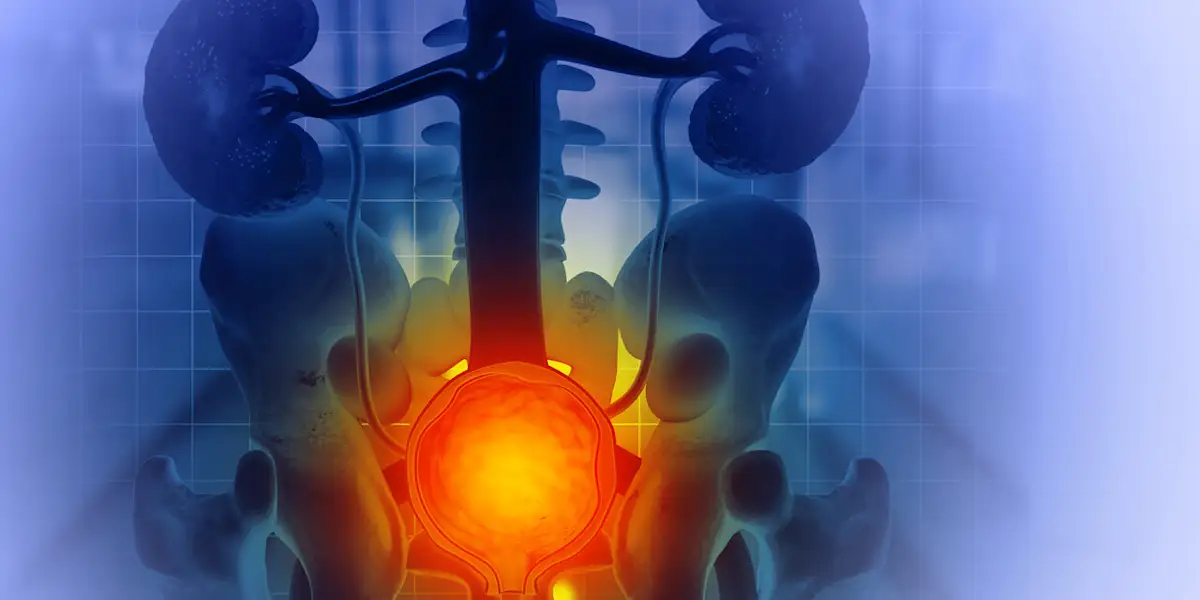
- Transurethral Resection (TUR) with Fulguration: Involves inserting a cystoscope through the urethra to remove cancer or burn tumors away using high-energy electricity cancer.gov.
- Partial Cystectomy: Removes part of the bladder for patients with low-grade tumors limited to a single area, allowing normal urination after recovery cancer.gov.
- Radical Cystectomy with Urinary Diversion: Removes the entire bladder alongside nearby lymph nodes and organs when muscle layers are invaded, followed by urinary diversion procedures such as an ileal conduit, continent diversion, or neobladder reconstruction cancer.gov, uclahealth.org.
These surgical and therapeutic developments reflect a transition toward a multidisciplinary and precision-based approach Medscape. Improvements in the molecular characterization of urothelial carcinoma have enabled clinicians to identify distinct molecular subtypes with specific biologic, immunologic, and prognostic profiles, ultimately aiding in the selection of targeted therapies, chemotherapy, and immunotherapy Medscape.
Related reading