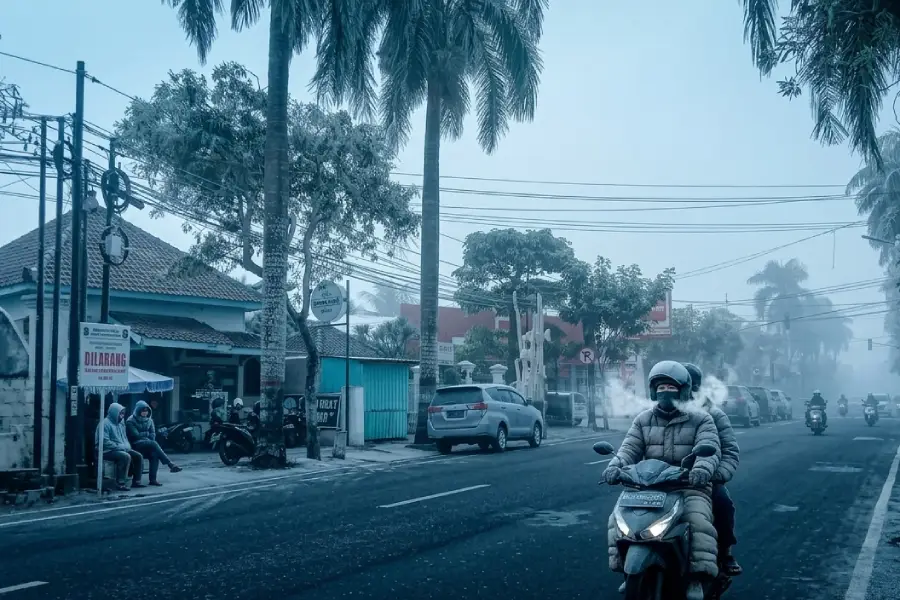
Residents in Blitar, East Java, are experiencing a notable dip in nighttime and early morning temperatures, with local conditions recently dropping to approximately 18 degrees Celsius. This shift, characterized by cooler air and increased wind velocity, has prompted health officials to emphasize the importance of maintaining immune resilience to mitigate the risk of seasonal respiratory illnesses, which often fluctuate during transitional weather periods.
As a physician, I have observed that rapid fluctuations in ambient temperature can place additional stress on the human body, particularly the mucosal membranes of the respiratory tract. When the body is subjected to colder air, the primary defense mechanisms—such as the movement of cilia in the nose and the regulation of core body temperature—must work more efficiently. According to guidance from the Indonesian Agency for Meteorology, Climatology, and Geophysics (BMKG), such temperature drops during the dry season are often influenced by the movement of air masses from the Australian continent, leading to clearer skies and faster heat loss during the night.
Understanding the Impact of Cooler Temperatures
The drop to 18 degrees Celsius is a significant departure from the typical tropical heat experienced in East Java. While this temperature is not “cold” by European standards, the physiological impact on a population acclimated to a tropical climate is distinct. The sudden change can lead to increased cases of common colds, allergic rhinitis, and other minor viral infections.

When temperatures fall, human immune function is not necessarily “weakened” directly by the cold, but the environment becomes more favorable for certain viral pathogens to remain viable. Furthermore, cold, dry air can dry out the mucous membranes in the respiratory system, making it easier for pathogens to bypass these physical barriers. Staying hydrated and maintaining a stable core temperature are the most effective non-pharmacological interventions during these periods.
Practical Strategies for Immune Support
Maintaining health during periods of volatile weather requires a proactive approach to lifestyle and nutrition. Based on standard public health recommendations for managing seasonal environmental changes, here are eight evidence-based strategies to support your immune system:
- Prioritize Nutrient-Dense Foods: Focus on a balanced diet rich in vitamins C and D, zinc, and antioxidants. Fresh fruits, vegetables, and lean proteins provide the necessary building blocks for immune cell production.
- Maintain Adequate Hydration: Even when the weather is cooler and thirst cues may decrease, consuming sufficient water is essential for maintaining the moisture levels of your respiratory tract.
- Ensure Consistent Sleep Hygiene: Sleep is the period when the body performs essential repair work. Aim for 7–9 hours of quality sleep to allow the immune system to regulate cytokine production.
- Layer Clothing Appropriately: Utilizing layers allows the body to adjust to temperature swings between the early morning chill and the midday heat, preventing the body from expending unnecessary energy on thermoregulation.
- Engage in Regular, Moderate Exercise: Physical activity boosts circulation and helps immune cells move more freely throughout the body, though it is important to avoid overexertion during periods of extreme fatigue.
- Manage Stress Levels: Chronic stress elevates cortisol, which can suppress immune function over time. Practices such as mindfulness or structured downtime can mitigate these effects.
- Practice Good Hand Hygiene: Regular handwashing remains the most effective method for preventing the transmission of common viruses that circulate more freely when people congregate indoors to escape the cold.
- Stay Informed via Official Channels: Monitor weather updates from the BMKG to anticipate significant shifts in climate and adjust your daily activities accordingly.
When to Seek Medical Attention
While most minor ailments associated with temperature changes resolve with rest and supportive care, it is important to recognize when symptoms require professional medical evaluation. If you experience persistent high fever, difficulty breathing, or symptoms that worsen beyond five to seven days, contact your local healthcare provider or visit the nearest Puskesmas (Community Health Center). Early intervention is key to preventing secondary bacterial infections.
For those living in Blitar, it is recommended to keep a close watch on local weather bulletins. The transition between seasons can be unpredictable, and being prepared with appropriate clothing and a consistent health routine is the best defense against seasonal illness. I encourage readers to share their own experiences with managing these temperature shifts in the comments section below, as community awareness is a vital component of public health.