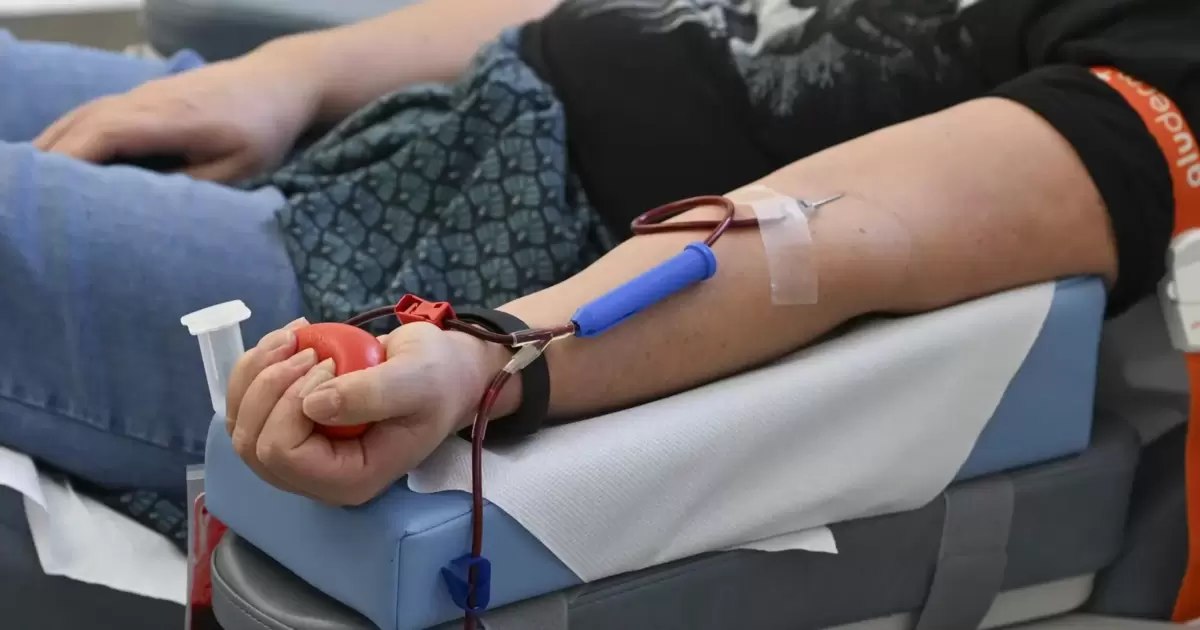
Residents of Neuhofen and Limburgerhof have the opportunity to contribute to regional healthcare supplies this week, as local organizations host scheduled blood donation drives. These events serve as a critical link in the supply chain for hospitals and emergency services, providing the necessary blood products for surgeries, cancer treatments, and trauma care across the region.
For those living in or near the Rhein-Pfalz-Kreis area, participating in these sessions is a straightforward way to support community health. Blood donation remains a voluntary act of public service, essential for maintaining adequate inventories of blood components, which have a limited shelf life and must be replenished consistently.
Understanding the Importance of Local Blood Drives
Blood donations are managed through a coordinated effort between national organizations and regional volunteer structures. In Germany, the primary entity responsible for the collection and distribution of blood products is the German Red Cross (Deutsches Rotes Kreuz, or DRK) Blood Donation Service, which operates under strict safety guidelines set by the Paul-Ehrlich-Institut (PEI), the federal agency responsible for vaccines and biomedicines. According to the Paul-Ehrlich-Institut, all blood donations undergo rigorous testing to ensure the safety of both the donor and the recipient, including screening for infectious diseases and monitoring for blood-borne pathogens.
For donors, the process typically takes about an hour, including registration, a brief medical history questionnaire, and a physical check-up to confirm eligibility. The actual donation process usually lasts between 5 and 10 minutes. Because blood components like platelets have a shelf life of only a few days, constant participation from the public is required to meet the daily demand in local clinics and hospitals.
How to Participate in Neuhofen and Limburgerhof
To ensure a smooth experience, organizers often request that potential donors schedule an appointment in advance. This helps manage facility capacity and reduces wait times. Interested individuals can verify specific local dates, times, and venue requirements through the official DRK-Blutspendedienst West portal, which serves the Rhineland-Palatinate region. This digital platform allows users to filter by zip code or town name to find the most convenient location.

When preparing to donate, it is essential to be in good general health. Donors should be well-hydrated and have eaten a balanced meal prior to their appointment. Standard requirements generally include being at least 18 years old and meeting specific weight thresholds. Individuals who have recently traveled, undergone surgery, or taken certain medications should consult the official health screening guidelines provided by the Federal Ministry of Health to confirm their eligibility before arriving.
Safety and Medical Standards
The medical oversight of blood donation in Germany is governed by the Transfusion Act (Transfusionsgesetz), which mandates high standards for donor selection and blood processing. This legal framework ensures that the blood supply remains safe and reliable. By centralizing these efforts, health authorities can respond effectively to fluctuations in supply and demand, ensuring that medical facilities have access to life-saving blood products when needed.
For residents, these local drives are more than just a medical procedure; they represent a vital component of the local healthcare infrastructure. Whether you are a first-time donor or a regular contributor, your participation helps ensure that neighbors in need of surgical intervention or chronic disease management receive the care they require.
The next steps for those interested in contributing are to check the official regional schedules and confirm their appointment online. If you have questions about your eligibility or the donation process, the DRK provides a dedicated support line for donor inquiries. We encourage our readers to share this information with friends and family in the community to help boost participation in these upcoming sessions.
Related reading